
Satisfies 1 requirement
3 Axles Heating Insulation Tank Asphalt Bitumen Tanker Semi Trailer
US$6,000.00-10,000.00
1 Piece(MOQ)

I have found results from10000+products and4000+suppliers aboutAsphalt tank trailer


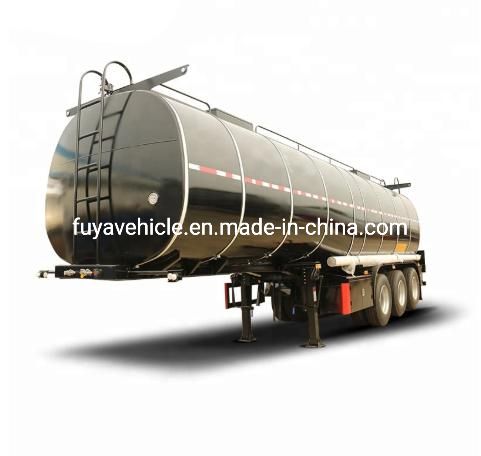


When procuring an asphalt tank trailer, the most critical factor is thermal insulation performance. Ensure the tank features a high-density rock wool or glass wool insulation layer (typically 80mm-100mm thick) protected by a stainless steel or aluminum outer shell to minimize heat loss. Additionally, verify the heating system type, such as diesel burners with heating pipes or thermal oil circulation, to ensure the bitumen remains in a liquid state during long-distance transport. The tank body should be constructed from Q235B or high-tensile carbon steel to withstand high temperatures and pressure.
As these trailers carry hazardous, high-temperature materials, they must adhere to strict safety standards. Ensure the manufacturer provides ADR certification (for European standards) or meets ASME standards for pressure vessels. For the chassis and overall vehicle safety, look for ISO 9001 certification, CCC (China Compulsory Certification), and regional requirements such as DOT (USA) or CE (Europe). Compliance with environmental regulations regarding emissions from the heating unit is also increasingly important in global markets.
Prioritize trailers equipped with anti-lock braking systems (ABS) and electronic stability control (ESC) to prevent rollovers, which are a high risk for liquid tankers. Check for internal baffles (wave-proof plates) that reduce liquid surge during transit, enhancing vehicle stability. Furthermore, inspect the discharge valve design—it should be a high-temperature resistant bottom valve with a secondary manual shut-off to prevent accidental leaks of molten asphalt.
A high-quality asphalt trailer should have accessible manholes for internal cleaning and inspection of the heating coils. Ask the supplier about the availability of replacement parts for the burner system and discharge pumps. Choosing a trailer with a self-draining tank design (sloped bottom) is essential to prevent asphalt residue from hardening inside the tank, which significantly reduces maintenance downtime and prevents cross-contamination between different bitumen grades.
To ensure transaction security, always conduct a factory audit or third-party inspection (such as SGS or BV) before the final payment. When sourcing via Made-in-China.com, utilize their secured payment and inspection services to verify that the technical specifications of the trailer match the proforma invoice. Never transfer full payment upfront; instead, use a Letter of Credit (L/C) or a staged payment plan (30% deposit, 70% after inspection and before shipment).
Due to their oversized dimensions, asphalt tank trailers are typically shipped via Ro-Ro (Roll-on/Roll-off) vessels or Bulk Cargo ships. Ro-Ro is the safest method as it prevents exposure to salt spray on deck. If you are looking to save on freight, inquire if the trailer can be disassembled (SKD - Semi-Knocked Down) to fit into a 40ft High Cube container, though this requires professional reassembly and welding at the destination, which must be factored into the Total Cost of Ownership (TCO).
Verify the HS Code (typically 871631) for asphalt tankers in your country to calculate accurate import duties and taxes. Be aware of anti-dumping duties that may apply to steel products from certain regions. Ensure the supplier provides a Certificate of Origin (CO) to take advantage of any existing Free Trade Agreements (FTA) between China and your specific country, which can significantly reduce or eliminate import tariffs.