
Satisfies 1 requirement
2 3 4 Axle 60 Ton Steel Flat Semi-Trailer 20 40 45 Feet Container Transport Chassis Sinotruk for Sale
US$3,200.00-3,800.00
1 Piece(MOQ)

I have found results from200000+products and90000+suppliers aboutContainer transport chassis


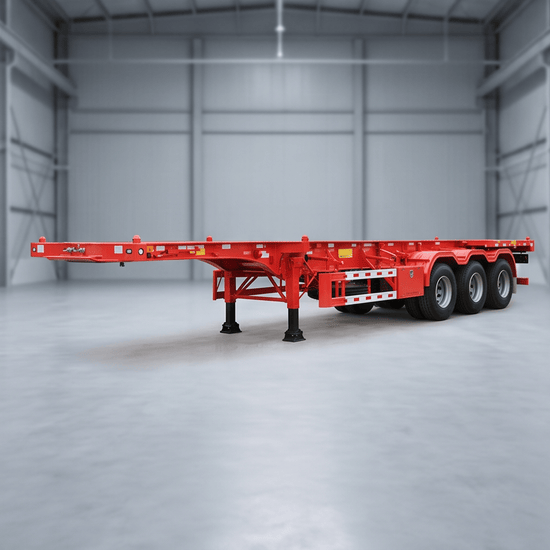


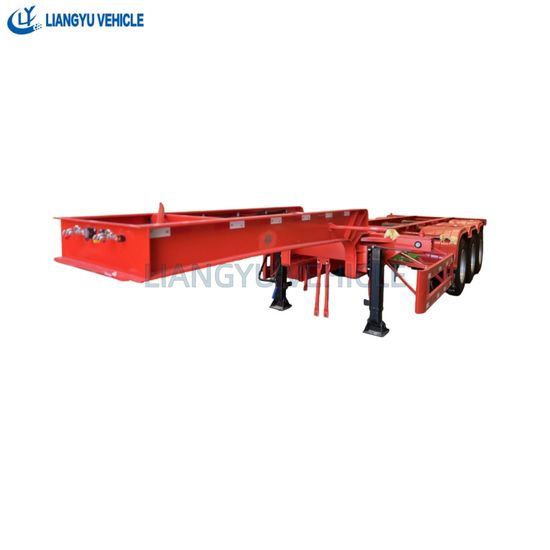


When evaluating a chassis, the main beam material is paramount; look for high-strength Q345B or T700 steel to ensure structural integrity under heavy loads. Pay close attention to the axle brand and capacity (e.g., FUWA or BPW 13-16 ton axles) and the braking system, preferably featuring WABCO relay valves and ABS for safety. Additionally, verify the twist lock quality to ensure they meet ISO standards for securing 20ft, 40ft, or 45ft containers.
Buyers must verify that the manufacturer holds ISO 9001 certification and that the specific model has CCC (China Compulsory Certification). For export to specific regions, ensure compliance with DOT (Department of Transportation) standards for the US, or ADR/CE certifications for Europe. Request documentation for welding quality (AWS standards) and paint thickness (typically ≥120μm) to prevent corrosion in maritime environments.
Selection depends on logistics needs: Gooseneck chassis are ideal for lowering the center of gravity of high-cube containers; Skeleton chassis are the lightweight standard for port-to-yard shuttling; and Extendable/Telescopic chassis offer versatility for handling multiple container sizes (20/40/45ft). For heavy-duty or off-road port conditions, a bomb cart (terminal trailer) with reinforced guides is recommended.
Prioritize chassis treated with hot-dip galvanizing or electrophoresis (KTL coating), which significantly extends the lifespan against salt-spray corrosion. Check for maintenance-free wheel ends and LED lighting systems to reduce downtime. A reputable supplier should provide a warranty of at least 12 months on the main beam and offer a clear spare parts list for wear items like brake linings and air bags.
To optimize freight, consider SKD (Semi-Knocked Down) or CKD (Completely Knocked Down) kits, which allow multiple units to fit into a single 40HQ container, reducing shipping costs by up to 40%. Alternatively, for fully assembled units, Ro-Ro (Roll-on/Roll-off) or Bulk Cargo shipping is safer for the structure but generally more expensive. Always confirm the loading plan with the supplier to prevent damage during transit.
Utilize Secured Trading Services on Made-in-China.com to protect your funds. It is highly recommended to hire a third-party inspection agency (like SGS or BV) to conduct a Pre-Shipment Inspection (PSI). This inspection should include a load-bearing test, welding ultrasonic testing, and a dimension check against the technical drawing approved during the contract phase.
Focus negotiations on component brands rather than just the total price; substituting premium axles or tires for no-name brands can lower the price but increase long-term TCO. Request a tiered pricing structure based on volume (e.g., 5, 10, or 20 units). Also, negotiate for extra wear-and-tear spare parts (seals, valves, lights) to be included in the initial container load at no extra cost.
Be aware of Anti-Dumping Duties (ADD) and Countervailing Duties (CVD) which some countries (like the US) impose on Chinese-manufactured chassis. Always check your local HS Code (typically 8716.39) classifications and import tariffs. Ensure the supplier provides a Certificate of Origin (CO) or Form E/Form F to take advantage of applicable Free Trade Agreements (FTA).