
Satisfies 1 requirement
Electric Yacht Motor Aluminium Boat Fishing Hunting
US$27,800.00-57,000.00
1 Piece(MOQ)

I have found results from50000+products and20000+suppliers aboutElectric fishing boat


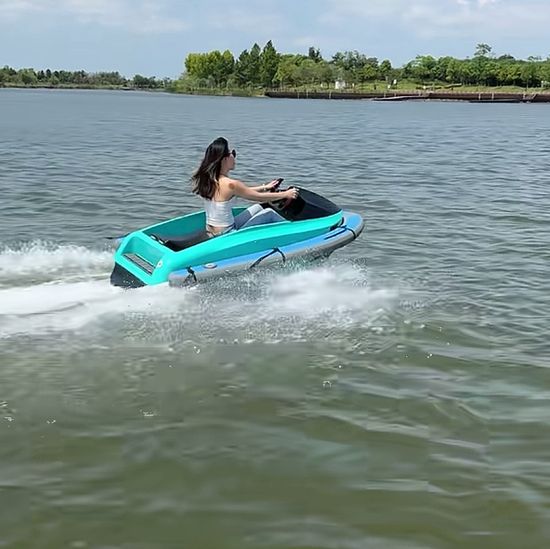


When sourcing electric fishing boats, prioritize hull material durability, typically High-Density Polyethylene (HDPE) or marine-grade aluminum, for impact resistance. The propulsion system should feature a brushless DC motor for higher efficiency and lower maintenance. Ensure the battery capacity (kWh) aligns with the intended runtime; for professional fishing, a minimum of 6-8 hours of endurance at trolling speeds is standard. Additionally, verify the IPX7 waterproof rating for all electrical components and controllers to prevent saltwater corrosion.
Buyers must ensure the product carries the CE Marking for the European market or meets ABYC (American Boat and Yacht Council) standards for North America. Specifically, look for ISO 12217 for stability and buoyancy assessment and ISO 16315 for electrical propulsion systems. For lithium-ion battery safety, the UN38.3 certification is essential for international shipping and insurance compliance.
A professional electric fishing boat should include integrated fish-finder mounts, 360-degree swivel seats, and built-in livewells with aeration systems. Check for anti-slip EVA deck flooring to ensure safety in wet conditions. For B2B buyers, look for modular deck layouts that allow for easy installation of rod holders and GPS trolling motors, providing versatility for different fishing environments.
Electric boats offer a significant reduction in Total Cost of Ownership (TCO) because they eliminate oil changes, spark plug replacements, and winterization of fuel lines. Maintenance focuses on battery health monitoring (BMS), checking sacrificial anodes for galvanic corrosion protection, and ensuring the propeller shaft is free of debris. Lithium Iron Phosphate (LiFePO4) batteries are recommended for their 2,000+ charge cycle lifespan.
The main risks involve battery transport regulations and physical damage during transit. Lithium batteries are classified as Class 9 Dangerous Goods, requiring specialized packaging and documentation. To mitigate damage, request custom steel-frame crates rather than standard wooden pallets. Ensure the supplier provides Marine Cargo Insurance covering 'All Risks' to protect against total loss or structural damage during sea freight.
Start by requesting a Technical Data Sheet (TDS) and a factory inspection video. Negotiate a staged payment plan, such as 30% deposit and 70% upon successful third-party pre-shipment inspection. For bulk orders, ask for 2-5% spare parts kits (e.g., extra propellers, fuses, and switches) to be included at no extra cost, which is more effective than a direct price discount for long-term operations.
For small fishing boats (under 4 meters), LCL (Less than Container Load) in a crate is possible, but for multiple units, 40ft High Cube (HC) containers are most economical. If the boat exceeds standard container dimensions, Flat Rack containers or Ro-Ro (Roll-on/Roll-off) shipping must be used. Always confirm the Incoterms; FOB (Free On Board) is preferred for buyers with their own freight forwarders to maintain control over local destination charges.
Prioritize Audited Suppliers on Made-in-China.com, as their facilities and business licenses have been verified by independent agencies like SGS or TÜV Rheinland. Check the supplier's export history to your specific region to ensure they are familiar with your local maritime regulations and plug/voltage standards for charging systems.