
Satisfies 1 requirement
High Borosilicate Blue Gradient Glass Cooking Pot with Two Ears for Long Heat Resistance
US$3.45-4.59
100 Pieces(MOQ)

I have found results from20000+products and7000+suppliers aboutGlass cooking pot


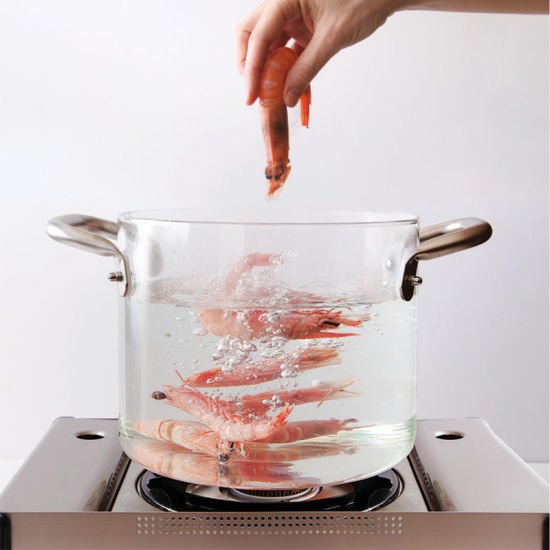


The most critical specification is the use of High Borosilicate Glass (3.3 expansion coefficient). This material is essential because it can withstand extreme temperature fluctuations (thermal shock) ranging from -20°C to 150°C or higher. Ensure the glass is lead-free, BPA-free, and non-porous to prevent chemical leaching and food odor absorption. For the lid, look for 304 stainless steel or food-grade silicone rims to ensure a secure fit and durability.
Not all glass pots are created equal. You must confirm if the product is compatible with open flames (gas stoves), electric ceramic heaters, and microwaves. If your target market uses induction cooktops, you must source pots with a magnetic conductive bottom (induction plate) attached. Always request the maximum heat resistance temperature and verify if the product is dishwasher and oven safe.
For the US market, products must meet FDA (Food and Drug Administration) standards for food contact substances. For the EU, compliance with LFGB (Lebensmittel- und Futtermittelgesetzbuch) and Regulation (EC) No 1935/2004 is mandatory. These certifications ensure the glass does not release harmful heavy metals like lead or cadmium during the cooking process. Always ask the supplier for SGS or TUV test reports.
Glass pots are ideal for stewing, boiling, and simmering because they allow for 360-degree visual monitoring of the cooking process without lifting the lid. They are highly popular for health-conscious consumers and for making herbal teas, soups, and baby food due to their chemically inert nature. Their aesthetic appeal also makes them suitable for direct table service in both residential and high-end catering environments.
Fragility is the primary risk. You should mandate 5-layer corrugated outer cartons and custom-fit EPE foam or molded pulp packaging for each unit. Request a Drop Test Report (ISTA 1A or 3A) from the supplier. On Made-in-China.com, you can prioritize suppliers who offer professional export packaging services and consider purchasing Marine Cargo Insurance to cover potential transit damage.
Focus on the yield rate and defect tolerance. Negotiate a clear AQL (Acceptable Quality Level)—typically Level II 2.5/4.0—before placing a bulk order. Discuss MOQ flexibility for customized logos or color boxes; many top-tier suppliers will lower MOQs if you use standardized glass molds. Always clarify if the quoted price includes customized packaging and labeling to avoid hidden costs.
Utilize the Secured Trading Service on Made-in-China.com to ensure payments are only released after the goods are shipped. Conduct a factory audit or hire a third-party inspector to verify the kiln capacity and quality control process. Check the supplier's Audit Reports on the platform to confirm their production history and export experience to your specific region.
Due to the high volume-to-weight ratio, Sea Freight (FCL or LCL) is the most economical for bulk orders. For smaller trial batches, Sea-plus-Express (DDP) is a cost-effective way to handle customs and last-mile delivery. Ensure the supplier provides a detailed packing list with CBM (Cubic Meters) calculations to optimize container space and reduce the landed cost per unit.