

Glazing profile
I have found results from100000+products and50000+suppliers aboutGlazing profile
Commonly Used:
US$
—
Customization Available
Sample Available
Manufacturer First
Product Attributes:
Type: Profiled
Industrial Aluminium Profile
Window & Door Aluminium Profile
Decoration Aluminium Profile
Heat Sink Aluminium Profile
Glass Wall Aluminium Profile
Transport Aluminium Profile
Type: Flat
Hollow Sealing Strip
Section Bar Type: multiple-Cavity
Open Style: Fixed
Style: European
Function: Fireproof
Surface Finishing: Finished
Security Level: A
Wind Resistance Performance: 1.0≤P3<1.5
Position: Room
Color: Multi Color
Customized: Customized
Material: UPVC
Forming Way: Extrusion
Application: Decoration Parts
Material Properties: UV/Weather Resistance
Windows & Doors
Shape: Square
Grade: 6000 Series
Temper: T3-T8
Window & Door Aluminium Profile: 60 Series
Alloy: Alloy
Alloying Ingredient: 6063
Certification: CE
Polished Aluminum Profile: Mechanical Polishing
Sound Insulation: 45
Veneer Wood: White Oak
Security Rating: B
Usage: Internal
Sectional Shape: Rectangle
Vulcanization: Continuous Vulcanization
Standard: Nonstandard
Open Style: Sliding
Style: Modern
Function: Soundproof
Function: Heat Insulation
Function: Airproof
Function: Dust-proof
Function: Security
Surface Finishing: Anodic Oxidation
Surface Finishing: Powder Spraying
Position: Interior
Material: Aluminum Alloy
Application: Structural Components
Application: Functional Components
High Temp Resistance
Low Temp Flexibility or Impact
Building & Construction
Shape: Flat
Window & Door Aluminium Profile: 70 Series
Alloying Ingredient: 6061
Certification: ISO
Certification: SONCAP
Certification: CIQ
Certification: RoHS
Certification: TUV
Polished Aluminum Profile: Chemical Polishing
Usage: Automobile
Usage: Machinery
Doors & Windows

Satisfies 1 requirement
UPVC Profiles for Double Glazing Windows and Doors with CE Certification
US$1,150.00-1,200.00
10 Tons(MOQ)

Satisfies 1 requirement
Premium 40X40 Aluminium Hollow Profile for Glazing Solutions
US$2.90-4.50
1 kg(MOQ)

Satisfies 1 requirement
Automation in Industry Glazing Profiles Aluminum Aluminium Profile Types Black
US$2.90-4.50
1 kg(MOQ)

Satisfies 1 requirement
Plastic Glazing Retaining Profiles for Window Glass Fixing Building Components
US$0.20-0.50
500 Meters(MOQ)


Satisfies 1 requirement
Compact Structure Thermal Break Sliding Window Aluminum Profile for Triple Glazing Assemblies
US$3,400.00-4,000.00
1 Ton(MOQ)

Satisfies 1 requirement
Matte Finish Aluminum Glazing Retainer Profile for Aluminum Door Frames
US$3,400.00-4,000.00
1 Ton(MOQ)

Satisfies 1 requirement
6063-T5 Triangular Closed Cavity Glazing Bead Aluminum Profile
US$3,400.00-4,000.00
1 Ton(MOQ)

Satisfies 1 requirement
Best Selling Industrial Double Glazing Anodized Coating Curtain Rail Aluminum Profile
US$2,600.00-3,000.00
200 kg(MOQ)

Satisfies 1 requirement
ODM Professional Cut to Size High Quality Aluminum Profile for Architectural Glazing Frames Factory Direct
US$1.95-3.85
1 kg(MOQ)

Satisfies 1 requirement
New Chinese-Style Villa Bedroom Sliding Glass Doors Aluminum Alloy Lattice Pattern Sound Insulation Double Glazing Living Room Partition Profile
US$1,500.00
1 Ton(MOQ)

Satisfies 1 requirement
Double Glazed Extruded Observation Window Aluminum Profile for Wall Panel Glazing Opening
US$3.50-4.20
5,000 kg(MOQ)

Satisfies 1 requirement
OEM Black Anodized Aluminum Profile Extrusion Glass Commercial Glazing Frame
US$1.86-2.10
300 Pieces(MOQ)

Satisfies 1 requirement
High Quality Customized Latest Design Glazing Tempered Glass Panel Curtain Wall System Aluminum Profile
US$1.86-2.10
300 kg(MOQ)

Satisfies 1 requirement
High-Performance Extruded Aluminium Thermal Break Profile with Double/Triple Glazing
US$2,500.00-3,000.00
1 Ton(MOQ)

Satisfies 1 requirement
UPVC Profiles Glazing Bead with Single Double Triple Glass for Casement Sliding Windows Door Frame
US$900.00-1,050.00
10 Tons(MOQ)
Satisfies 1 requirement
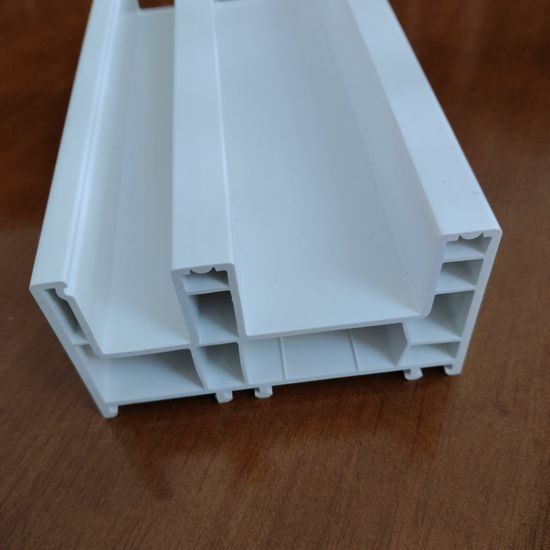
Premium UPVC Sliding Window Profile for Double Glazing Solutions
US$950.00-1,050.00
10 Tons(MOQ)

Satisfies 1 requirement
Aluminum Casement Door Broken Bridge Double Glazing Profiles
US$2,000.00-2,800.00
2 Tons(MOQ)

Satisfies 1 requirement
Aluminium Glazing Bead Profile for Window and Door
US$2,200.00-2,800.00
1 Ton(MOQ)

Satisfies 1 requirement
Aluminium Glazing Bead Profile for Window and Door
US$2,200.00-2,800.00
1 Ton(MOQ)


Satisfies 1 requirement
Aluminium Glazing Bead Profile for Casement and Sliding Window Door
US$2,200.00-2,800.00
1 Ton(MOQ)

Satisfies 1 requirement
Durable Extruded Rubber Glazing Profile for Auto Doors
US$0.30-0.60
500 Meters(MOQ)

Satisfies 1 requirement
Double Glazing Netting 60mm Series Flat Building Industrial PVC Profile Window
US$1,248.00-1,250.00
10 Tons(MOQ)

Satisfies 1 requirement
UPVC Door Profile 65 Series Triple Glazing Heat Insulation PVC Window Frame Profile for Uzbekistan
US$940.00-980.00
10 Tons(MOQ)

Satisfies 1 requirement
PVC Support Profile 60mm UPVC Profile Triple Glazing Weather Resistant PVC Door Profile PVC for Kyrgyzstan
US$950.00-980.00
10 Tons(MOQ)

Satisfies 1 requirement
PVC Blinds Profile 60mm UPVC Profile Noise Reduction Double Glazing Door Frame Profile PVC for Kyrgyzstan
US$950.00-980.00
10 Tons(MOQ)

Satisfies 1 requirement
South Africa Energy Efficient UPVC PVC Window Double Glazing Profile
US$940.00-990.00
10 Tons(MOQ)

Satisfies 1 requirement
Energy Saving PVC Window Profile UPVC Plastic Profile for Residential Building Construction and Double Glazing Windows in Argentina
US$940.00-990.00
10 Tons(MOQ)
Sourcing guidance for Glazing Profile
What are the key material considerations when selecting glazing profiles for different environments?
The choice of material directly impacts durability and thermal performance. Aluminum profiles are preferred for high-rise buildings due to their strength-to-weight ratio and resistance to corrosion, especially when powder-coated or anodized. For superior thermal insulation, ensure the profiles feature a polyamide thermal break, which significantly reduces heat transfer. PVC profiles are more cost-effective and offer excellent U-value performance for residential projects, while EPDM rubber gaskets are essential for ensuring a watertight seal and long-term weather resistance.
Which international compliance standards should B2B buyers verify for glazing profiles?
To ensure safety and structural integrity, profiles must meet specific regional standards. For the European market, look for CE Marking and compliance with EN 12020-2 (for aluminum extrusions). For North America, verify AAMA (American Architectural Manufacturers Association) certification. Additionally, ensure the manufacturer follows ISO 9001 for quality management and that the surface treatments comply with Qualicoat or Qualanod standards to guarantee finish longevity against UV radiation and salt spray.
How do technical specifications like wall thickness and glazing pocket width affect procurement?
Technical compatibility is critical for installation success. The wall thickness (typically ranging from 1.2mm to 3.0mm) determines the structural load-bearing capacity; thinner profiles may fail under high wind pressure. The glazing pocket width must be matched to the intended glass thickness (e.g., 24mm for double glazing or 32mm+ for triple glazing). Buyers should request CAD/BIM drawings from suppliers on Made-in-China.com to verify that the profile geometry aligns with the specific hardware and glass units being used.
Cross-Border Procurement & Risk Management for Glazing Profiles
How can buyers mitigate the risk of receiving deformed or damaged profiles during sea freight?
Glazing profiles are long and susceptible to bending or surface scratching. Require the supplier to use protective PE film on all visible surfaces and pack the profiles in reinforced wooden crates or steel racks rather than simple bundles. Specify FCL (Full Container Load) shipping whenever possible to minimize handling, and ensure the contract includes a quality claim clause for any structural deformation exceeding 0.5% of the length.
What strategies should be used when negotiating with Chinese glazing profile manufacturers?
Focus on the aluminum ingot price index (such as the Shanghai Metals Market) to understand base material costs. Negotiate based on price per ton for large volumes, but clarify if the price includes surface treatment and fabrication (cutting/punching). For custom extrusions, discuss the die/mold cost; many suppliers on Made-in-China.com will refund the mold fee once the cumulative order volume reaches a certain threshold (e.g., 5 to 10 tons).
What are the essential transaction security tips for high-value architectural hardware orders?
Always utilize secured payment terms and consider using third-party inspection services (like SGS or Intertek) to conduct a Pre-Shipment Inspection (PSI). The inspector should verify the alloy grade (e.g., 6063-T5) using a spectrometer and check the coating thickness with a micron gauge. Never release the final 70% balance payment until the inspection report confirms that the goods meet the agreed-upon technical specifications and tolerances.