
Satisfies 1 requirement
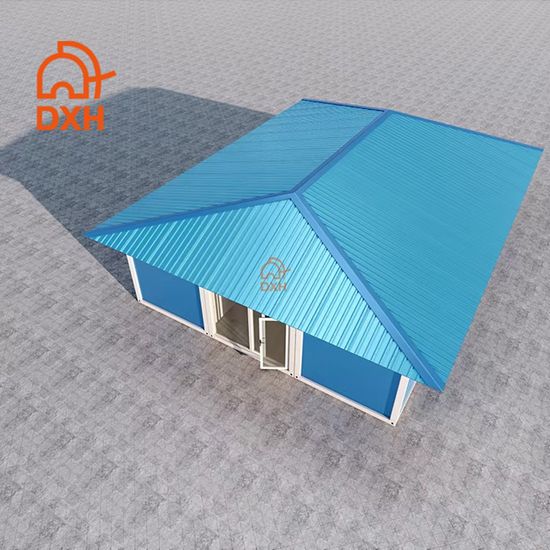
Factory Manufacture Custom Demountable Luxury School Classroom Gym Restaurant Villa Modern Prefab Prefabricated Office Detachable Living Glass Container Home
US$900.00-1,050.00
1 Set(MOQ)

I have found results from200000+products and70000+suppliers aboutGym home




When evaluating home gym systems, prioritize heavy-duty steel frames (at least 11-gauge or 14-gauge steel) to ensure structural stability. For multi-functional stations, check the tensile strength of the aircraft-grade cables, which should ideally be rated for 2,000 lbs or more. Ensure that pulleys are made of fiberglass-reinforced nylon with sealed bearings for smooth operation. Additionally, verify that the weight stack materials are solid cast iron rather than plastic-encased sand to ensure long-term durability and accurate resistance.
Suppliers must adhere to ISO 20957 standards, which specify general safety requirements and test methods for stationary training equipment. For the US market, compliance with ASTM F1250 is essential, while the EU market requires CE marking and compliance with the General Product Safety Directive (GPSD). Always request RoHS and REACH certifications for foam grips and PVC coatings to ensure they are free from hazardous phthalates and chemicals.
Request the supplier to provide 3D CAD drawings or BIM models to verify the range of motion and footprint. Ask for video demonstrations focusing on the adjustability of seats and backrests; high-quality equipment should feature pop-pin adjustment systems with chrome-plated tubing to prevent rusting. Ensure the padding uses high-density foam (at least 60kg/m³) with sweat-resistant PU leather to maintain shape and hygiene under frequent use.
To optimize costs, consider SKU consolidation—sourcing multi-functional 'all-in-one' trainers (like Smith machines combined with functional trainers) to reduce shipping volume. Negotiate for tiered pricing where a 20% discount is typically achievable for Full Container Load (FCL) orders compared to Less than Container Load (LCL). Furthermore, sourcing from manufacturers on Made-in-China.com allows you to compare Factory-Direct pricing, eliminating middleman markups.
The main risks include shipping damage due to insufficient packaging and high demurrage charges at ports. Ensure the supplier uses honeycomb cardboard boxes or reinforced wooden crates with internal EPE foam protection. Since gym equipment is high-density cargo, use FOB (Free On Board) terms to maintain control over your freight forwarder and ensure they have experience handling oversized and overweight pallets.
Utilize the Secured Trading services provided by Made-in-China.com to protect your payments. Before the final balance payment, hire a third-party inspection agency (like SGS or Intertek) to perform a Pre-Shipment Inspection (PSI). The inspection should include a loading test (applying 1.5x the rated weight capacity) and a salt spray test for painted parts to check for corrosion resistance.
Focus on spare parts and warranty terms rather than just the unit price. Negotiate for a 2% to 3% free-of-charge (FOC) spare parts kit (including cables, pulleys, and upholstery) to be included in the container. Demand a minimum 5-year warranty on the main frame and 1-year on wear items. This reduces your long-term maintenance costs and improves your brand's reputation for reliability.
Stay updated on Anti-Dumping Duties (ADD) and specific HS Code classifications (typically under Chapter 95). For example, importing steel-based fitness gear into certain regions may trigger Section 232 steel tariffs. Always consult with a licensed customs broker to confirm the Most Favored Nation (MFN) tariff rates and check if your country has a Free Trade Agreement (FTA) with China that could lower your import duties.