
Satisfies 1 requirement
The Low Bed Durable 4axles Lowbed Semi Trailer 100 Ton with Hydraulic Lifting
US$10,000.00-15,000.00
1 Piece(MOQ)

I have found results from100000+products and60000+suppliers aboutHydraulic lifting trailer


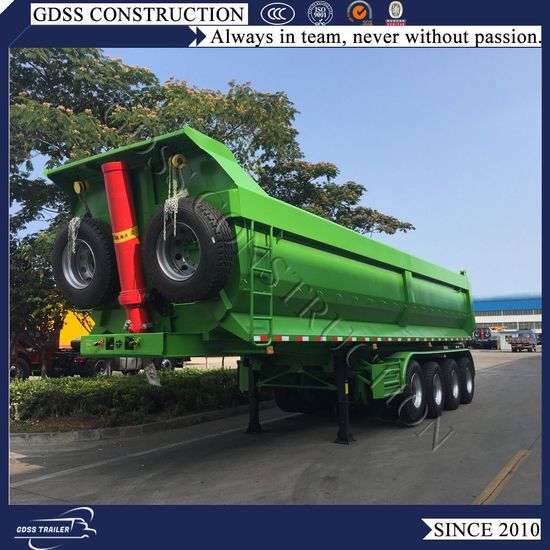


Buyers must prioritize the load capacity (tonnage) and the maximum lifting height to ensure the equipment meets operational needs. Key components to inspect include the hydraulic cylinder brand and seal quality, as high-quality seals prevent oil leakage under high pressure. Additionally, verify the chassis material, preferably Q345B high-strength steel, and the welding process (submerged arc welding) to ensure structural integrity during heavy-duty cycles.
For the European market, the CE Marking is essential, specifically compliance with the Machinery Directive 2006/42/EC. For North American markets, ensure the trailer meets DOT (Department of Transportation) standards for road legality and ANSI/ASME safety standards for lifting mechanisms. Always request ISO 9001 certification from the manufacturer to guarantee a standardized production process.
Request details on the hydraulic pump station's power source (electric, diesel, or PTO) and the inclusion of safety valves (explosion-proof valves) that prevent the platform from falling in case of a hose failure. Ensure the system uses standardized hydraulic fittings to facilitate easy maintenance and parts replacement in your local market.
A capable supplier should offer tailored platform dimensions, adjustable guardrail heights, and specialized surface treatments like hot-dip galvanizing for corrosion resistance in coastal or humid environments. For B2B buyers, the ability to integrate remote control systems or automated leveling sensors is a significant value-add.
Due to their bulk, these products are often shipped via RORO (Roll-on/Roll-off) or 40ft Flat Rack containers. To reduce costs, discuss SKD (Semi-Knocked Down) shipping with the supplier, where the lifting mechanism and chassis are partially disassembled to fit into standard containers, potentially saving 20-40% on freight costs.
The primary risk is specification mismatch upon arrival. To mitigate this, utilize third-party inspection services (like SGS or Intertek) to conduct a Pre-Shipment Inspection (PSI) focusing on load-bearing tests and hydraulic pressure stability. Always use secure payment methods like Letters of Credit (L/C) or Escrow services provided by reputable platforms like Made-in-China.com to protect your capital.
Focus on the Total Cost of Ownership (TCO) rather than just the unit price. Negotiate for a longer warranty period (ideally 18-24 months) on core hydraulic components and request a wearing parts kit (seals, filters, hoses) to be included in the initial order. Mentioning your intent for long-term cooperation and repeat orders can often secure a 5-10% discount on bulk purchases.
Ensure the supplier provides a detailed Commercial Invoice, Packing List, Bill of Lading, and a Certificate of Origin (to benefit from preferential tariffs if applicable). For hydraulic equipment, a Technical Data Sheet and User Manual in English are often required by customs to verify the safety and classification of the machinery.