
Satisfies 1 requirement
500L Automatic Food Eggs Cooking Mixer Machine Industrial Meat Cooking Machine Price Commercial Cooking Pot with Mixer
US$3,800.00-5,200.00
1 Piece(MOQ)

I have found results from200000+products and100000+suppliers aboutIndustrial mixing machines price


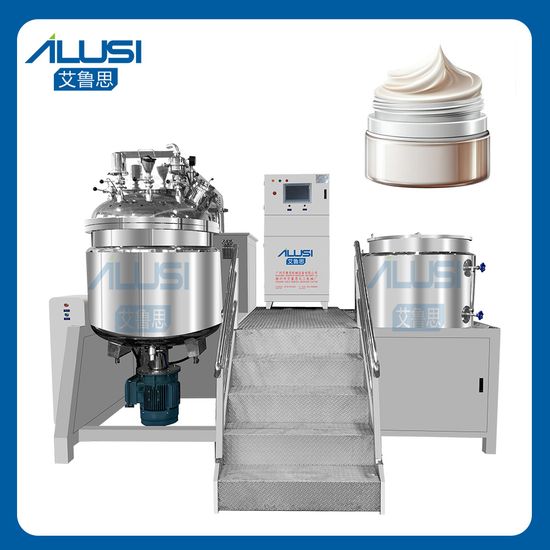


Selecting the correct mixing technology is critical for operational efficiency. For low-viscosity liquids, high-speed propeller or turbine agitators are ideal. For medium-viscosity materials like creams or lotions, anchor or paddle mixers provide better displacement. For high-viscosity pastes or heavy solids, you must prioritize planetary mixers or sigma blade mixers which offer high torque and prevent 'dead zones' in the mixing vessel.
Buyers should ensure the equipment is constructed from SUS304 or SUS316L stainless steel for corrosion resistance, especially in food or pharma sectors. Verify CE certification for electrical safety and ATEX/Ex-proof ratings if handling volatile chemicals. For sanitary applications, look for GMP compliance and CIP (Clean-In-Place) systems to minimize downtime and cross-contamination.
The motor is the heart of the machine. Prioritize suppliers using Variable Frequency Drives (VFD), which allow for precise speed control and reduce energy consumption. Ensure the motor has an IP55 or higher protection rating to withstand washdowns. Investing in high-quality brands like ABB or Siemens motors may increase the initial price but significantly reduces Total Cost of Ownership (TCO) by lowering maintenance and downtime costs.
Standard models often require modification for specific production lines. Discuss jacketed vessels for heating/cooling requirements, vacuum systems to eliminate air bubbles in the mix, and PLC touch-screen control panels for automated recipe management. Always confirm the discharge mechanism (e.g., pneumatic valve, tilting tank) aligns with your downstream packaging equipment.
The biggest risks include damage during maritime transit and technical non-conformity. To mitigate these, require the supplier to use vacuum-sealed plastic wrapping and reinforced seaworthy wooden crates. Additionally, conduct a Pre-Shipment Inspection (PSI) via a third-party agency to verify that the machine's RPM, noise levels, and safety sensors meet the agreed-upon Proforma Invoice specifications.
Don't just negotiate on the sticker price; negotiate on the spare parts package and warranty extension. Request a wear-parts kit (seals, gaskets, bearings) to be included for the first 2 years of operation. For high-value machinery, use Trade Resources on Made-in-China.com to verify the supplier's Audit Reports and 'Diamond Member' status to ensure they have the manufacturing capacity for large-scale industrial equipment.
Industrial mixers are heavy and often oversized. Clarify Incoterms clearly; CIF or DAP is often preferred for buyers who want the supplier to handle the complex logistics of heavy machinery. Ensure the supplier provides a detailed installation manual and wiring diagrams in English. For complex systems, negotiate for remote video installation guidance or on-site commissioning as part of the contract.
Avoid 100% upfront payments. The industry standard for custom machinery is a 30% deposit to start production, 60% after successful FAT (Factory Acceptance Test) verified by video or third-party, and the final 10% after delivery or installation. Always conduct transactions through secure payment channels provided by professional B2B platforms like Made-in-China.com to protect your funds against non-delivery.