
Satisfies 1 requirement
FKM Fpu PU Injection Custom Rubber Shock Pads Rubber Products
US$0.10-10.00
5 Meters(MOQ)

I have found results from100000+products and70000+suppliers aboutInjection pharmaceutical products


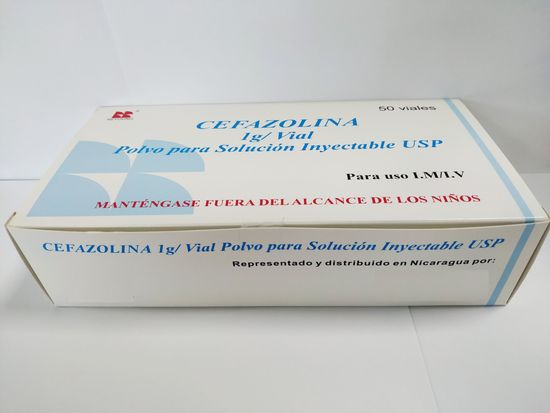

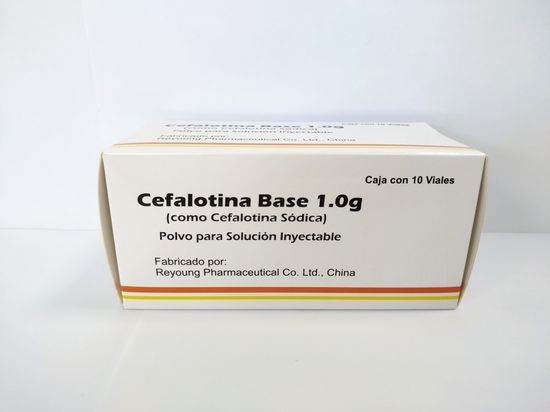


Buyers must prioritize suppliers that strictly adhere to GMP (Good Manufacturing Practice) standards to ensure product safety and quality. It is mandatory to verify ISO 13485 for medical devices (if pre-filled) and ensure the facility has a valid Drug Manufacturing License. For specific markets, look for US FDA, EU GMP, or WHO-PQ (Prequalification) certifications to guarantee international therapeutic equivalence.
Key technical parameters include sterility assurance levels (SAL 10^-6), endotoxin limits, and pH stability. Buyers should request a Certificate of Analysis (CoA) for every batch, detailing the active pharmaceutical ingredient (API) purity, excipient compatibility, and osmolarity. For liquid injections, ensure the borosilicate glass type (Type I) is used for vials to prevent leaching.
Injectables often require temperature-controlled environments (2°C to 8°C). Suppliers must provide validated cold chain packaging including data loggers to monitor temperature fluctuations during transit. The primary packaging must be tamper-evident and include anti-counterfeiting features such as UV-visible ink or unique serialization codes to comply with global track-and-trace regulations.
Request stability testing data conducted under ICH (International Council for Harmonisation) guidelines, covering both accelerated and long-term stability studies. This ensures the product maintains its potency and safety throughout its declared shelf life under various climatic zones (Zone I-IV).
The most critical risks include regulatory rejection at customs, cold chain breakage, and counterfeit goods. To mitigate these, always use verified suppliers on Made-in-China.com who have undergone on-site audits. Ensure all import permits and marketing authorizations are secured in the destination country before the goods depart.
Negotiations should focus on a formal Quality Agreement (QA) rather than just price. Define clear protocols for batch failure, recalls, and liability. Demand transparency in the supply chain, requiring the supplier to disclose the source of the API (Active Pharmaceutical Ingredient) and provide notice of any manufacturing process changes.
Utilize specialized pharmaceutical freight forwarders who offer GDP (Good Distribution Practice) certified handling. For air freight, specify active cooling containers (e.g., Envirotainer) for high-value biologics. Ensure the Incoterms clearly define the point where risk transfers, typically recommending DAP or DDP for buyers who want the supplier to manage the complexities of medical customs clearance.
Use secure payment methods that offer escrow-like protection, such as those provided through Made-in-China.com’s trading services. Avoid full upfront payments; instead, use a 30/70 payment structure where the final 70% is released only after a third-party pre-shipment inspection and verification of the shipping documents and CoA.