
Satisfies 1 requirement
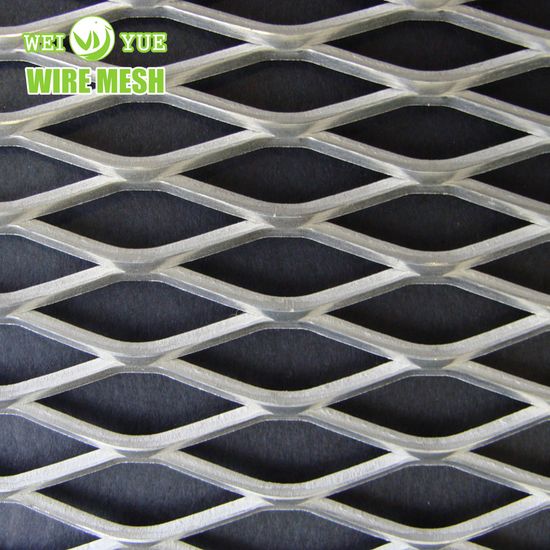
Perforated/Punch Mesh/Perforated Screen Metal Sheet Wire Mesh
US$1.30-4.80
100 Square Meters(MOQ)

I have found results from70000+products and20000+suppliers aboutMetal screen sheet mesh




Material selection is the most critical factor for durability. For high-corrosion environments (coastal or chemical plants), Stainless Steel 316 is mandatory due to its molybdenum content. For general industrial use, Stainless Steel 304 offers the best balance of cost and oxidation resistance. If the application involves high temperatures, consider Inconel or Monel alloys. For lightweight architectural needs where strength is less critical, Aluminum mesh is preferred as it is naturally corrosion-resistant and easy to fabricate.
Buyers must specify the Mesh Count (number of openings per linear inch) and Wire Diameter. A higher mesh count with thinner wire increases transparency and airflow but reduces structural strength. For filtration, focus on the Micron Rating. Ensure the Opening Area Percentage is calculated to meet specific flow rate requirements. Additionally, specify the Weave Type: Plain Weave is standard, while Twilled Weave allows for heavier wires in fine meshes, and Dutch Weave is superior for high-pressure filtration.
Ensure the supplier adheres to ASTM E2016-15 for industrial woven wire cloth specifications. For food processing or medical applications, products must be FDA compliant and free from manufacturing oils. Request a Material Test Report (MTR) to verify the chemical composition of the alloy. If used in construction, check for ISO 9001:2015 certification to ensure consistent manufacturing tolerances and tensile strength validation.
To improve longevity and aesthetics, consider Passivation for stainless steel to remove surface contaminants and enhance the chromium oxide layer. Powder Coating provides color customization and extra protection for architectural screens. For galvanized mesh, ensure Hot-Dipped Galvanization rather than electro-galvanizing if the product will be exposed to outdoor elements, as it provides a thicker, more durable zinc coating.
The primary risk in metal mesh is material substitution (e.g., 201 stainless steel labeled as 304). Always use Third-Party Inspection services (like SGS or Intertek) to perform a PMI (Positive Material Identification) test before the balance payment. When sourcing via Made-in-China.com, prioritize Audited Suppliers who have undergone verified on-site inspections of their production facilities.
Metal mesh is susceptible to deformation and moisture damage during sea transit. Require the supplier to use waterproof paper and plastic film wrapping, followed by secured wooden crates or steel pallets to prevent crushing. For fine mesh, specify hard tube cores to prevent the roll from flattening, which renders the mesh unusable for precision machinery.
Negotiate based on Total Weight vs. Square Meterage. Since metal is a commodity, prices fluctuate with raw material markets; ask for a price validity period (usually 7-15 days). For large projects, negotiate a staged delivery schedule to reduce your warehousing costs while locking in bulk pricing. Always clarify the Incoterms, as FOB (Free On Board) is generally more cost-effective for buyers who have their own freight forwarders.
Utilize Trade Assurance or secure payment portals on Made-in-China.com to ensure your funds are protected until the shipping documents are verified. Avoid direct wire transfers to private accounts. Ensure the Proforma Invoice (PI) explicitly states the tolerance levels for mesh count and wire diameter (e.g., +/- 3%) to provide legal recourse in case of quality disputes.