
Satisfies 1 requirement
20FT Flat Pack Container House Dormitory - Modern and Versatile Design
US$2,200.00
6 Pieces(MOQ)

I have found results from200000+products and60000+suppliers aboutModern house design


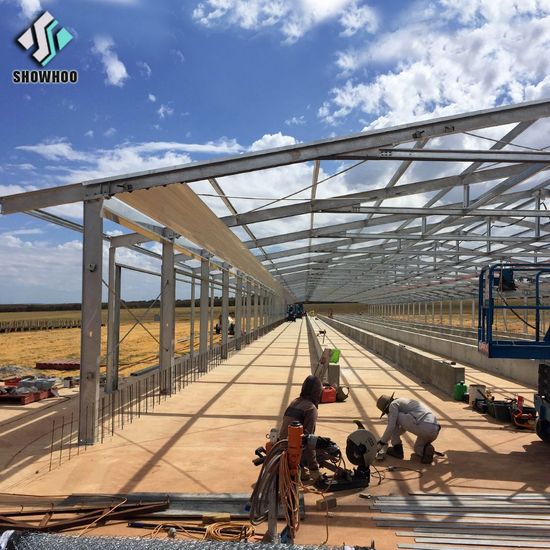


When procuring modern house designs, especially for prefabricated or modular structures, you must prioritize structural integrity and material standards. Ensure the design utilizes Q235 or Q345 galvanized steel frames for corrosion resistance. For insulation, specify High-Density Rock Wool or Polyurethane (PU) sandwich panels with a thickness of at least 50mm to 100mm to ensure thermal efficiency. Additionally, verify that the floor load-bearing capacity meets international standards, typically ≥200kg/m² for residential use.
Compliance is critical for cross-border sourcing. You should require suppliers to provide designs that adhere to ISO 9001 for quality management and CE certification for European markets or ASTM standards for North America. Ensure the design includes fire rating certifications (Class A or B1) for all wall and roofing materials. If the design involves electrical or plumbing systems, verify they meet IEC (International Electrotechnical Commission) or local regional standards like UL or CSA.
A professional supplier should offer BIM (Building Information Modeling) and CAD/3D Max files to facilitate seamless integration with local site planning. Look for providers who offer modular scalability, allowing you to expand the floor plan in the future. Ensure the supplier can provide customized interior finishing options, such as SPC flooring, integrated wall panels, and smart home system compatibility, to meet specific market aesthetic demands.
Modern house designs are highly versatile. Common applications include Affordable Housing Projects, Eco-friendly Vacation Villas, Remote Site Offices, and Emergency Relief Housing. For commercial use, these designs are frequently adapted for Boutique Hotels and Glamping Pods, where rapid deployment and high-end aesthetics are required.
To ensure transaction security, always use Secure Payment Services provided by reputable platforms like Made-in-China.com, which offer escrow-style protection. Conduct a Third-Party Factory Audit before final payment to verify the supplier's production capacity and legitimacy. It is highly recommended to use Inspection Services (such as SGS or BV) to check the materials and components against the approved design specifications before they are loaded into containers.
Modern house designs are usually shipped as Flat-Pack (SOC) or Knock-Down (KD) kits to optimize container space. Use 40HQ (High Cube) containers to maximize volume and reduce freight costs. Ensure the supplier uses Seaworthy Packaging, including steel pallets and plastic film wrapping, to prevent moisture damage and rust during long-distance maritime transit. Clearly define Incoterms (e.g., FOB or CIF) in the contract to establish responsibility for insurance and local customs clearance.
When negotiating for large-scale projects, focus on Volume-Based Pricing Tiers; typically, orders exceeding 10 units can yield 10-20% discounts. Negotiate for Spare Parts Inclusion, such as extra glass panels, sealants, and fasteners (usually 2-3% of the total order value) to account for potential on-site breakage. Additionally, request Technical Support Packages, including detailed installation videos, 24/7 remote guidance, or even on-site supervisor dispatch for the first unit.