
Satisfies 1 requirement
Low Light Shading Sun Shade Net Mesh Monofilament Rainroof UV Resistant Tape Yarn Double Plain Weave for Greenhosue
US$0.12-0.50
1,000 Meters(MOQ)

I have found results from7000+products and2000+suppliers aboutMonofilament shade net
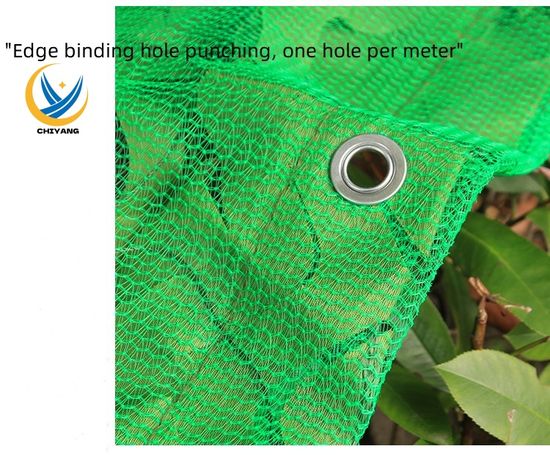


Buyers should prioritize High-Density Polyethylene (HDPE) as the primary material due to its superior tensile strength compared to tape yarn. Key metrics include the shade rate (ranging from 30% to 95%), UV stabilization (typically 3-5% UV additive) to prevent degradation, and weight per square meter (GSM), which directly correlates with durability. For agricultural use, ensure the net features lock-stitch technology to prevent unraveling if the fabric is cut.
Request a UV Resistance Test Report (such as ASTM G154) to ensure the product can withstand intense sunlight for 3 to 5 years. Check for reinforced edges and sturdy eyelets/grommets (preferably brass or stainless steel) every 50-100cm to ensure secure installation. A high-quality monofilament net should have a uniform mesh structure without visible knots or thinning areas.
Ensure the supplier complies with ISO 9001 for quality management. For European markets, REACH compliance is necessary to ensure no harmful chemicals are present in the plastic. If the nets are used for food-related crops, verify that the pigments used are lead-free and non-toxic. Always ask for a Certificate of Analysis (COA) for the raw HDPE resin used.
Black nets are most effective for heat reduction and general shading. Green nets are preferred for nurseries as they blend with the environment and alter the light spectrum to promote vegetative growth. White or transparent nets are ideal for reflecting heat while maintaining high light transmission, often used in flowering plants to prevent scorching without stalling photosynthesis.
Utilize third-party inspection services (like SGS or Intertek) to conduct a Pre-Shipment Inspection (PSI). Focus on the weight-per-roll verification; dishonest suppliers may reduce the GSM to save costs. Always source through reputable platforms like Made-in-China.com, which offers secured payment services to ensure funds are only released after the buyer confirms receipt of goods meeting the agreed specifications.
Negotiate based on Total Volume vs. Frequency. If you have a recurring need, ask for a cumulative discount. For customized sizes or colors, the Minimum Order Quantity (MOQ) is usually higher (e.g., 2-5 tons). To lower costs, consider ordering standard roll widths (e.g., 2m, 4m, 6m) to avoid custom machine setup fees. Request FOB (Free On Board) pricing to maintain better control over your international logistics and freight costs.
Shade nets are bulky but relatively light. To optimize shipping costs, request vacuum compression packing or high-pressure baling to increase container utilization. Ensure the outer packaging is UV-resistant plastic film to protect the product from sunlight and moisture during long-term sea transit. Verify the HS Code (typically 5608.19) with your customs broker to accurately calculate import duties in your destination country.
Always verify the supplier's Business License and Export Qualification. Prioritize Audited Suppliers on Made-in-China.com, as these companies have undergone on-site verification of their production capabilities. Avoid using high-risk payment methods like direct wire transfers to personal accounts; instead, use Trade Terms that include Escrow or Letter of Credit (L/C) for large-scale industrial orders.