
Satisfies 1 requirement
UPVC/PVC Sliding Door Plastic Door with Doubel Glazed Glass
US$30.00-50.00
10 Square Meters(MOQ)

I have found results from200000+products and100000+suppliers aboutPlastic sliding door


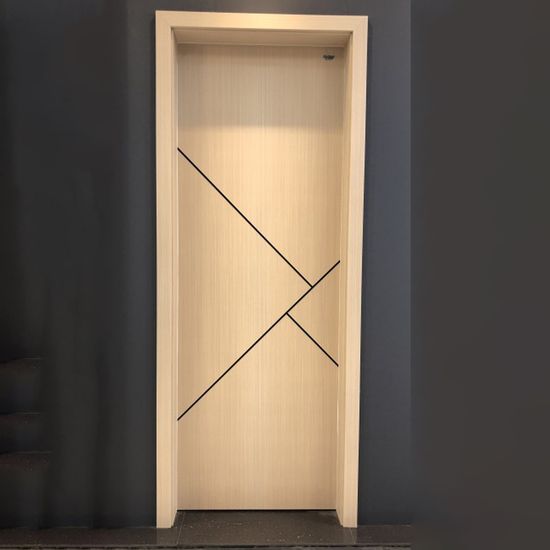


When selecting plastic sliding doors, primarily made of uPVC (Unplasticized Polyvinyl Chloride), ensure the profiles are multi-chambered (at least 3-5 chambers) to provide superior thermal insulation and structural rigidity. For B2B procurement, verify that the frames are reinforced with galvanized steel inserts (minimum thickness of 1.5mm) to prevent warping under wind pressure or temperature fluctuations.
Buyers must ensure products meet regional building codes. For the EU market, look for CE Marking and EN 12608 certification. For North America, compliance with AAMA/WDMA/CSA 101/I.S.2/A440 is essential. Always request test reports for Air Tightness (Class 4), Water Tightness (Class 9A), and Wind Pressure Resistance (Class C5) to ensure the doors are suitable for the local climate.
Standard plastic sliding doors should feature Double Glazing (5mm+12A+5mm) with Argon gas filling to reduce the U-value. For enhanced safety, specify Tempered Glass (Toughened) or Laminated Glass to comply with international safety glazing standards. In colder regions, a Low-E (Low Emissivity) coating is highly recommended to improve thermal performance by up to 30%.
The longevity of a sliding door depends on its moving parts. Prioritize stainless steel or high-grade nylon rollers with ball bearings for smooth operation. Ensure the locking mechanism is multi-point for enhanced security. For coastal projects, hardware must have a salt spray test rating of at least 240 hours to prevent corrosion.
Sliding doors are fragile and bulky. Require the supplier to use EPE foam corner protectors, vacuum shrink film, and reinforced plywood crates (non-fumigation). Avoid simple palletizing. It is highly recommended to purchase Marine Cargo Insurance covering 'All Risks' to protect against breakage during transit.
Focus on Total Cost of Ownership (TCO) rather than just the unit price. Request a breakdown of costs including profile brand, hardware origin, and glass specs. Use the 'Audit Reports' available on Made-in-China.com to verify the manufacturer's production capacity and export experience. Negotiate for a spare parts kit (rollers, handles, gaskets) to be included at no extra cost (usually 1-2% of order volume).
Utilize Secured Trading Services provided by the platform. Never release the final 70% balance until a Pre-shipment Inspection (PSI) is conducted by a third party (like SGS or Intertek). The inspection should focus on dimensional accuracy (±2mm), weld seam quality, and glass clarity.
Plastic sliding doors often exceed standard container heights. Confirm if your order requires 40ft HQ (High Cube) containers. For inland delivery in the destination country, ensure the local logistics provider has tail-lift trucks or forklifts capable of handling oversized crates to avoid 'last-mile' delivery failures or extra surcharges.