
Satisfies 1 requirement
Fashion Suede Anti-Smash Non-Slip Athletic Safety Shoes for Industrial Use Factory Price
US$10.30
1,000 pairs(MOQ)

I have found results from100000+products and40000+suppliers aboutSafety shoes price


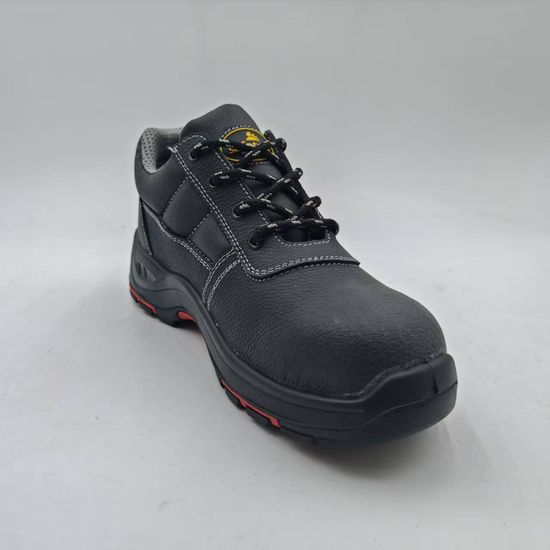


The price of safety shoes is primarily driven by compliance with international safety standards. You must ensure the products meet ISO 20345:2011 or 20345:2022 (SB, S1, S1P, S2, S3) for general safety, or ASTM F2413-18 for the US market. Higher-priced models usually feature composite toe caps (lighter than steel) and Kevlar mid-soles for puncture resistance, which offer better comfort and lower shipping weight compared to traditional steel components.
While PVC or synthetic leather shoes offer the lowest entry price, genuine cow leather (Action Leather or Full Grain) provides superior durability and breathability, reducing the frequency of replacement. For high-end industrial use, look for Dual-Density PU/Rubber outsoles, which provide excellent slip resistance (SRC rating) and heat resistance, justifying a higher initial investment through a longer product lifecycle.
Usage scenarios dictate the necessary specifications: for construction, prioritize S3 rating (water resistance + puncture proof); for electronics manufacturing, ESD (Electrostatic Discharge) protection is mandatory. In oil and gas sectors, oil-resistant and acid-resistant outsoles are critical. Buyers should verify these functions via third-party lab reports (SGS, Intertek, or TUV) to ensure the price aligns with the protective capabilities.
Customizing safety shoes with a private logo, specific colorways, or branded packaging typically increases the price by 5-10% and requires a higher MOQ (usually 500-1000 pairs). However, sourcing through Made-in-China.com allows buyers to find manufacturers offering 'Ready-to-Ship' items with lower MOQs if standard branding is acceptable, which is ideal for market testing.
The most significant risk is non-compliance with local safety regulations, which can lead to customs seizures or legal liability if an injury occurs. Always request CE or ASTM certificates and verify them against the issuing body's database. Another risk is size inconsistency; ensure the supplier uses Standard EU or US sizing charts to avoid high return rates.
Focus on Total Cost of Ownership (TCO) rather than just the unit price. Negotiate for tiered pricing (e.g., discounts of 10-15% for orders over 2,000 pairs). If you are a repeat buyer, request favorable payment terms such as 30% deposit and 70% against the Bill of Lading (B/L), and ask for a 1-2% spare parts allowance (extra laces or insoles) at no additional cost.
Safety shoes are heavy and bulky. For large volumes, Sea Freight (FCL or LCL) is the most economical method. To optimize container space, consider bulk packing (polybags) instead of individual shoe boxes, which can reduce shipping volume by up to 25-30%. For urgent samples, use courier services but ensure the supplier provides a Commercial Invoice with the correct HS Code (typically 6403.40) to streamline customs clearance.
Utilize the secured payment and audit services provided by Made-in-China.com. Prioritize 'Audited Suppliers' who have undergone on-site inspections. Before final payment, consider hiring a third-party inspection agency to perform a Pre-Shipment Inspection (PSI) to check the stitching, bonding strength, and impact resistance of the toe caps.