
Satisfies 1 requirement
Mini Hydraulic Side Unload 2WD Dumper 1 Ton with Diesel Engine
US$1,500.00-2,500.00
1 Piece(MOQ)

I have found results from100000+products and30000+suppliers aboutSide dumper


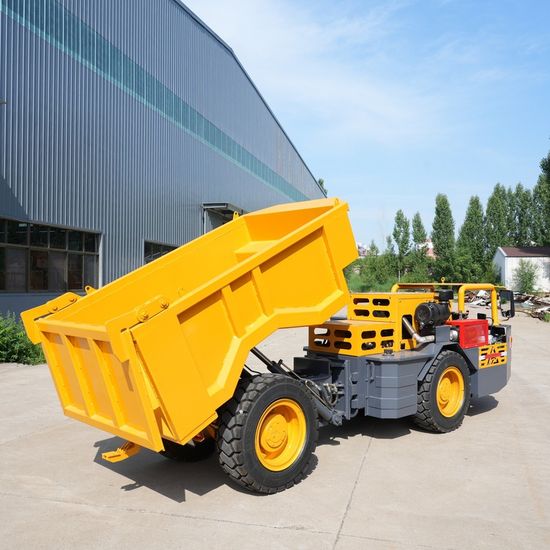


Selecting a side dumper requires matching the hydraulic system capacity and chassis strength to your specific cargo. For heavy mining loads, prioritize high-strength steel (like HG60 or NM450) to prevent deformation. For agricultural use, a lighter aluminum alloy body may be more cost-effective to increase payload capacity. Always verify the cylinder diameter and tipping angle (usually 45-50 degrees) to ensure efficient unloading of sticky materials.
Buyers must ensure the vehicle meets ISO 9001 quality management standards and regional road safety certifications such as DOT (USA), ADR (Australia), or CE (Europe). Key technical benchmarks include axle load ratings (e.g., 13T/16T BPW or FUWA axles), braking system type (WABCO valves are preferred), and suspension durability (mechanical leaf spring vs. air suspension). Ensure the welding process uses submerged arc technology for maximum structural integrity.
Request a hydraulic pressure test report and a load-bearing simulation video from the supplier. It is critical to check the thickness of the floor (8mm-10mm) and side walls (4mm-6mm) using ultrasonic thickness gauges. Professional buyers should also ask for third-party inspection reports (SGS or BV) and verify the brand of critical components like tires (e.g., Triangle or Double Coin) and landing gear (e.g., JOST).
To ensure longevity, the hydraulic oil should be replaced after the first 2,000 cycles and then annually. Greasing the hinge points and cylinder pivots every 500 kilometers of operation is essential to prevent friction damage. Regularly inspect the tightness of the U-bolts on the axles and the integrity of the hydraulic hoses to prevent high-pressure leaks during tipping operations.
The biggest risks include shipping damage (corrosion from sea salt) and non-compliance with local road regulations. To mitigate this, ensure the supplier applies a thick wax coating for maritime transport and provides a detailed technical drawing for pre-approval by your local transport authority before production begins.
Negotiate based on Total Cost of Ownership (TCO) rather than just the sticker price. Request volume discounts (typically 5-10% for 5+ units) and ask for a spare parts package (including extra seals, lights, and brake pads) to be included in the price. On platforms like Made-in-China.com, look for 'Diamond' or 'Audited' suppliers to ensure higher negotiation transparency.
For cost-efficiency, consider CKD (Completely Knocked Down) or SKD (Semi-Knocked Down) shipping in containers to reduce freight costs by up to 40%. If shipping fully assembled, use RORO (Roll-on/Roll-off) or Bulk Cargo vessels. Ensure the Incoterms (e.g., CIF vs. DAP) are clearly defined to establish who is responsible for unloading and customs clearance at the destination port.
Utilize Secured Trading Services provided by reputable platforms like Made-in-China.com to hold payments in escrow until the bill of lading is issued. Always use Letter of Credit (L/C) for large-scale orders to protect against financial default, and never wire full payments to personal bank accounts; only use verified corporate accounts.