
Satisfies 1 requirement
20feet 40feet 45feet 2/3/4 Axle Skeleton Type Container Transport Chassis/Frame Truck Semi Trailer
US$6,000.00-10,000.00
1 Piece(MOQ)

I have found results from70000+products and20000+suppliers aboutSkeleton semi trailer


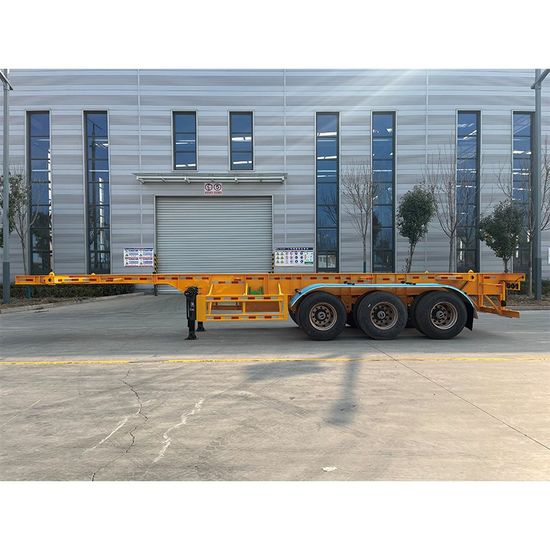


When sourcing a skeleton semi trailer (container chassis), the main beam material is critical; look for high-strength Q345B or T700 steel to ensure load-bearing capacity without excessive weight. Pay close attention to the twist lock quality, as these are the primary safety components for securing containers. Ensure the axle brand is a reputable one like FUWA or BPW, which offers better durability and easier access to spare parts globally. Additionally, verify the suspension type (mechanical leaf spring vs. air suspension) based on the road conditions of the destination country.
Buyers must verify that the manufacturer holds ISO 9001 certification and that the specific trailer model has World Manufacturer Identifier (WMI) and Vehicle Identification Number (VIN) codes. For specific markets, ensure compliance with DOT (USA), ADR (Australia), or CE (Europe) standards. Request braking system test reports, specifically checking for ABS or EBS integration, which is mandatory in many jurisdictions to prevent jackknifing during emergency stops.
The configuration depends on the container sizes you intend to transport. A 40ft skeleton trailer is the industry standard, but if you handle diverse cargo, consider a versatile chassis with 12 sets of twist locks to accommodate one 40ft, two 20ft, or one 20ft container in the middle. For port-to-terminal shuttle operations, a bomb cart (terminal trailer) with guide blocks instead of twist locks may be more efficient for rapid crane loading.
Since these trailers are often exposed to harsh maritime environments, prioritize suppliers using shot blasting technology to remove rust before painting. The best practice is a polyurethane paint finish or hot-dip galvanizing for the entire frame to prevent corrosion. Check the welding quality; look for submerged arc welding on the main beams to ensure deep penetration and structural integrity under heavy dynamic loads.
The primary risks include specification mismatch and shipping damage. To mitigate these, always request a Pre-Shipment Inspection (PSI) by third parties like SGS or Intertek. Ensure the contract specifies the steel thickness and component brands to prevent 'spec-bleeding' where a supplier substitutes cheaper parts after the deposit is paid. Use secure payment methods like Letters of Credit (L/C) or trade assurance services provided by Made-in-China.com to protect your capital.
Shipping heavy trailers is expensive. To reduce costs, many buyers use CKD (Completely Knocked Down) or SKD (Semi-Knocked Down) methods, allowing 2-3 trailers to be stacked and fit into a 40ft High Cube container. Alternatively, for fully assembled units, Roll-on/Roll-off (Ro-Ro) or Bulk Cargo ships are used. If shipping via bulk carrier, insist that the supplier applies a thick layer of protective wax to the entire vehicle to prevent seawater corrosion during transit.
Focus on the Total Cost of Ownership (TCO) rather than just the sticker price. Negotiate for wearing parts packages (e.g., extra brake linings, light covers, and air bags) to be included in the initial price. Inquire about volume discounts; even a small fleet order of 5-10 units can often trigger a 5-8% price reduction. Always confirm the lead time, as customized steel structures can take 20-30 days for production.
Ensure the supplier provides a Certificate of Origin (CO) to potentially benefit from Free Trade Agreements (FTA) and reduce import duties. You will need the Original Bill of Lading, Commercial Invoice, and Packing List. Crucially, request the Technical Data Sheet and Drawing in advance to ensure the vehicle dimensions and axle loads comply with your local Department of Transport regulations for road registration.