
Satisfies 1 requirement
Bean Bag Sofa Modern Compressed Couch Living Room Furniture Fabric Foshan Home
US$61.00-72.00
5 Pieces(MOQ)

I have found results from7000+products and2000+suppliers aboutSofa beanbag


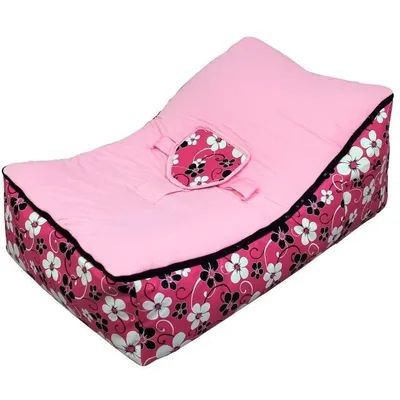


The filling determines both comfort and longevity. For B2B procurement, High-Density Expanded Polystyrene (EPS) beads are the industry standard due to their lightweight and crush-resistant properties. Ensure the beads are virgin EPS (not recycled) for better volume retention. For premium markets, consider shredded memory foam, which offers a luxury feel and doesn't 'bottom out' as easily, though it increases shipping weight.
Prioritize fabrics with a high GSM (Grams per Square Meter), typically above 300 GSM for heavy-duty use. Common materials include Oxford 600D with PVC/PU coating for water resistance or breathable linen/velvet for indoor aesthetics. Crucially, ensure the fabric meets fire retardancy standards such as BS5852 (UK) or CAL 117 (USA) to comply with international safety regulations.
Quality beanbags must feature double-stitched seams (overlock and topstitch) to prevent bursting under pressure. A dual-zipper system or a safety locking zipper is mandatory in many regions to prevent children from accessing the filling, which poses a choking hazard. Additionally, an inner liner bag is highly recommended as it allows the outer cover to be removed for machine washing without spilling the beads.
Beanbags are 'volumetric' goods. To maximize cost-efficiency, purchase 'covers only' and source the EPS filling locally in the destination country. This can reduce shipping volume by up to 90%, significantly lowering the Total Cost of Ownership (TCO). If buying pre-filled, utilize vacuum compression packaging, which can shrink the product size by 50-70% during transit.
The biggest risks are non-compliance with flammability laws and poor seam strength. Always request a third-party lab test report (SGS or Intertek) specifically for the batch you are ordering. On Made-in-China.com, prioritize Audited Suppliers who have undergone on-site factory inspections to verify their production capacity and quality control systems.
Suppliers usually offer lower MOQs for standard colors already in stock. For custom branding (logo embroidery or private labels), expect an MOQ of 100-300 units. Negotiate for a sample fee rebate, where the cost of the initial sample is deducted from your first bulk order. Always clarify the lead time for peak seasons, as textile production can slow down significantly before the Lunar New Year.
Use secure payment terms such as a Letter of Credit (L/C) for very large volumes or Escrow-based trade terms provided by reputable platforms. Never pay 100% upfront; a standard 30% deposit and 70% balance against the Bill of Lading (B/L) is the professional norm. Ensure all specifications, including fabric weight and zipper brand, are explicitly listed in the Proforma Invoice (PI).
Ensure your supplier provides a Certificate of Origin to potentially benefit from trade agreements. For the US, ensure compliance with the CPAI-84 or CAL 117 flammability standards. For the EU, check for REACH compliance regarding chemical dyes. Use DDP (Delivered Duty Paid) terms if you want the supplier to handle all customs and duties, or FOB (Free On Board) if you have a preferred freight forwarder to manage the sea freight.