
Satisfies 1 requirement
Solarchange 5W/10W/20W Solar Lighting System with LED Bulbs for Home Outdoor Solar Panel Kit with Verasol Certification/MP3/Bluetooth/Mobile Charger Solar Kit
US$23.00-24.00
1 Piece(MOQ)

I have found results from100000+products and50000+suppliers aboutSolar led lighting system


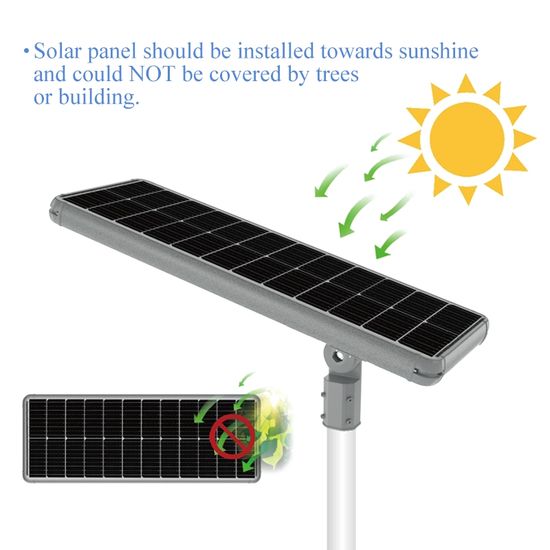


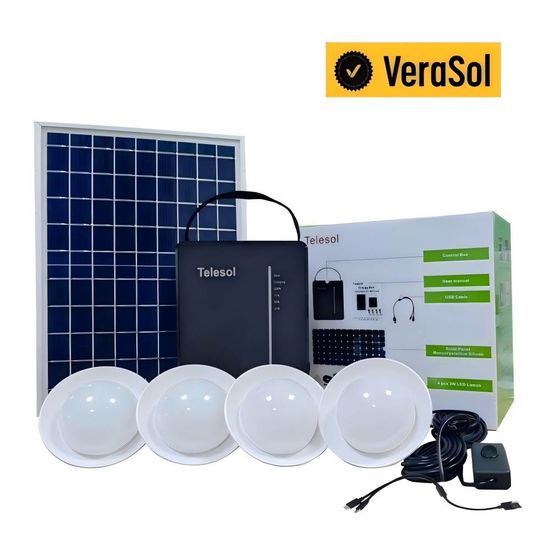


Selecting a professional-grade system requires balancing photovoltaic efficiency, battery longevity, and luminous efficacy. Buyers should prioritize systems that utilize Monocrystalline silicon panels, as they offer higher conversion rates (up to 22%) compared to polycrystalline alternatives. For the light source, ensure the LEDs provide at least 150-170 lumens per watt (lm/W) to maximize brightness while minimizing energy consumption. Additionally, verify the IP (Ingress Protection) rating; for outdoor or industrial use, a minimum of IP65 or IP67 is essential to ensure dust-tightness and protection against heavy rain.
The battery is the most frequent point of failure in solar systems. Professional buyers should insist on Lithium Iron Phosphate (LiFePO4) batteries over traditional Lead-Acid or standard Lithium-ion. LiFePO4 batteries offer a significantly longer cycle life—often exceeding 2,000 to 3,000 cycles—and perform better in high-temperature environments. Always check the Depth of Discharge (DoD); a high-quality system should allow for 80-90% DoD without compromising the battery's lifespan.
To ensure safety and market access, products must adhere to global standards. For the European market, CE (LVD/EMC) and RoHS certifications are mandatory. For North America, look for UL or ETL listing for the electronics and FCC for electromagnetic interference. Since these are green energy products, IEC 61215 (for PV modules) and IEC 62133 (for secondary cells/batteries) are the gold standards for performance and safety validation.
A robust system must account for 'Autonomy Days'—the number of days the light can function without sunlight. High-end systems provide 3 to 5 days of backup power. This is often achieved through MPPT (Maximum Power Point Tracking) controllers, which are 30% more efficient than PWM controllers. Furthermore, look for Intelligent Power Management (IPM) features like PIR motion sensors or time-profile dimming, which can extend battery life by reducing brightness during low-traffic hours.
The most significant risks involve battery safety during transit and exaggerated technical specifications. Batteries are classified as Class 9 Dangerous Goods, requiring specific documentation like UN38.3 test reports and MSDS. To mitigate 'spec-padding' (where suppliers claim higher wattage than actual), buyers should request IES files (photometric data) and LM-79/LM-80 reports. Utilizing Made-in-China.com's 'Audited Supplier' reports can help verify the factory's actual production capacity and quality control equipment.
Negotiations should focus on Total Cost of Ownership (TCO) rather than just the initial unit price. Request a tiered pricing structure where discounts of 10-20% are applied at specific volume breaks (e.g., 500+ units). Negotiate for spare parts (1-2% extra controllers or LEDs) to be included in the shipment to handle immediate maintenance needs. Ensure the contract specifies a warranty of at least 3-5 years for the entire system, with a clear RMA (Return Merchandise Authorization) process.
Solar panels are fragile and batteries are heavy. Insist on reinforced packaging, such as palletized shipments with corner protectors and shrink-wrap. For sea freight, ensure the containers are positioned away from heat sources to protect the batteries. When sourcing via Made-in-China.com, consider using Secured Trading Services to ensure that payment is only released once the goods pass a pre-shipment inspection (PSI), which should verify the battery capacity and waterproof sealing.