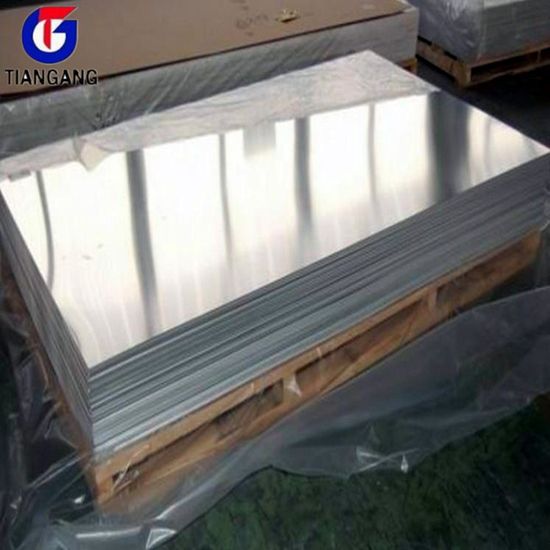
5182 Aluminum Plate Sheet for Commercial Vehicles

5182/5754 O Aluminum Automotive Automobile Vehicle Car Body Sheet

Petroleum Oil Tanker Truck 5182 Aluminum Sheet

5182 O Aluminum Plate Sheet

I have found results from4000+products and1000+suppliers about5182 aluminum sheet price


The 5182 aluminum sheet is an Al-Mg series rust-proof aluminum known for its excellent corrosion resistance, weldability, and cold workability. Key specifications include a magnesium content typically between 4.0% and 5.0%, which provides high tensile strength (≥280 MPa) and yield strength. It is widely used in the automotive industry for body panels and in the packaging industry for beverage can tabs due to its superior deep-drawing performance and surface quality.
Buyers must ensure the material complies with global standards such as ASTM B209 (US), EN 485/573 (EU), or GB/T 3880 (China). For automotive applications, look for IATF 16949 certification, which is the international standard for automotive quality management systems. If the sheet is used for food packaging (like easy-open ends), verify that it meets SGS or FDA food-grade safety requirements regarding chemical migration.
The temper (e.g., O, H19, H32, H111) significantly impacts the mechanical properties. O temper is soft and suitable for complex forming, while H19 is extra hard, often used for can lids to provide structural rigidity. Generally, specialized tempers or ultra-thin gauges (below 0.2mm) may command a higher processing fee compared to standard industrial thicknesses, as they require more precise rolling passes and heat treatment.
The total price is usually calculated as: Aluminum Ingot Price (LME or SMM) + Processing Fee. The ingot price fluctuates daily based on the global market. The processing fee depends on the thickness, width, and surface requirements (such as oiled, brushed, or pre-painted). Large-scale orders on Made-in-China.com often benefit from volume-based discounts, where orders exceeding 5-10 tons can reduce the processing margin by 10-15%.
The biggest risks include material substitution (sending 5052 instead of 5182) and surface damage during transit. To mitigate this, always request a Mill Test Certificate (MTC) that matches the heat number on the product. Use third-party inspection services (like SGS or Intertek) to verify chemical composition and thickness tolerances before the final payment is released.
Focus on the processing fee rather than the base aluminum price, as the latter is a fixed market cost. Negotiate for better packaging standards (e.g., eye-to-sky vs. eye-to-wall) to ensure the sheets don't oxidize. For long-term cooperation, ask for flexible payment terms like a 30% deposit and 70% against the Bill of Lading (B/L) to improve your cash flow.
Aluminum is sensitive to moisture and physical impact. Ensure the supplier uses seaworthy packaging: sheets should be interleaved with neutral paper to prevent scratches, wrapped in plastic moisture-proof film, and secured on fumigated wooden pallets with steel strapping. For sea freight, request desiccant bags inside the containers to prevent 'white rust' (oxidation) caused by sea air humidity.
When sourcing via Made-in-China.com, prioritize Audited Suppliers who have undergone on-site verification. Utilize Secured Trading Services to ensure your funds are protected until the goods are shipped. Always keep all communication, technical drawings, and quality requirements within the platform's official messaging system to provide a clear evidence chain in case of disputes.