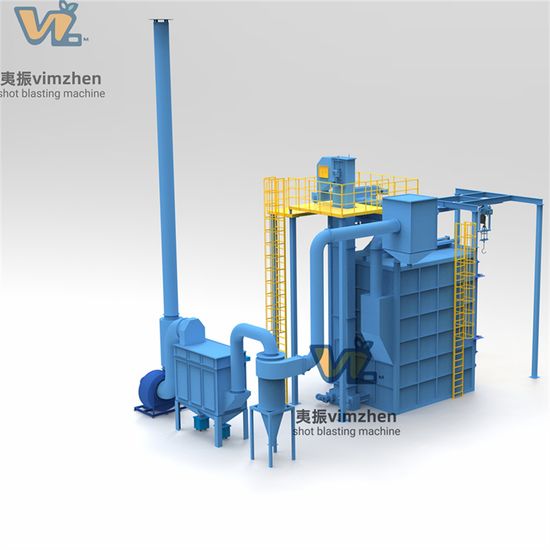
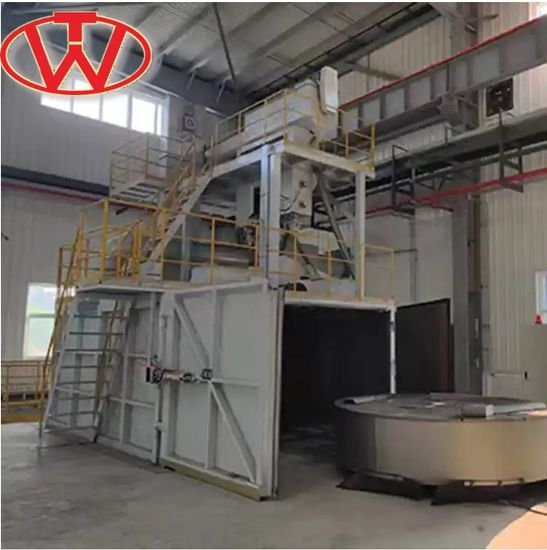
Shot Blasting Abrator for Shot Abrasive

Q326c Shot Blasting Abrator

Impeller Unit / Blasting Wheel Turbines/ Shot Blaster/Shot Peening / Wheel Abrator

Wheel of Abrator Hq034 with 15kw Motor

I have found results from400+products and200+suppliers aboutAbro


When sourcing high-performance adhesives like RTV Silicone or Epoxy, you must prioritize temperature resistance ranges (typically -50°C to +343°C for automotive use) and tensile strength. Ensure the chemical composition is sensor-safe and non-corrosive for automotive oxygen sensors. For spray lubricants, verify the penetration depth and moisture displacement capabilities to ensure long-term rust prevention.
Products must be accompanied by a valid MSDS (Material Safety Data Sheet) or SDS (Safety Data Sheet) to comply with the GHS (Globally Harmonized System). For shipments to the EU, ensure REACH compliance; for the US, check for VOC (Volatile Organic Compounds) limits set by CARB. Additionally, look for ISO 9001:2015 certification to ensure manufacturing consistency.
Request technical data on shelf-life stability, which should ideally be 12 to 24 months for unopened containers. Ask the supplier about storage temperature requirements (usually between 5°C and 25°C) to prevent premature curing or separation. High-quality suppliers on Made-in-China.com will provide batch-coded packaging to track production dates.
These products are primarily used in automotive repair (gasket making, engine sealing), industrial maintenance (thread locking, machinery lubrication), and construction (weatherproofing, heavy-duty bonding). For B2B buyers, it is critical to match the viscosity and curing time to the specific application, such as fast-curing epoxies for emergency repairs versus slow-curing silicones for large-scale assembly.
Chemicals are often classified as Dangerous Goods (DG). You must ensure the supplier provides a UN-rated packaging and a Certificate for Safe Transport of Chemical Goods. Failure to provide these can lead to customs seizures or significant fines at the port of entry. Always confirm if the product is classified as flammable or hazardous under IMDG (International Maritime Dangerous Goods) codes.
Focus on volume-based pricing tiers; for example, increasing an order from 500 to 2,000 units can often reduce the unit price by 15-20%. Negotiate for OEM/Private Labeling services, as many top-tier manufacturers offer custom branding for orders meeting a specific MOQ (Minimum Order Quantity). Request a sample kit first to verify the chemical efficacy before committing to a full container.
Utilize Secured Trading Services provided by Made-in-China.com to ensure payment is only released upon confirmation of shipment. Conduct a factory audit or hire a third-party inspector to verify the production capacity and quality control lab of the supplier. Ensure the Bill of Lading (B/L) matches the chemical descriptions on the MSDS exactly to avoid clearance delays.
Sea freight (LCL or FCL) is the most economical and standard method for chemicals. Air freight is possible but extremely expensive due to stringent airline safety regulations for liquids. For landlocked regions, consider multimodal transport (sea-to-rail). Always ensure the shipping agent is experienced in handling Class 3 (Flammable Liquids) or Class 9 (Miscellaneous Dangerous Goods) if applicable.