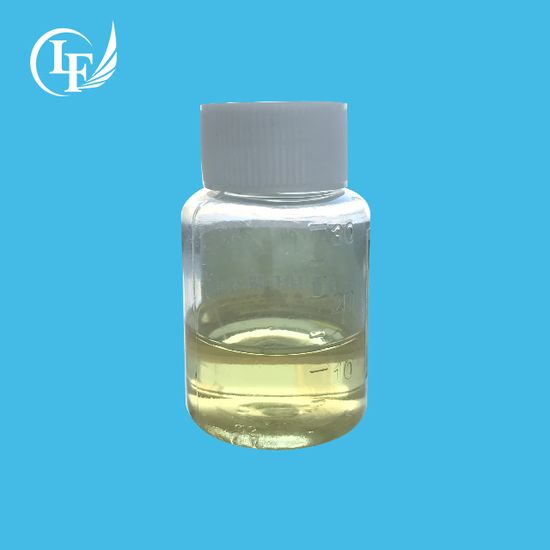
for Dyes and Fragrances, High-Quality Anisole (CAS 100-66-3)

Good Quality Anisole with CAS 100-66-3 for Organic Intermediate

High Quality Propylene Carbonate Solvent Powder CAS 108-32-7 Propylene Carbonate PC C4h6o3

I have found results from400+products and200+suppliers aboutAnisole


For B2B procurement, the purity level is the most critical factor, typically requiring ≥99.5% or ≥99.9% for pharmaceutical and fragrance synthesis. Key technical parameters include a refractive index of 1.516-1.518, a moisture content (water) of <0.05%, and a color scale (APHA) of ≤20. Buyers must request a Certificate of Analysis (COA) for every batch to ensure the absence of impurities like phenols or benzene derivatives.
As a flammable liquid (UN 2222, Class 3), Anisole must be accompanied by a Globally Harmonized System (GHS) compliant Safety Data Sheet (SDS). Suppliers should provide REACH registration for the EU market and ensure the product meets ISO 9001:2015 quality management standards. For use in the food or fragrance industry, verify FEMA/GRAS status or IFRA compliance.
Anisole is a volatile organic compound (VOC) and must be stored in a cool, well-ventilated area away from heat and oxidizers. Standard packaging includes 200kg galvanized iron drums or ISO tanks for large-scale shipments. Ensure the supplier uses nitrogen blanketing during packaging to prevent oxidation and maintain product stability during long-term transit.
The choice of grade depends on the end-use: Pharmaceutical grade is used as an intermediate for synthesizing guaiacol and expectorants; Fragrance grade requires high olfactory purity for perfumes and soaps; and Industrial grade is suitable for use as a high-boiling point solvent or in the production of dyes and pesticides. Always specify the application scenario to the supplier to receive the correct refinement level.
Anisole is classified as Dangerous Goods (DG). The primary risk involves customs delays or seizures if the maritime dangerous goods declaration is incorrect. Buyers must ensure the supplier has a License for Export of Hazardous Chemicals and uses IMDG-compliant packaging. Failure to declare it as a Class 3 Flammable Liquid can result in heavy fines and blacklisting by shipping lines.
Utilize secure payment methods and verify the supplier's credentials on Made-in-China.com. Look for Audited Suppliers who have undergone on-site inspections by third-party agencies like SGS or Bureau Veritas. It is highly recommended to use Trade Assurance services to protect your payment until the goods are confirmed to meet the agreed-upon specifications.
Chemical prices are often tied to raw material costs (e.g., phenol and methanol). Negotiate based on formula-based pricing or volume commitments. For orders exceeding 10 metric tons, seek a 5-10% discount compared to spot prices. Additionally, request a pre-shipment inspection (PSI) by a third party to verify quantity and quality before the final balance payment is made.
When shipping to the US or Europe, ensure the supplier is familiar with ISF filing and REACH/TSCA requirements. For sea freight, choose carriers experienced in tank container logistics to reduce the risk of leakage. Always confirm the Lead Time, which typically ranges from 15 to 30 days depending on production cycles and DG booking availability at the port of departure.