
Anti cut cloth factory manufacturers
I have found results from400+products and200+suppliers aboutAnti cut cloth factory


High-End Black Anti-Radiation Woven Cloth and Grass Cloth

Novel Anti-Aging Grass-Proof Cloth Special for Gardens

PP Material Grass Cloth with UV Resistance

Pomegranate Planting Environmental Protection Type Black Anti-Aging Weeding Cloth

Anti-Static Mop Cloth 50*70cm, Center Hole & Blue Patch
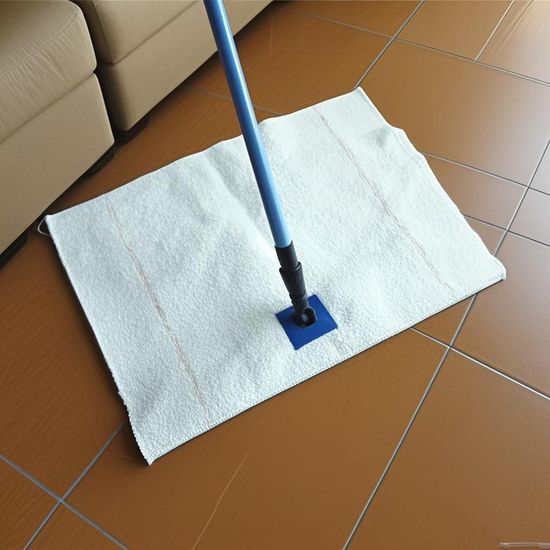
Reusable White Cotton Floor Mop Cloth

Needle-Punched Non-Woven Perforated Floor Mop Cloth with Hole 50*70cm

White Cotton Floor Cleaning Cloths with Hole Household Cleaning Towel Recycled Mop Cloth

Factory Offer Anti Oil Waterproof Fireproof Heat Insulating Laminated Fiberglass Aluminum Foil Cloth

Factory Offer Aluminum Foil Glass Fiber Cloth Roll Aluminium Foil Covered Fiberglass Insulating Cloth

High-Temperature Reflective Insulation Made From Aluminum Foil Laminated Onto Fiberglass Cloth

Fire Proof Thermal Insulation Heat Reflecting Fire Resistant Aluminum Foil Fiberglass Cloth

Anti -Roof Cloth for Garden

Prevent Weed Cloth with Different Sizes

Agricultural Ground Cloth with Precut Holes

Needle Punch Weed Mat Roll Ground Cover 100% Polypropylene Woven Fabric with UV

Factory Supply Dustless 50GSM 12 X 12 Inch 55 Wood Pulp 45 Polyester Enhanced Nonwoven Degreasing Industrial Cleaning Cloth

White Nonwoven Cleaning Cloth for Industrial Grease and Ink Removal

Nonwoven Lint-Free Cleaning Cloth

140GSM 9''x9'' LCD Wiping Cleanroom Wiping Cloth

Pharmaceutical Factory Anti-Static Filter Cloth with Stainless Steel Grid Pattern

1 to 10 Micron Anti-Static Filter Cloth Stainless Steel Grid for Fbd

Anti-Static with Stainless Steel Grid Patter Micron Filter Coth

Polyester Antistatic with Stainless Steel Grid Pattern for Air Filter Cloth

Class 100 Laser Cut Cleanroom Cloth with 100% Polyester Cleanroom Wiper

Blue SMT Stencil Cleaning Wiper Rolls Cleanroom Paper for Automatic Wiping

China Manufacturers High Quality 30X37cm Wiping Paper Roll Cleanroom Wiper

Wiping Roller Cellulose and Polyester Dust Free Cleanroom Paper
Sourcing guidance for Anti Cut Cloth Factory
What are the key technical specifications to consider when sourcing anti-cut cloth?
When evaluating anti-cut cloth, you must prioritize the material composition, typically involving UHMWPE (Ultra-High Molecular Weight Polyethylene), Para-aramid (Kevlar), or stainless steel wire blends. Pay close attention to the GSM (Grams per Square Meter), as higher density often correlates with better protection. Additionally, verify the blade cut resistance level according to international standards like EN388:2016 (Levels A1-A9 or 1-5) or ANSI/ISEA 105, ensuring the fabric meets the specific safety requirements of your end-use application.
How can I verify the quality and compliance of an anti-cut cloth factory?
A reliable factory should hold ISO 9001 certification for quality management systems. For the product itself, request third-party lab test reports (such as from SGS or TUV) that confirm the fabric's performance against EN388 or ASTM F2992-15 standards. If the cloth is intended for protective apparel, ensure the supplier complies with CE marking for the European market or NIJ standards if the material is used for ballistic/stab-resistant applications.
What are the common usage scenarios for different types of anti-cut fabrics?
UHMWPE-based fabrics are ideal for lightweight sports gear, cycling apparel, and industrial sleeves due to their high strength-to-weight ratio and moisture resistance. Aramid fabrics are better suited for high-heat environments like glass handling or metal fabrication because of their thermal stability. For extreme industrial protection, such as meat processing or heavy machinery handling, stainless steel reinforced knits provide the highest level of mechanical durability.
What customization options should a professional factory provide?
A professional manufacturer should offer OEM/ODM services, including customized widths, colors, and functional coatings (such as waterproof or anti-slip finishes). They should also be able to provide different knitting structures (e.g., jersey, interlock, or woven) to balance breathability and flexibility with protective performance based on your specific product design.
Cross-Border Procurement Risks and Strategies for Anti-Cut Materials
How can I mitigate the risk of receiving sub-standard protective materials?
Always request a pre-production sample and have it tested by an independent laboratory before authorizing mass production. Utilize Trade Assurance services on Made-in-China.com to protect your payment. Furthermore, consider hiring a third-party inspection agency to conduct a During Production Check (DUPRO) or a Final Random Inspection (FRI) to verify that the cut-resistance levels are consistent across the entire batch.
What are the best practices for negotiating with anti-cut cloth suppliers?
Focus on Total Cost of Ownership (TCO) rather than just the unit price. Negotiate based on volume tiers, as raw materials like UHMWPE are subject to market price fluctuations. Ask for a price breakdown including raw material costs, processing fees, and packaging. For long-term partnerships, seek favorable payment terms such as a 30% deposit and 70% balance against the Bill of Lading (B/L) to maintain cash flow.
What shipping and customs considerations apply to high-performance textiles?
Ensure the supplier provides the correct HS Code (typically under Chapter 59 or 60) to avoid customs delays or incorrect duty applications. Because these are technical textiles, some countries may have anti-dumping duties or specific import permits required for 'dual-use' materials. For shipping to the US or Europe, Sea Freight is most economical for bulk rolls, but ensure the packaging is vacuum-sealed or moisture-proof to prevent degradation during transit.
How do I ensure transaction security when dealing with new factories?
Conduct a factory audit or request a Verified Supplier report on Made-in-China.com to confirm the factory's physical existence and production capacity. Avoid using untraceable payment methods; instead, use secured bank transfers (T/T) or Letters of Credit (L/C) for large-scale industrial orders to ensure that the supplier adheres to the agreed-upon shipping schedule and quality benchmarks.