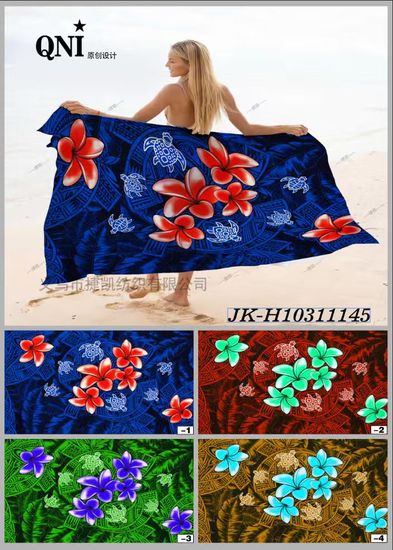
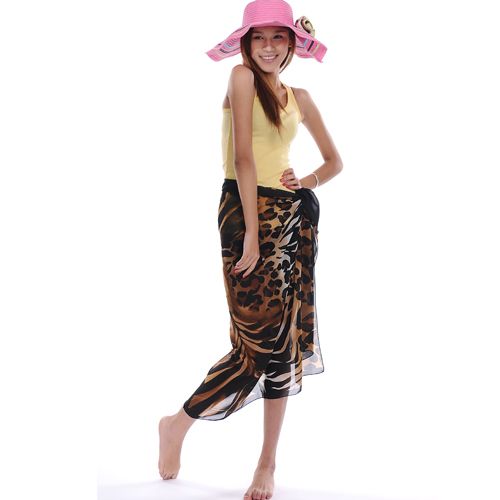
Hot Sale Thai Traditional Fabric Sarong Batik Sarong Thailand Textile Indonesia

Color Polyester African Garmen Malaysia Philippines Thailand Bali Sarong Custom Sarong

Traditional Sarong Fabric Southeast Asia Clothes Batik Sarung

I have found results from400+products and200+suppliers aboutBatik sarong suppliers


When sourcing Batik sarongs, the fabric base is the most critical factor; prioritize 100% combed cotton (40s or 50s yarn count) for breathability or Rayon/Viscose for superior drape. You must distinguish between Batik Tulis (hand-drawn), Batik Cap (hand-stamped), and Batik Printing. For B2B volume, Batik Printing offers the best color consistency and price point, while Batik Cap provides an authentic artisanal feel that justifies a higher retail margin. Ensure the fabric weight is between 100-130 GSM to balance durability with tropical comfort.
Batik involves intensive dyeing processes, so colorfastness (Grade 4 or higher) is essential to prevent bleeding during washing. Request ISO 105-C06 test reports from suppliers. Additionally, check for wax residue in handmade varieties and ensure the hemming/stitching uses a high density of 10-12 stitches per inch to prevent fraying. For high-end markets, verify that the dyes used are AZO-free to comply with international health standards.
For the US market, products must comply with CPSIA regulations regarding lead content in dyes and flammability standards (16 CFR Part 1610). For the EU, REACH compliance is mandatory to ensure no harmful chemicals are present. If you are marketing the products as 'Eco-friendly' or 'Artisanal,' look for suppliers with OEKO-TEX Standard 100 or GOTS (Global Organic Textile Standard) certifications to validate your brand claims.
Batik sarongs are versatile, serving as beachwear, spa uniforms, home decor (throws), or traditional attire. Suppliers on Made-in-China.com often provide OEM services, allowing you to customize patterns (logo integration), dimensions (standard 110cm x 180cm or custom XL sizes), and packaging (branded pouches). For the hospitality sector, focus on chlorine-resistant dyes if the sarongs will be used near swimming pools.
The most effective strategy is to request a pre-production sample (PPS) and a Golden Sample for reference. Use a third-party inspection service (like V-Trust or QIMA) to perform a During Production Check (DUPRO) and a Final Random Inspection (FRI). This ensures the pattern alignment and color shades match the approved sample before the final payment is released.
Focus on Total Cost of Ownership (TCO) rather than just the unit price. Negotiate based on volume tiers; for example, a 15-20% discount is often achievable when moving from 500 to 2,000 units. Discuss payment terms such as 30% deposit and 70% against the Bill of Lading (B/L) to protect your cash flow. Always confirm if the price includes export packaging to prevent moisture damage during sea freight.
For small trial orders (under 100kg), Air Express (DHL/FedEx) is fastest. However, for bulk Batik orders, Sea Freight (LCL or FCL) is significantly more cost-effective. Ensure the supplier uses moisture-proof PE bags for individual sarongs and double-walled corrugated boxes with a waterproof inner liner to protect the textiles from humidity and mold during long transit periods.
Always conduct transactions through secure payment channels provided by reputable platforms like Made-in-China.com, utilizing their Secured Trading Service. This acts as an escrow, ensuring funds are only released once you confirm receipt and quality. Avoid direct wire transfers (T/T) to private bank accounts and always verify the supplier's business license and audited shop status on the platform.