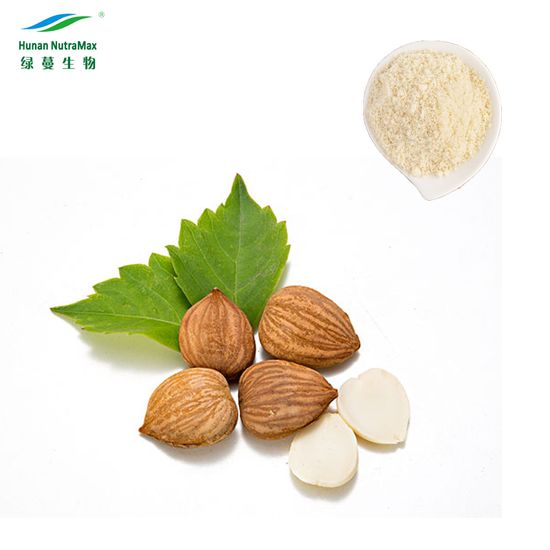
Nuts Peeled Bitter Almonds EU Standard

Wholesale EU Quality Peeled Bitter Almonds Apricot

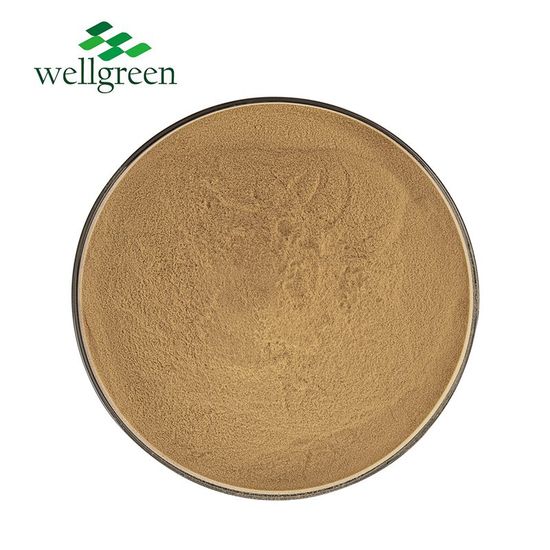
Natural Dried Bitter Almonds Bitter Apricot Kernel Whole or Powder for Plant Extraction Flavor Raw Material Bulk Supply

I have found results from400+products and200+suppliers aboutBitter almonds price


The price of bitter almonds is primarily driven by amygdalin content, moisture levels, and purity. High-quality bitter almonds should have a moisture content below 6% to prevent mold and ensure a long shelf life. Buyers should look for uniform size, intact skins, and the absence of shriveled kernels. The concentration of amygdalin (the active compound) is a critical pricing factor for pharmaceutical and cosmetic buyers, often requiring a COA (Certificate of Analysis) to verify potency.
Due to the presence of naturally occurring cyanogenic glycosides, bitter almonds are strictly regulated. Suppliers must provide Phytosanitary Certificates to ensure the product is pest-free. For food or medicinal use, compliance with ISO 22000 or HACCP food safety management systems is essential. Furthermore, ensure the product meets the aflatoxin limits set by the destination country (e.g., EU Commission Regulation or US FDA standards), as nuts are high-risk for mycotoxin contamination.
The price varies significantly between raw, blanched, or powdered bitter almonds. Raw, sun-dried almonds are generally the baseline price, whereas de-bittered (processed to remove cyanide) or steam-sterilized versions command a premium due to the additional energy and equipment costs. If you are sourcing for oil extraction, the oil yield percentage (typically 40-50%) will be a key negotiation point regarding the price-to-value ratio.
Bitter almonds are rarely consumed directly and are mostly used in pharmaceutical extraction (amygdalin/B17), cosmetic oil production, and as a flavoring agent in specific confectionery (after processing). For cosmetic grades, cold-pressed extraction compatibility is key. For industrial flavoring, the intensity of the benzaldehyde aroma is the primary metric. Always specify your end-use application to the supplier to ensure you receive the correct grade and price point.
The most significant risk is regulatory seizure due to high cyanide levels if the product is misclassified as 'sweet almonds.' Another risk is aflatoxin contamination during long-transit maritime shipping. To mitigate this, always use vacuum-sealed packaging or moisture-proof bags and insist on pre-shipment inspections (PSI) by third parties like SGS to verify quality before the final payment.
Focus on volume-based pricing tiers and long-term supply contracts. Since bitter almonds are a seasonal agricultural product, prices fluctuate; locking in a price during harvest season can save 10-20%. Ask for tiered discounts (e.g., 5 tons vs. 20 tons) and negotiate Incoterms—FOB is often more cost-effective if you have a reliable freight forwarder, but CIF may be safer for first-time buyers to ensure the supplier handles insurance.
Always conduct transactions through secured payment channels provided by professional platforms. Utilize Letter of Credit (L/C) for large bulk orders to ensure payment is only released upon presentation of valid shipping documents. For smaller trial orders, use Escrow-based services where the platform holds the funds until you confirm receipt and quality of the goods.
Bitter almonds are sensitive to temperature and humidity. Ensure the shipping container is ventilated and dry to prevent rancidity of the natural oils. For trans-continental shipping, request silica gel desiccant packs inside the packaging. Ensure all bags are clearly labeled with 'Not for Direct Consumption' (if raw) to comply with international safety labeling customs and avoid legal complications at the border.