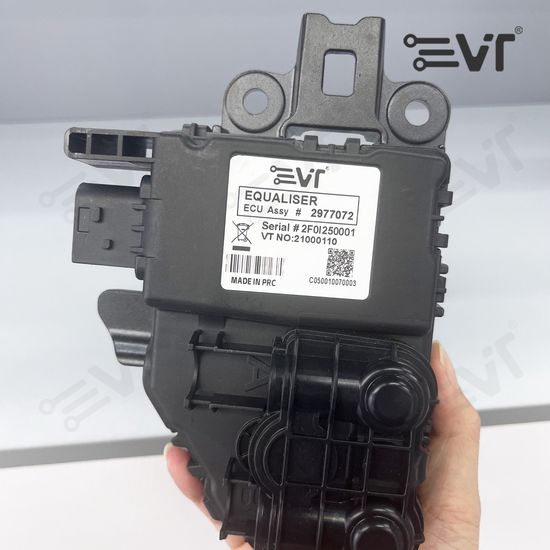
Coc Certifed BPW Suspension Parts Equalizer Germany Type

BPW Type Equalizer Beam Heavy Trailer Suspension Equalizer

Coc Certifed BPW Equalizer Germany Type

I have found results from400+products and200+suppliers aboutBpw equalizer


When sourcing a BPW-style equalizer, you must prioritize material grade and casting quality. Ensure the product is made from ductile iron (QT450-10 or higher) or forged steel to withstand heavy-duty stress. Key dimensions such as bushing inner diameter (typically 50mm or 60mm), center-to-center hole distance, and plate thickness must match your specific trailer suspension model (e.g., BPW 12T or 14T series) to ensure mechanical compatibility and load distribution balance.
As a critical safety component in trailer suspension systems, the BPW Equalizer should ideally meet ISO/TS 16949 or IATF 16944 quality management standards for the automotive industry. For European markets, check for CE marking or compliance with ECE R13 regulations. Buyers should request Material Test Reports (MTR) and SGS/TUV inspection certificates to verify the chemical composition and mechanical properties of the metal.
Durability is determined by the bushing material and surface treatment. High-quality equalizers use bronze or high-polymer nylon bushings with integrated grease grooves for superior lubrication. Ensure the metal surface has undergone electrophoretic painting (E-coating) or hot-dip galvanizing to provide at least 240-500 hours of salt spray resistance, preventing premature failure due to corrosion in harsh road environments.
BPW Equalizers are primarily used in multi-axle heavy-duty semi-trailers and tankers to balance the load between axles on uneven terrain. For maintenance, a bi-annual inspection of the center pin and bushings is recommended. If the clearance exceeds 2mm, the components should be replaced immediately to prevent uneven tire wear and chassis vibration.
The biggest risks are material substitution (using grey iron instead of ductile iron) and dimensional inaccuracies. To mitigate this, always request a pre-shipment sample and use third-party inspection services to verify the weight and hardness (Brinell scale) before the final balance payment is made.
Focus on Total Cost of Ownership (TCO) rather than just the unit price. Negotiate for extended warranties (typically 12-24 months) and ask for tiered pricing based on annual volume. For example, increasing an order from 100 to 500 units can often yield a 10-15% discount. Additionally, request the supplier to include replacement bushings and pins as part of a 'maintenance kit' at a discounted rate.
Due to the high weight-to-volume ratio, Sea Freight (LCL or FCL) is the most economical method. Ensure the supplier uses fumigated wooden pallets and VCI (Volatile Corrosion Inhibitor) plastic wrapping to prevent rust during long-term sea transit. For buyers in the Middle East or Africa, verify the HS Code (typically 8716.90) to calculate accurate import duties and VAT.
Utilize professional sourcing platforms like Made-in-China.com, which offer Audited Supplier reports and secured payment services. Prioritize suppliers with at least 5 years of export experience and those who have passed on-site factory audits to ensure they have the manufacturing capacity to meet your delivery deadlines.