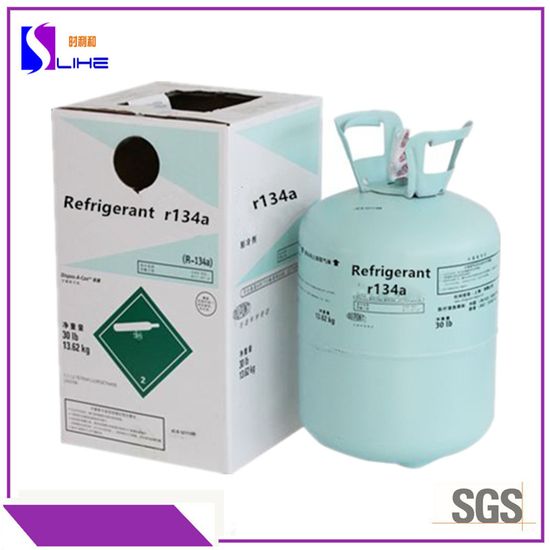
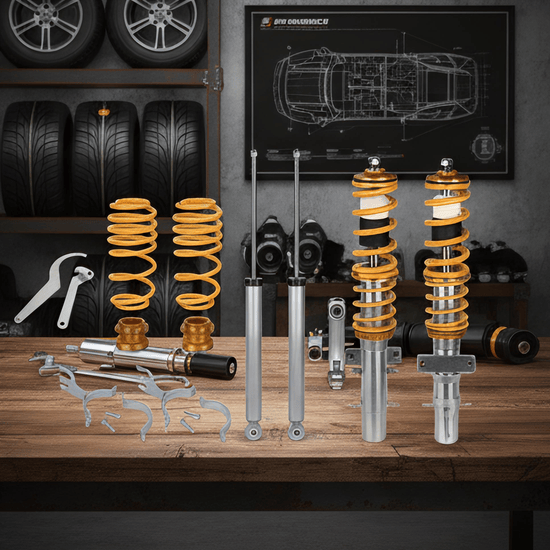
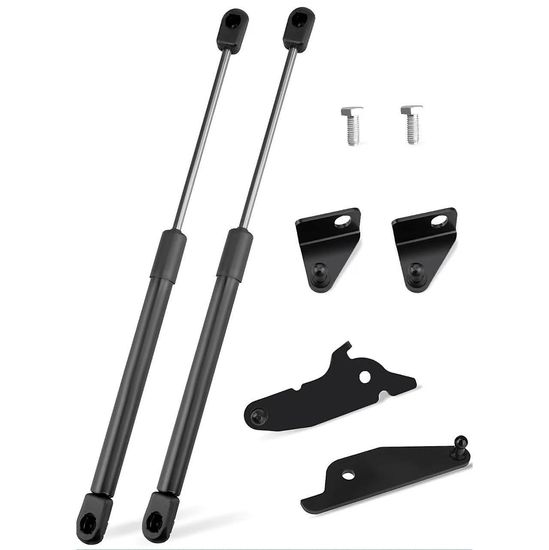
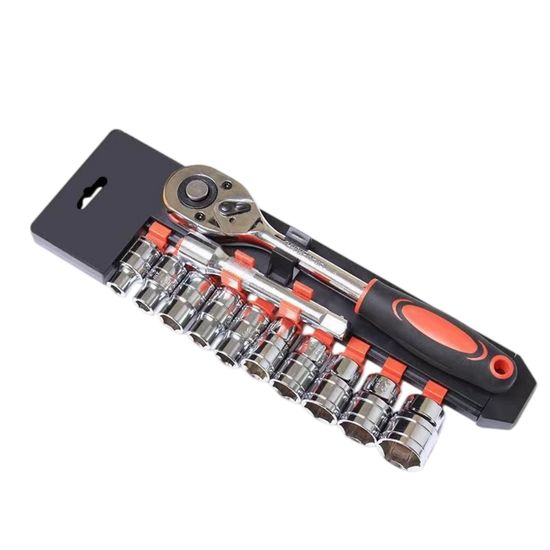
Gafle/OEM Car Care Product R134A, R407c. R600A Refrigerant Gas

Car Care Product R134A Wholesale 13.6kg High Quality Refrigerant Gas

Gafle/OEM Car Care Product R134A Manufactory Supply Refrigerant Gas

I have found results from1000+products and400+suppliers aboutCar gas kit


Selecting a car gas kit requires matching the system to the vehicle's engine technology. For older vehicles with carburetors, a Traditional Aspirated System is sufficient. However, for modern fuel-injected engines, a Sequential Injection System is mandatory to ensure engine performance and fuel efficiency. You must verify the ECU (Electronic Control Unit) compatibility with the vehicle's OBDII system to prevent 'Check Engine' lights and ensure seamless switching between petrol and gas.
Safety is the highest priority in gas conversions. Ensure all components, especially the high-pressure tank and regulator, comply with ECE R67-01 (for LPG) or ECE R110 (for CNG) international regulations. The gas cylinders must have a valid hydrostatic test certificate and be equipped with a Multivalve that includes an automatic shut-off, pressure relief valve, and an 80% filling limit sensor to prevent over-pressurization.
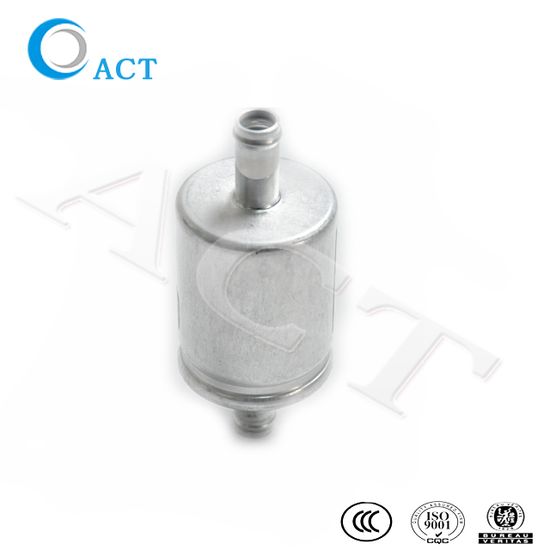
Focus on the Reducer (Regulator) capacity, which must match or exceed the engine's horsepower to prevent power loss at high speeds. High-quality Injector Rails with a fast response time (less than 2ms) are essential for smooth idling. Additionally, ensure the Gas Filter uses high-efficiency synthetic fiber to protect the injectors from paraffin and impurities commonly found in low-grade gas.
Calculate the Total Cost of Ownership (TCO) by factoring in the kit price, shipping of heavy cylinders, and local certification costs. Look for suppliers on Made-in-China.com that offer complete conversion bundles (ECU, Reducer, Injectors, Wiring, and Hoses) as buying components separately often increases compatibility risks and logistics costs. Bulk discounts typically start at 50-100 units, offering savings of 15-25%.
The main risks involve Customs Seizure due to lack of pressure vessel certifications and Shipping Restrictions. Gas cylinders are often classified as Dangerous Goods (Class 2), which requires specialized containers and higher freight costs. Always confirm that the supplier provides Material Safety Data Sheets (MSDS) and valid Pressure Vessel Certificates before the goods leave the port.
Request a sample kit for bench testing before committing to a bulk order. Negotiate for a warranty period of at least 12-24 months on electronic components like the ECU. Use Secure Payment Terms such as Letter of Credit (L/C) or trade assurance services provided by platforms like Made-in-China.com to ensure funds are only released upon verification of shipping documents.
Since cylinders are heavy and bulky, Sea Freight (FCL or LCL) is the most economical method. Ensure the supplier uses reinforced wooden pallet packaging to prevent valve damage during transit. For the electronic components, ensure they are vacuum-sealed or moisture-proofed to prevent corrosion during long sea voyages.
Check your local Department of Transport or Environmental Agency requirements. Many countries require a Certificate of Conformity (CoC) or specific local approvals (like ARAI in India or INMETRO in Brazil). Ensure the supplier can provide Original Equipment Manufacturer (OEM) software for tuning the kits, as locked software can render the kits useless in foreign markets.