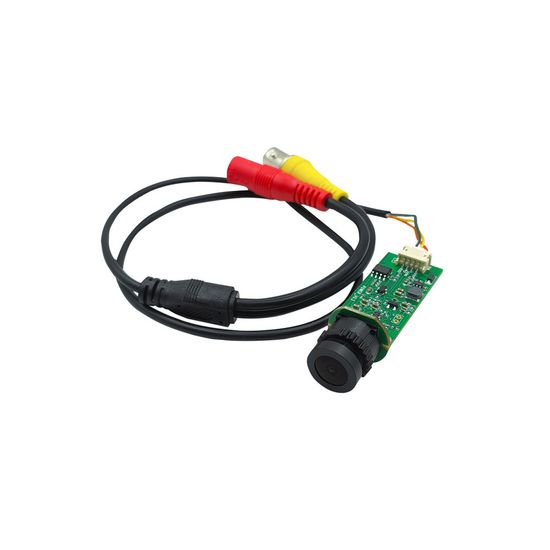
Bluetooth Board CCTV PCB Security Camera Module

CCTV Camera Module Wireless Board Security Camera Circuit Board

Embedded Camera Module CCTV Surveillance Board Security Camera Board

I have found results from400+products and200+suppliers aboutCctv camera board module


Buyers must prioritize the Image Sensor (e.g., Sony STARVIS, OmniVision) and the Digital Signal Processor (DSP) as they determine image clarity and processing speed. Key metrics include Resolution (typically 2MP to 8MP/4K), Minimum Illumination (Lux rating) for low-light performance, and Signal-to-Noise Ratio (SNR). Additionally, verify the Lens Mount compatibility (M12, CS, or C mount) and the Interface type (AHD, TVI, CVI, or IP/Network) to ensure it fits your housing and backend system.
Check the Output Protocol; for IP modules, ONVIF compliance is essential for interoperability with different NVR brands. For analog HD modules, ensure the Video Format (PAL/NTSC) and Transmission Technology match your DVR. Furthermore, confirm the Power Supply requirements (usually DC 12V) and Power Consumption to prevent overheating within enclosed housings.
To enter global markets, modules must adhere to CE (Europe), FCC (USA), and RoHS (Restriction of Hazardous Substances) standards. If the module is intended for specialized environments, look for IK10 (vandal-proof) or IP66/67 (waterproofing) ratings for the final assembly. For the North American market, checking for UL certification on the PCB components is highly recommended for insurance and safety compliance.
Look for modules supporting Wide Dynamic Range (WDR, preferably True WDR >120dB) to handle high-contrast lighting. Advanced features like H.265+ Compression significantly reduce bandwidth and storage costs. Additionally, modules with AI Integrated Circuits for human detection, face recognition, or perimeter protection offer higher value-add for modern security solutions.
Prioritize Audited Suppliers who have undergone third-party verification by firms like SGS or Intertek. Review their Business License, Export Experience, and Production Capacity. Requesting a Sample Order is a non-negotiable step to test the actual sensor performance and firmware stability before committing to a bulk purchase.
The primary risks include Component Substitution (using lower-grade sensors) and Electrostatic Discharge (ESD) damage during shipping. Mitigate these by specifying the exact sensor model number in the contract and requiring Anti-Static Packaging. Use Trade Assurance or secure payment terms to protect your funds until the goods are inspected.
Focus on Tiered Pricing based on volume; for example, a 10-15% discount is common when moving from 100 to 1,000 units. Negotiate for Long-term Technical Support and Firmware Customization (such as boot-up logo branding) rather than just the lowest price. Ensure the supplier provides a 12 to 24-month warranty on the PCBA.
Electronic modules are lightweight but fragile. Use Air Freight for smaller batches to minimize handling time and moisture exposure. Ensure the commercial invoice uses the correct HS Code (typically 8525.89) to avoid customs delays. For large orders, consider Sea Freight with moisture-proof desiccant packs inside the master cartons.