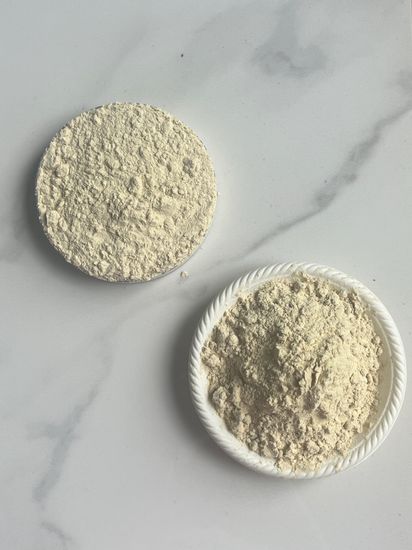
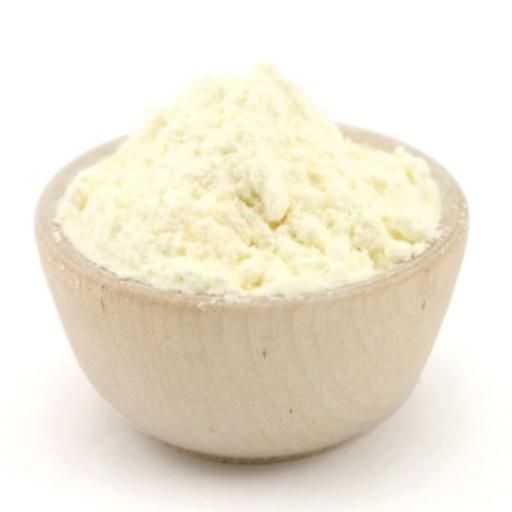
Single Cell Protein for Foods and Feeds

Msg Residue Single Cell Protein in Bulk Mycoprotein for Animal

Yeast Extracted Single Cell Protein with High Amino Acid Instead Soybean Meal

I have found results from400+products and200+suppliers aboutCell protein


When evaluating cell protein (such as recombinant proteins, lysates, or bioactive peptides), you must prioritize purity levels (typically >95% via SDS-PAGE or HPLC) and biological activity (ED50). For laboratory or industrial use, verify the expression system (e.g., E. coli, Yeast, or Mammalian cells) as this dictates post-translational modifications. Additionally, ensure the product is endotoxin-free (<0.1 EU/μg) to prevent interference in sensitive cell culture or formulation processes.
Suppliers should ideally hold ISO 9001 for quality management and ISO 13485 if the proteins are used in medical devices. For food-grade or supplement-grade cell proteins (like single-cell proteins), HACCP, GMP, and FDA registration are essential. Always request a Certificate of Analysis (CoA) and a Material Safety Data Sheet (MSDS) for every batch to ensure traceability and safety compliance.
Request lyophilization (freeze-drying) data if the protein is shipped in powder form, as this significantly enhances stability. Ask for accelerated stability testing reports and specific storage requirements (e.g., -20°C or -80°C). For liquid formats, confirm the use of stabilizers or carrier proteins like BSA, and ensure the supplier uses validated cold-chain packaging to prevent denaturation during transit.
Cell proteins are primarily utilized in biopharmaceutical research, diagnostic kit manufacturing (ELISA/Western Blot), and the burgeoning cultivated meat industry. They also serve as critical raw materials in cosmeceuticals for anti-aging formulations and in industrial fermentation as growth factors. Identifying your specific end-use helps the supplier recommend the correct molecular weight and folding structure.
The greatest risk is cold-chain rupture. You must stipulate the use of data loggers in every shipment to monitor temperature fluctuations in real-time. Use incoterms like DAP or DDP if you want the supplier to take more responsibility for the arrival condition. For reliable sourcing of specialized biochemicals, platforms like Made-in-China.com offer access to verified manufacturers who specialize in medical-grade logistics.
Focus on long-term supply agreements rather than one-off spot buys; manufacturers are more likely to offer 15-25% discounts for annual volume commitments. Negotiate for free replacement samples for R&D phases and request tiered pricing based on purity grades. Ensure the contract includes a quality discrepancy clause allowing for third-party lab re-testing if the protein activity fails to meet the CoA specs.
Always use secure payment gateways that offer escrow-like protection. Before transferring large sums, conduct a factory audit or hire a third-party inspector to verify the supplier's cleanroom facilities (Class 10,000 or higher). Cross-reference the supplier's export licenses specifically for biological agents to avoid customs seizures due to 'dual-use' or restricted biological material regulations.
Many countries require a Biological Import Permit. You must ensure the Harmonized System (HS) Code (commonly under Chapter 35 or 30) is accurately declared to avoid heavy fines. Be aware of Nagoya Protocol compliance if the protein is derived from specific genetic resources. Consult with a customs broker experienced in biotech clearance to navigate the specific sanitary and phytosanitary (SPS) measures of your target market.