Industrial Steel Structure Buildings Various Breeding Farms Chicken Coops Cowsheds Custom Truss

Vow-G Custom Egg Layer Chicken Farm House Turnkey Commercial Layer Farm Building

Construction Chicken Poultry Farm Breeder Steel Structural House

I have found results from800+products and300+suppliers aboutChicken house truss


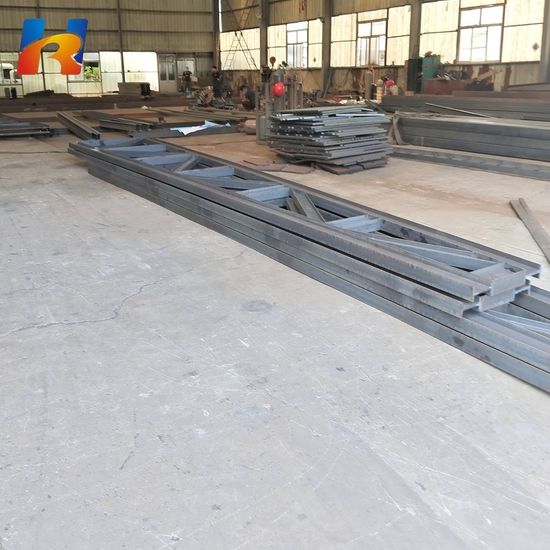
When sourcing chicken house trusses, the primary focus should be on structural integrity and corrosion resistance. You must ensure the trusses are made from Hot-Dip Galvanized Steel with a coating thickness of at least 275g/m² to withstand the highly corrosive ammonia-rich environment of a poultry farm. Additionally, verify the yield strength (e.g., Q235 or Q345 grade) and ensure the design accounts for local wind and snow loads to prevent structural collapse.
The truss design must facilitate the suspension of feeding, drinking, and ventilation systems. Ask the supplier for CAD drawings to confirm that the bottom chord of the truss can support the point loads of automated equipment. For large-scale operations, clear-span designs (12m to 18m) are preferred to eliminate interior columns, allowing for better airflow and easier manure removal.
Reliable suppliers should adhere to ISO 9001 for quality management and EN 1090 or AWS (American Welding Society) standards for welding quality. Since these are structural components, request Material Test Reports (MTRs) and Third-Party Inspection (TPI) reports from agencies like SGS or BV to verify steel grade and galvanization quality before shipment.
To optimize costs, prioritize Pre-fabricated Bolt-Connection Trusses over welded ones. Bolt-connection designs significantly reduce shipping volume, allowing more units per 40ft HQ container, and lower on-site labor costs as they do not require specialized welders for assembly. Always calculate the Total Cost of Ownership (TCO), including sea freight, import duties, and local crane rental for installation.
Implement a strict quality control protocol by requesting a pre-shipment trial assembly at the factory. The supplier should assemble one section of the truss to verify hole alignment and dimensions. Furthermore, use Trade Assurance services on Made-in-China.com to ensure that payment is only released when the products meet the agreed-upon technical specifications.
Negotiate based on steel weight and zinc coating thickness rather than just unit price. Professional buyers often use a formula-based pricing model linked to global steel indices (like the LME). For large projects, request tiered pricing where the price per ton decreases as the total volume increases, and aim for a 30% deposit / 70% against BL copy payment structure.
Steel trusses are prone to surface scratching and bending during transit. Insist on seaworthy packaging, including the use of steel strapping, wooden dunnage, and plastic wrapping for galvanized surfaces. Ensure the supplier provides a detailed Packing List and Loading Map to facilitate efficient unloading and inventory checks at the destination port.
Check for Anti-Dumping Duties (ADD) or Countervailing Duties (CVD) on steel structures in your specific country (e.g., Section 232 in the US). Ensure the supplier provides a Certificate of Origin (CO) and the correct HS Code (typically 7308.90) to avoid customs delays and ensure you benefit from any applicable Free Trade Agreements (FTAs).