SourcingAI

China security and safety system manufacturers

I have found results from400+products and200+suppliers aboutChina security and safety system

Sourcing guidance for China Security And Safety System

What are the core technical specifications to prioritize when selecting a security system?

When sourcing security systems, focus on High-Definition Resolution (minimum 4MP/2K) for cameras to ensure facial recognition clarity. For storage, prioritize H.265+ video compression technology to save bandwidth and disk space. Ensure the system supports AI-driven analytics such as human/vehicle detection to reduce false alarms. For alarm systems, verify dual-network redundancy (Wi-Fi + 4G/5G) to maintain connectivity during power or internet outages.

Which international compliance standards must Chinese security products meet?

Compliance is critical for legal entry and insurance validity. For the US market, ensure products are FCC certified and check for NDAA compliance if the project involves federal funding. For the EU, CE marking and RoHS are mandatory. For outdoor equipment, an IP66 or IP67 waterproof rating is essential, along with IK10 vandal-proof ratings for high-risk public areas.

How can I evaluate the integration capabilities of a security and safety system?

A professional system must support ONVIF (Open Network Video Interface Forum) protocols to ensure compatibility between different brands of cameras and NVRs. Check if the supplier provides a comprehensive SDK/API for integration with existing building management systems (BMS) or smart home platforms. Prioritize systems that offer centralized management software (CMS) capable of handling multiple sites simultaneously.

What are the typical usage scenarios for these systems?

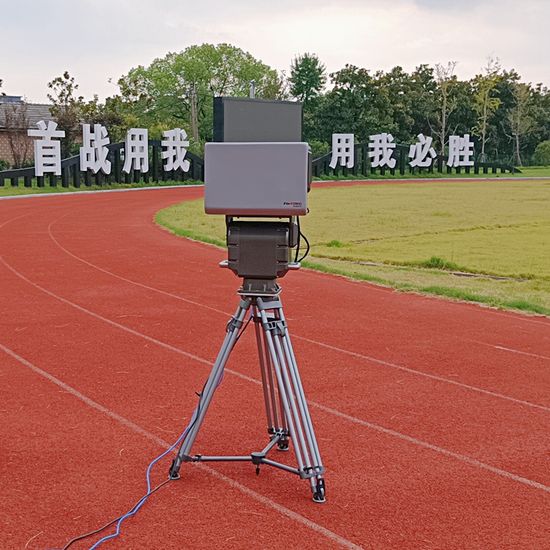
Security systems are categorized by environment: Residential systems focus on ease of use and mobile app integration; Commercial/Industrial systems require high-capacity storage, fire-linked alarm triggers, and perimeter protection; Public Safety systems demand advanced features like License Plate Recognition (LPR) and long-range thermal imaging for night surveillance.

Cross-Border Procurement Risks and Strategic Advice

How can I mitigate the risk of receiving substandard electronic components?

Always request a Pre-Shipment Inspection (PSI) conducted by a third party. Specifically, ask for a 'Burn-in Test' report, where the system is powered on for 24-48 hours to identify early-stage hardware failures. Use Made-in-China.com's Secured Trading services to ensure payment is only released after the quality is verified.

What are the key negotiation strategies for bulk security equipment orders?

Negotiate based on Total Cost of Ownership (TCO) rather than just the unit price. Ask for 1-2% free spare parts (such as power adapters or mounting brackets) to be included in the shipment. For long-term partnerships, negotiate for firmware customization (OEM logo on the software interface) which adds significant value to your local brand.

What should I consider regarding international shipping and logistics for sensitive electronics?

Security systems often contain Lithium batteries (in sensors or backup UPS) and magnets (in alarm contacts), which are classified as sensitive goods. Ensure the supplier provides the correct MSDS (Material Safety Data Sheet) and UN38.3 certification to avoid customs delays. For high-value electronics, Sea-Air combined transport or Express Couriers with insurance are recommended to balance cost and safety.

How do I ensure transaction security and data privacy compliance?

Verify that the supplier's cloud servers comply with GDPR (General Data Protection Regulation) if you are selling in Europe. Use Secure Payment Methods provided by reputable platforms like Made-in-China.com to protect your capital. Avoid direct wire transfers to private bank accounts; always ensure the beneficiary name matches the company name on the business license.

Related queries