SourcingAI

Coaches seat belt manufacturers

I have found results from500+products and200+suppliers aboutCoaches seat belt

Sourcing guidance for Coaches Seat Belt

What are the critical safety standards and certifications required for coach seat belts?

For international procurement, seat belts must comply with rigorous safety standards such as ECE R16 (UN Regulation) for the European market, FMVSS 209/302 for the United States, and CCC (China Compulsory Certification) for products sourced from China. Ensure the webbing meets ISO 3795 standards for flammability resistance and that the assembly can withstand a minimum tensile strength of 15kN to 22kN depending on the specific vehicle type.

How should a buyer evaluate the technical specifications of the retractor and buckle mechanisms?

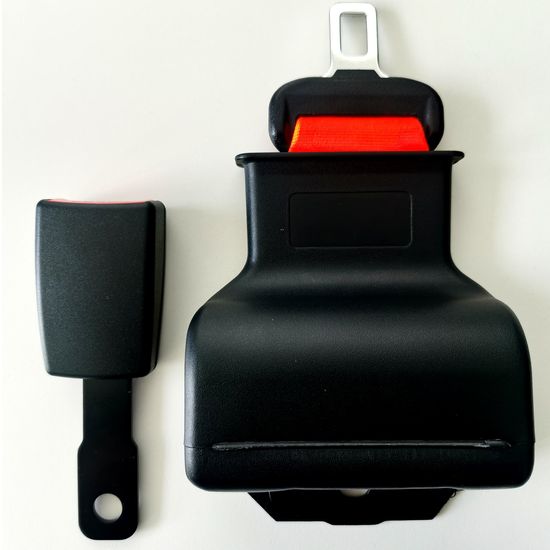
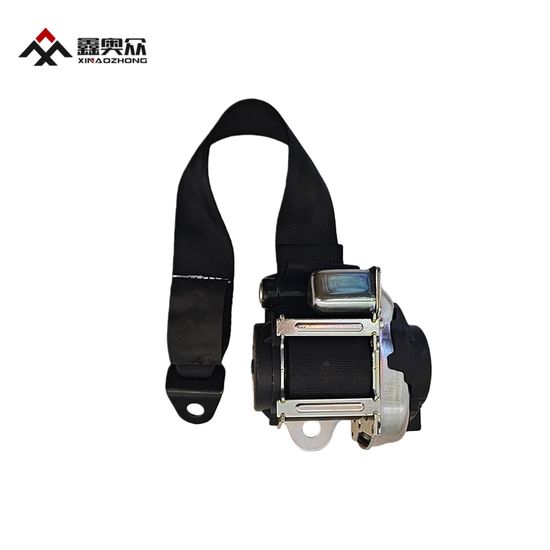
Prioritize Emergency Locking Retractors (ELR) which lock during sudden deceleration or impact. The buckle should feature a one-click release mechanism with an opening force between 40N and 60N to ensure it doesn't release accidentally but remains easy to operate in emergencies. For coaches, Automatic Locking Retractors (ALR) are often preferred for child restraint compatibility.

What material requirements are essential for long-term durability in high-occupancy vehicles?

The webbing should be made of high-tenacity polyester yarn, which offers superior UV resistance and minimal stretching compared to nylon. Look for a width of 46mm to 48mm. The metal components, such as the tongue and anchorages, must undergo salt spray testing (typically 96 hours or more) to ensure anti-corrosion performance in humid or coastal environments.

Are there specific customization options for coach bus applications?

Yes, B2B buyers should look for suppliers offering adjustable shoulder heights (D-rings) to accommodate different passenger sizes and integrated warning sensors (SBR - Seat Belt Reminder) that connect to the driver's dashboard. Custom webbing colors and logo printing on the buckle are also common for fleet branding.

Cross-Border Procurement Strategy & Risk Management

How can I verify the authenticity of safety certifications from overseas suppliers?

Always request original test reports from accredited third-party labs like SGS, TÜV Rheinland, or VCA. Cross-reference the certificate number on the issuing body's official website. For Chinese suppliers, verify their ISO/TS 16949 or IATF 16949 certification, which is the gold standard for automotive quality management systems.

What are the best practices for negotiating with automotive component manufacturers?

Focus on Total Cost of Ownership (TCO) rather than just the unit price. Negotiate for spare parts (0.5-1% extra buckles/tongues) to be included in the bulk price. For large orders, request a staggered payment schedule (e.g., 30% deposit, 60% after passing third-party pre-shipment inspection, 10% after arrival) to mitigate quality risks.

What shipping precautions should be taken for seat belt retractors?

Retractors contain pyrotechnic pretensioners in some advanced models, which may be classified as Class 9 Dangerous Goods. Ensure the supplier provides a Material Safety Data Sheet (MSDS) and uses appropriate UN-certified packaging. For standard mechanical retractors, ensure they are packed in moisture-proof VCI (Volatile Corrosion Inhibitor) bags to prevent rust during sea freight.

How can I ensure transaction security when sourcing from Made-in-China.com?

Utilize the Secured Trading Service provided by the platform to ensure payment is only released after you confirm receipt and quality. Prioritize Audited Suppliers who have undergone on-site inspections by independent verification agencies to confirm their production capacity and business legitimacy.

Related queries