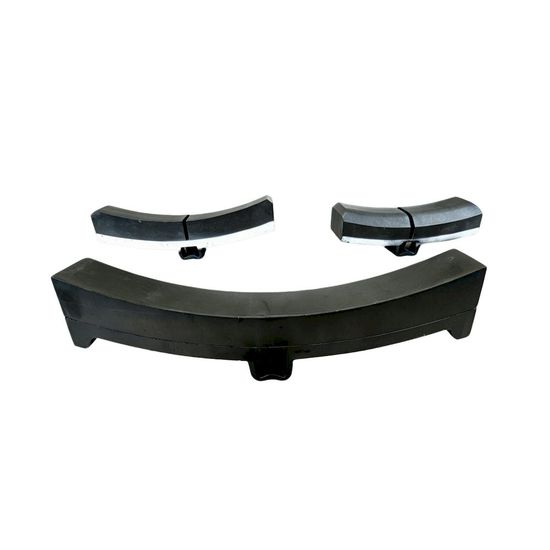
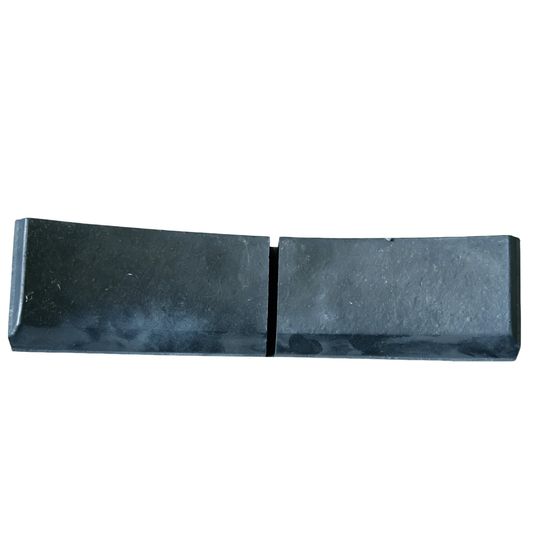
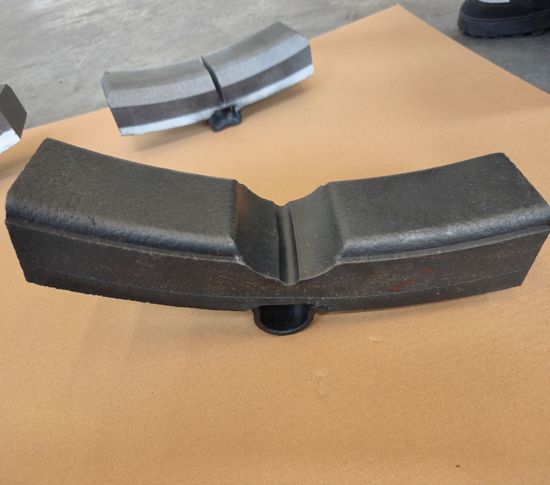
Composite brake block manufacturers
I have found results from400+products and200+suppliers aboutComposite brake block
Wholesale Customized Composite Material Railway Railroad Train Brake Block
US$13.00
1,000 Pieces(MOQ)
Sample AvailableReliable Impact Resistant OEM Custom Composite Railway Train Brake Block
US$13.00
1,000 Pieces(MOQ)
Wear Resistant Uic Composite Brake Block for Railway Wheel Tread Braking
US$13.00
1,000 Pieces(MOQ)
Impact Resistant Durable Customization Composite Chinese Railway Brake Block
US$13.00
1,000 Pieces(MOQ)
OEM Custom Composite Railway Train Brake Block for Locomotive Wheel Tread
US$13.00
1,000 Pieces(MOQ)
Custom Railway Composite Brake Block for Locomotive Wheel Tread Braking
US$13.00
1,000 Pieces(MOQ)
Custom Composite Brake Block for Locomotive Brake Shoe Manufacturing
US$13.00
1,000 Pieces(MOQ)
Easy Maintenance Reliable Operation Customizable Composite Railroad Brake Block
US$13.00
1,000 Pieces(MOQ)
Sample AvailableUic Steel Composite Train Brake Block for Railway Wheel Tread Protection
US$13.00
1,000 Pieces(MOQ)
Sample AvailableUic Railway Locomotive Composite Brake Block with Wear Resistance
US$13.00
1,000 Pieces(MOQ)
Durable Uic Composite Railway Brake Block for Train Friction Braking
US$13.00
1,000 Pieces(MOQ)
Sample AvailableDurable Composite Brake Block for Railway and Locomotive Applications
US$13.00
1,000 Pieces(MOQ)
Sample AvailableComposite Train Brake Block with Custom Manufacturing Service Options
US$13.00
1,000 Pieces(MOQ)
Sample AvailablePremium Train Brake Block with Composite Material for Longevity
US$13.00
1,000 Pieces(MOQ)
Sample AvailablePremium Railway Composite Brake Block for Optimal Stopping Power
US$13.00
1,000 Pieces(MOQ)
Sample AvailableDurable Composite Brake Block for High-Speed Train Systems
US$13.00
1,000 Pieces(MOQ)
Sample AvailableQuality Railway Composite Brake Block for Long-Lasting Durability
US$13.00
1,000 Pieces(MOQ)
Sample AvailablePremium Composite Brake Block for Reliable Railway Operations
US$13.00
1,000 Pieces(MOQ)
Sample AvailableReliable Composite Brake Block for All Railway Applications
US$13.00
1,000 Pieces(MOQ)
Sample AvailableReliable Railway Composite Brake Block for Modern Train Systems
US$13.00
1,000 Pieces(MOQ)
Sample AvailablePremium Railway Composite Brake Block for Long-Lasting Reliability
US$13.00
1,000 Pieces(MOQ)
Sample AvailableAdvanced Railway Brake Block with Superior Composite Materials
US$13.00
1,000 Pieces(MOQ)
Sample Available Sourcing guidance for Composite Brake Block
What are the key technical specifications to consider when selecting composite brake blocks for railway or industrial use?
When sourcing composite brake blocks, the most critical factor is the friction coefficient (μ), which must remain stable across varying speeds and temperatures. You should prioritize blocks with a high-friction (Hi-F) or low-friction (Lo-F) rating depending on your specific braking system requirements. Additionally, verify the thermal conductivity to ensure the block effectively dissipates heat to prevent thermal cracking of the wheel tread. Ensure the material composition is asbestos-free to meet modern environmental and health safety standards.
Which international compliance standards are mandatory for composite brake blocks?
For global trade, products must adhere to rigorous safety standards. For European markets, compliance with UIC 541-4 (International Union of Railways) is essential. For North American markets, look for AAR M-926 (Association of American Railroads) certification. If sourcing from China via Made-in-China.com, ensure the supplier holds ISO 9001:2015 for quality management and CRCC (China Railway Test & Certification Center) certification, which is a benchmark for high-performance railway components.
How does the service life of composite blocks compare to traditional cast iron blocks?
Composite brake blocks typically offer a service life 3 to 5 times longer than traditional cast iron blocks, significantly reducing maintenance downtime. They are also 75% lighter, which lowers unsprung weight and improves fuel efficiency. However, you must confirm the wear rate under wet and dry conditions; high-quality composites should maintain consistent performance even in extreme weather (-40°C to +50°C).
What are the typical usage scenarios and compatibility requirements?
Composite brake blocks are primarily used in freight wagons, passenger coaches, and locomotives. Compatibility is determined by the backplate design (typically steel) and the geometric dimensions (e.g., 250mm, 320mm, or 400mm lengths). Ensure the supplier provides CAD drawings to verify that the keyway and radius match your existing brake shoe holders to avoid installation failures.
Cross-Border Procurement Strategy & Risk Management
How can I mitigate quality risks when purchasing composite brake blocks from overseas suppliers?
Always request a Material Test Report (MTR) and a Third-Party Inspection (TPI) from agencies like SGS or Intertek before the balance payment. On Made-in-China.com, prioritize 'Audited Suppliers' who have undergone on-site verification. Requesting a sample for lab testing (specifically for hardness and shear strength) is a non-negotiable step to prevent the risk of 'material substitution' in bulk orders.
What are the best practices for negotiating pricing and MOQs with industrial manufacturers?
Since composite brake blocks involve specialized molds, MOQs (Minimum Order Quantities) usually range from 500 to 1,000 pieces. To optimize costs, negotiate based on Annual Purchase Volume rather than a single spot order to secure a 10-15% volume discount. Discuss Incoterms clearly; for heavy industrial goods, FOB (Free On Board) is often preferred as it allows the buyer to control the sea freight costs and logistics timeline.
What logistics and shipping precautions should be taken for these heavy components?
Composite brake blocks are high-density items. Ensure the supplier uses fumigated wooden pallets and heavy-duty steel strapping to prevent shifting during transit. Because they are susceptible to moisture-induced degradation over long sea voyages, insist on VCI (Volatile Corrosion Inhibitor) packaging or waterproof shrink-wrapping. For customs, ensure the HS Code (typically 860721) is correctly declared to avoid tariff penalties or clearance delays.
How do I ensure transaction security in a B2B cross-border environment?
Utilize Secured Payment services provided by reputable platforms like Made-in-China.com to ensure funds are only released upon confirmation of shipment. Avoid direct wire transfers to private accounts. Furthermore, ensure the Sales Contract includes a specific clause for Product Liability Insurance, which is vital for safety-critical components like braking systems.