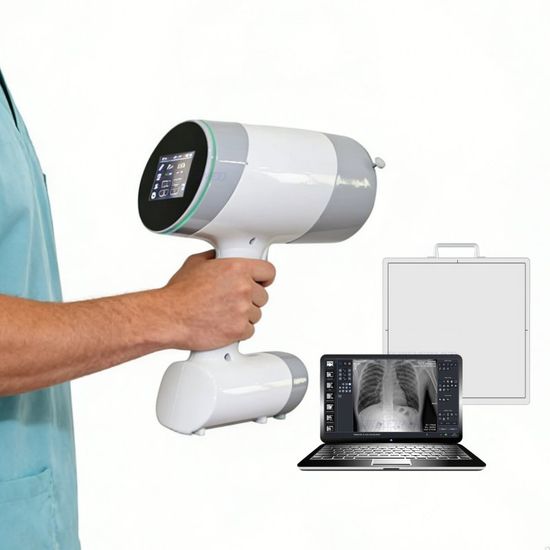
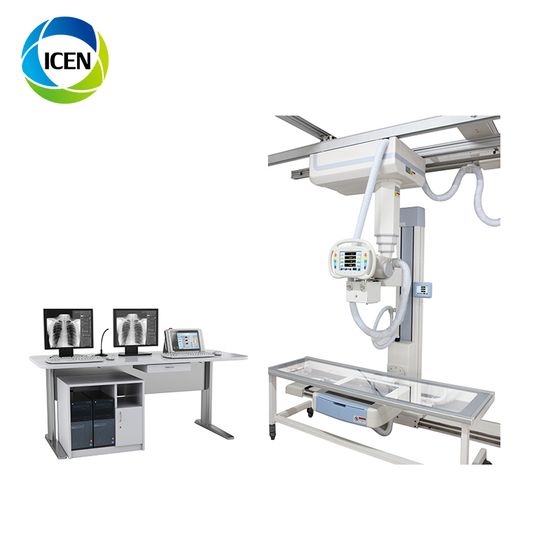
Conventional x-ray machine price manufacturers
I have found results from1000+products and200+suppliers aboutConventional x-ray machine price
Sourcing guidance for Conventional X-ray Machine Price
What are the key technical specifications that influence the price of a conventional X-ray machine?
The price is primarily driven by the generator power output (typically 32kW to 50kW), the heat capacity of the X-ray tube, and whether the system is analog or digital (DR). High-frequency generators are essential for stable radiation output and superior image quality. Additionally, the type of flat panel detector (CsI vs. Gadox) significantly impacts both the cost and the DQE (Detective Quantum Efficiency), which determines patient dose efficiency.
Which international compliance standards must a conventional X-ray machine meet for cross-border trade?
Suppliers must provide CE marking (Medical Device Directive/Regulation) for the European market or FDA 510(k) clearance for the United States. Furthermore, the manufacturer should hold ISO 13485 certification for medical device quality management systems. Ensure the product complies with IEC 60601-1 (electrical safety) and IEC 60601-2-54 (X-ray equipment safety) to avoid customs seizures and ensure clinical safety.
How do usage scenarios affect the selection and cost of X-ray equipment?
For high-volume hospitals, a floor-to-ceiling or ceiling-suspended tube stand with an automated tracking system is preferred for workflow efficiency, though it carries a higher price. For smaller clinics or rural health centers, a fixed-table analog system or a basic digital upgrade kit is more economically feasible. If the machine is intended for orthopedic or chest screenings, ensure the Bucky stand and table support the necessary weight capacity and range of motion.
What are the maintenance and longevity expectations for these machines?
A well-maintained conventional X-ray machine should have a lifespan of 10 to 15 years. Buyers should prioritize suppliers that offer modular components for easy replacement of the X-ray tube or collimator. Regular calibration of the generator and software updates for digital systems are critical. Always verify the availability of spare parts for at least 7-10 years post-purchase.
Cross-Border Procurement & Risk Management for Medical Imaging Equipment
What are the primary risks when importing X-ray machines from overseas?
The biggest risks include damage during transit and regulatory non-compliance. X-ray tubes are highly sensitive to vibration; therefore, vacuum-sealed wooden crate packaging with shock-absorber indicators is mandatory. Additionally, if the supplier does not provide the correct Radiation Safety Data Sheets or local import permits, the equipment may be held indefinitely at customs.
How can I negotiate the best price and terms with medical equipment suppliers?
Focus on the Total Cost of Ownership (TCO) rather than just the unit price. Negotiate for an extended warranty (2-3 years) and the inclusion of essential spare parts in the initial package. For bulk orders, aim for a 15-20% discount, and always request Incoterms 2020 CIF or DAP to ensure the supplier handles the complexities of international freight and insurance.
What security measures should be taken for large-scale medical transactions?
Use secure payment methods such as Irrevocable Letter of Credit (L/C) or trade assurance services provided by reputable platforms like Made-in-China.com. Never transfer full payment upfront; a standard structure is 30% deposit and 70% upon presentation of the Bill of Lading and a third-party pre-shipment inspection report (e.g., SGS or Bureau Veritas) to verify technical specs.
What are the requirements for shipping and installing X-ray machines in a destination country?
X-ray machines are classified as Class II or III medical devices and often require a Radiation Import License. You must ensure the destination site has lead-shielded walls (typically 2mm lead equivalent) as per local health department regulations. Confirm if the supplier provides remote installation guidance or if they have local service engineers to perform the final commissioning and radiation leakage tests.