SourcingAI

Distribution transformer manufacturers

I have found results from4000+products and1000+suppliers aboutDistribution transformer

Sourcing guidance for Distribution Transformer

What are the key technical specifications to consider when selecting a distribution transformer?

Buyers must prioritize rated capacity (kVA), voltage ratio (e.g., 11kV to 400V), and winding material (Copper vs. Aluminum). Copper windings offer superior conductivity and longevity, while aluminum is more cost-effective. Additionally, check the insulation class (Class A, F, or H) and the cooling method (ONAN for oil-immersed or AN for dry-type) to ensure the unit matches your environmental conditions.

How do I ensure the transformer meets international quality and safety standards?

Verify that the supplier adheres to IEC 60076 standards for power transformers or IEEE/ANSI C57 for North American markets. It is critical to request Type Test Reports from independent laboratories (like KEMA or CESI) covering short-circuit withstand capability, temperature rise, and lightning impulse tests. Ensure the manufacturer is ISO 9001 and ISO 14001 certified.

What is the difference between Oil-Immersed and Dry-Type transformers for B2B procurement?

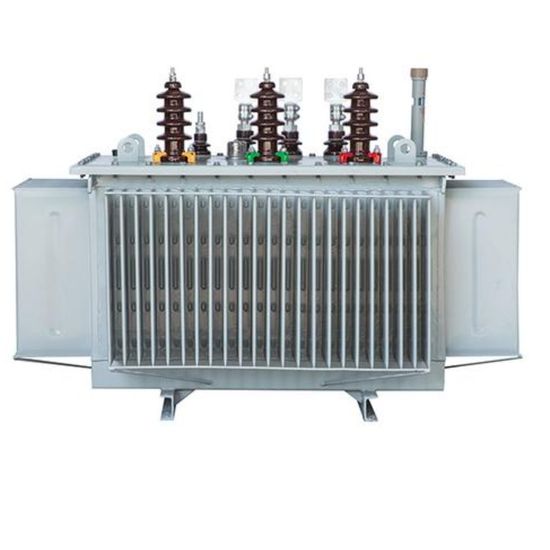
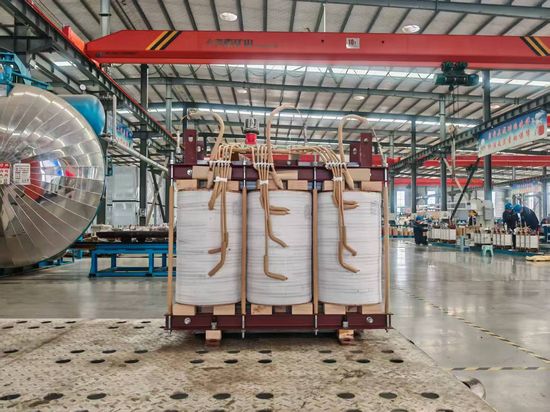
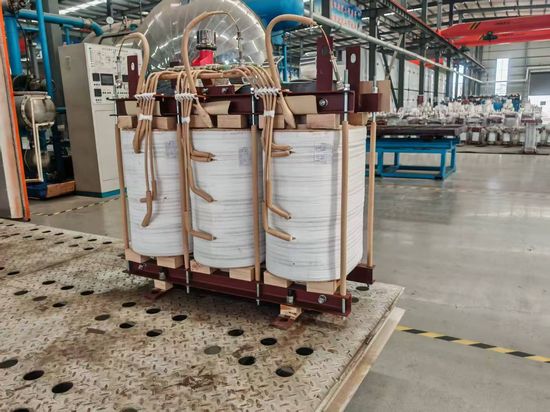
Oil-immersed transformers are generally cheaper and better for outdoor, high-voltage applications, but require regular oil maintenance and fire safety precautions. Dry-type transformers (Cast Resin) are fire-resistant, eco-friendly, and virtually maintenance-free, making them the preferred choice for indoor installations, hospitals, and high-rise buildings despite a higher initial price point.

How can I evaluate the energy efficiency and economic feasibility of a transformer?

Focus on No-Load Losses (Iron losses) and Load Losses (Copper losses). High-efficiency transformers, such as those using Amorphous Metal Cores, can reduce energy waste by up to 70% compared to silicon steel cores. Calculate the Total Ownership Cost (TOC) rather than just the purchase price, as energy savings over a 20-25 year lifespan often outweigh higher upfront costs.

Cross-Border Procurement Risks & Strategic Advice

How should I handle the logistics and shipping of heavy electrical equipment?

Distribution transformers are heavy and fragile. Ensure the supplier uses seaworthy vacuum packaging and moisture-proof nitrogen filling for oil tanks. Use impact sensors on the crates to detect rough handling during transit. For large orders, FOB (Free On Board) is recommended to maintain control over the shipping line and insurance, ensuring coverage for maritime perils and mechanical breakdown.

What are the best strategies for negotiating with industrial electrical suppliers?

Negotiate based on Total Order Volume and Long-term Partnership. Request a breakdown of the Bill of Materials (BOM) to understand the impact of raw material price fluctuations (like copper and steel). Demand a warranty period of at least 18-24 months and negotiate for 5-10% performance bond retention until the equipment is successfully commissioned on-site.

How can I ensure transaction security and supplier legitimacy?

Conduct a factory audit or hire a third-party inspector (like SGS or Intertek) to verify production capacity. When sourcing through Made-in-China.com, prioritize Audited Suppliers and use secured payment terms (such as L/C at sight) for large capital outlays. Never transfer full payments upfront; a standard 30% deposit and 70% against Bill of Lading (B/L) is common for reputable manufacturers.

What are the common pitfalls in international trade compliance for transformers?

Be aware of Anti-Dumping Duties on steel or electrical components in certain regions. Ensure the HS Code (typically 8504.21 or 8504.22) is correctly declared to avoid customs delays. Additionally, confirm that the vector group (e.g., Dyn11) and frequency (50Hz vs 60Hz) strictly align with the destination country's national grid code to avoid equipment incompatibility.

Related queries