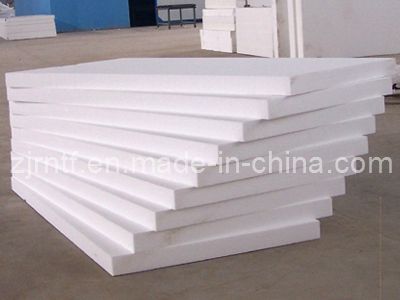
Expanded Polystyrene EPS Foam Block Geo Foam

Recyclable EPS Foam Blocks for Insulation and Packaging Industries

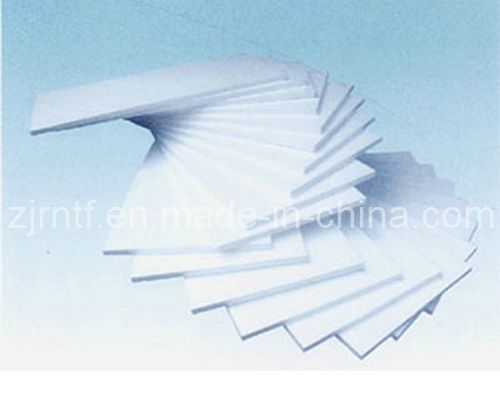
EPS Foam Blocks Building Material EPS Foam Expanded Polystyrene Foam Insulation Board

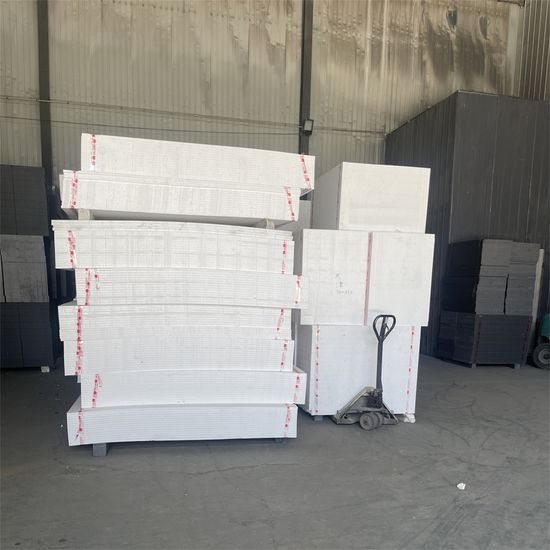
Styrofoam Blocks of EPS Blocks

I have found results from800+products and200+suppliers aboutEps foam block


The most critical factor is density, typically ranging from 10kg/m³ to 35kg/m³. Higher density blocks offer superior compressive strength and thermal insulation (R-value). You must also verify the flame retardant grade (e.g., B1 or B2 level according to DIN 4102) and the fusion rate, which ensures the beads are tightly bonded to prevent crumbling during cutting or construction.
Request certifications such as ASTM C578 (Standard Specification for Rigid, Cellular Polystyrene Thermal Insulation) for the US market or EN 13163 for the EU. Ensure the supplier provides a Material Safety Data Sheet (MSDS) and third-party test reports for thermal conductivity (k-value) and water absorption rates, which should ideally be below 2-4% by volume.
EPS blocks are highly versatile. They are primarily used for Geofoam in civil engineering (road embankments), thermal insulation panels for cold storage and buildings, protective packaging for heavy machinery, and architectural molds for CNC cutting. For construction projects, ensure the blocks are aged (cured) for at least 6-8 weeks to prevent post-installation shrinkage.
Yes, professional suppliers on Made-in-China.com offer customization in terms of dimensions (up to 6 meters in length), anti-static additives for electronics packaging, and graphite-enhanced EPS (Grey EPS) which provides 20% better insulation performance than standard white blocks.
The primary challenge is the high volume-to-weight ratio. Since EPS is 98% air, shipping costs can be prohibitive. To optimize, buyers should use High Cube (HC) containers and negotiate FOB terms to maintain control over freight. Additionally, consider sourcing from suppliers who offer compressed EPS or have vacuum-packing capabilities to reduce shipping volume.
Always utilize Trade Resources on Made-in-China.com and prioritize Audited Suppliers who have undergone on-site inspections. Use Secured Payment services to ensure funds are only released upon proof of shipment. For large orders, hiring a third-party inspector (like SGS or Intertek) to verify the density and dimensions before the container is sealed is highly recommended.
Avoid focusing solely on the lowest unit price. Low-cost EPS often suffers from poor bead fusion or recycled content contamination, which reduces structural integrity. Negotiate based on raw material market prices (Styrene monomer trends) and ask for volume-based discounts—typically 5-10% for full container loads (FCL).
Many regions are implementing plastic bans or recycling taxes. Check if your destination country requires a percentage of recycled content or specific waste disposal labeling. Ensure the supplier does not use CFCs or HCFCs during the blowing process to comply with global environmental protection protocols.