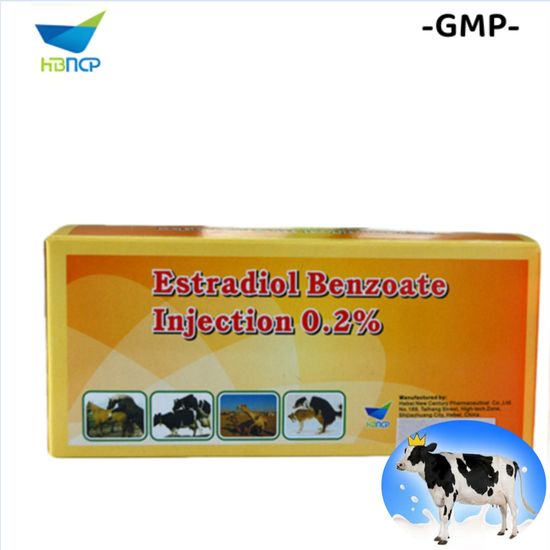
Estradiol benzoate injection manufacturers
I have found results from400+products and200+suppliers aboutEstradiol benzoate injection
Sourcing guidance for Estradiol Benzoate Injection
What are the primary usage scenarios and functions of Estradiol Benzoate Injection in a B2B context?
Estradiol Benzoate Injection is primarily used in veterinary medicine and animal husbandry to regulate the reproductive cycle. Its key functions include inducing estrus in livestock (such as cattle, pigs, and sheep), treating retained afterbirth, and managing uterine inflammation (metritis). For pharmaceutical distributors, it is essential to verify if the product is intended for veterinary use (API or finished dosage) or human clinical applications, as the regulatory pathways differ significantly.
What technical specifications and quality standards should buyers prioritize?
Buyers must ensure the product complies with international pharmacopoeia standards such as USP (United States Pharmacopeia), BP (British Pharmacopeia), or EP (European Pharmacopoeia). Key technical parameters include a purity level of ≥98%, strict sterility (microbial limits), and endotoxin control. The concentration (e.g., 2mg/ml or 5mg/ml) and the carrier oil type (such as tea seed oil or ethyl oleate) should be clearly defined to ensure stability and biocompatibility.
What are the critical compliance and certification requirements for importing this product?
As a regulated pharmaceutical/hormone product, suppliers must provide a GMP (Good Manufacturing Practice) certificate. For cross-border trade, a Certificate of Analysis (COA) for every batch is mandatory. Depending on the destination country, you may also require a Free Sale Certificate (FSC) or a Product Data Sheet (PDS). Ensure the manufacturer is registered with the relevant local health or agricultural authorities to avoid customs seizure.
How should the stability and packaging of the injection be evaluated?
Estradiol Benzoate is light-sensitive; therefore, it must be housed in amber glass ampoules or vials to prevent degradation. The packaging should feature tamper-evident seals and clear labeling including batch numbers, manufacturing dates, and expiry dates. For bulk shipping, temperature-controlled logistics (typically 15-30°C) are recommended to maintain the chemical integrity of the hormone solution.
Cross-Border Procurement & Risk Management for Hormonal Injectables
What are the common risks in purchasing hormonal injections internationally?
The most significant risks include customs rejection due to lack of proper medical import licenses and product degradation during transit. Hormones are highly regulated substances; importing them without a valid import permit for controlled substances can lead to legal complications. Additionally, counterfeit products are a risk, so buyers should perform third-party lab testing (e.g., SGS or Intertek) before final payment.
What strategies should be used when negotiating with pharmaceutical suppliers?
Focus on long-term quality consistency rather than just the lowest price. Request stability test reports and ask for a trial batch (small MOQ) to verify the efficacy and documentation flow. Negotiate for staggered payments where the final balance is paid only after the COA is verified by an independent laboratory. For large orders, seek exclusivity clauses or tiered pricing based on annual volume.
How can transaction security be ensured for high-value pharmaceutical orders?
Utilize secure payment methods and trade assurance services provided by reputable platforms like Made-in-China.com. Avoid direct wire transfers to unknown accounts. Ensure the Proforma Invoice (PI) explicitly states the pharmacopoeia standard and the shelf-life guarantee (usually at least 24 months). Using an Escrow service ensures that funds are only released once the shipping documents and quality certificates are confirmed.
What are the specific shipping and logistics requirements for this product?
Estradiol Benzoate Injection is often classified under HS Code 300439 (Medicaments containing hormones). Shipping must comply with IATA Dangerous Goods Regulations if the carrier oil or concentration triggers specific classifications. Always use professional chemical freight forwarders who understand the documentation required for customs clearance of medical supplies, and ensure the cargo is insured for its full replacement value.