
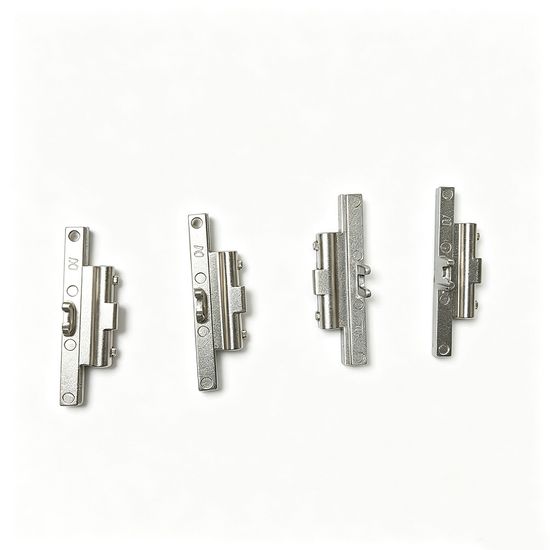
Custom Metal Injection Molded Eyewear Hinges for Optical Frames

Stainless Steel MIM Phone Eyewear Hinges for Luxury Sunglasses Frames

MIM Custom Metal Hardware Accessory Pivot Hinge for Bluetooth Earbud

I have found results from10000+products and2000+suppliers aboutEyewear case hinge


When sourcing hinges, the material composition is paramount; stainless steel or high-grade nickel silver are preferred for their corrosion resistance and structural integrity. You must verify the opening angle (typically 90°, 180°, or custom spring-loaded) to ensure it matches your case design. Additionally, pay close attention to the surface treatment, such as electroplating or vacuum plating, to prevent rusting and ensure a premium aesthetic finish that lasts over 2 years of frequent use.
Request a Cycle Test Report from the supplier; a high-quality eyewear hinge should withstand a minimum of 10,000 to 20,000 opening/closing cycles without loosening or breaking. Furthermore, ensure the product has passed a Salt Spray Test (usually 24-48 hours) to guarantee it won't corrode during maritime shipping or in humid retail environments. For spring hinges, check the tension consistency to ensure a smooth, 'snappy' feel across the entire batch.
For the EU market, hinges must comply with REACH regulations regarding lead and nickel release to ensure they are skin-safe. For the US market, adherence to CPSIA standards for heavy metal content is essential. Always ask the supplier for RoHS certification to confirm the absence of hazardous substances in the metal alloys and plating chemicals used during production.
You must determine if your production line requires hidden (recessed) hinges, surface-mounted hinges, or riveted hinges. Hidden hinges offer a cleaner look for high-end leather or plastic cases but require precise CNC milling on the case body. If you are looking for cost-efficiency, universal surface-mount hinges are easier to install but may require specific welding or gluing compatibility with your case material (e.g., metal vs. plastic).
The primary risk is dimensional variance. A discrepancy of even 0.1mm can render a hinge useless for automated assembly. To mitigate this, require a Golden Sample for approval and mandate a Pre-Shipment Inspection (PSI) where a third party measures critical dimensions using digital calipers. Another risk is batch inconsistency in plating color; ensure the contract specifies a Pantone or RAL color match for finished goods.
Focus on Tiered Pricing; since hinges are small and high-volume, the price difference between 5,000 and 50,000 units is significant. Negotiate for free mold customization if your annual volume exceeds a certain threshold. For long-term cooperation, request 30/70 payment terms (30% deposit, 70% after passing inspection but before shipment) to maintain leverage over quality control.
Because hinges are dense and heavy, Sea Freight (LCL) is most economical for large volumes, but for urgent production needs, Air Express (DHL/FedEx) is viable. Ensure the supplier uses moisture-proof packaging, such as vacuum-sealed bags with desiccant silica gel, and reinforced double-wall corrugated cartons to prevent the weight from bursting the packaging during transit.
Utilize Secured Trading services on Made-in-China.com to protect your payment until delivery is confirmed. Check the latest HS Code (typically 8302.10) for hinges to determine the exact import duties and tariffs in your country. Ensure the Certificate of Origin is provided to take advantage of any bilateral trade agreements that might reduce your tax liability.