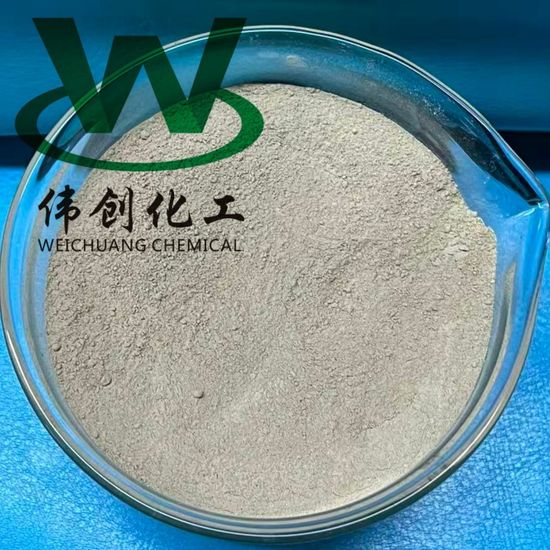
38%Min Ferrous Carbonate for Industry Grade Feco3 CAS: 563-71-3

Ferrous Carbonate Price Feco3 Iron Carbonate

High Quality Ethylene Carbonate with Good Price

I have found results from400+products and200+suppliers aboutFerrous carbonate


When sourcing Ferrous Carbonate (FeCO3), the primary focus should be on the Iron (Fe) content, which typically ranges from 38% to 42% in high-quality technical grades. Buyers must verify the purity levels and ensure that heavy metal contaminants (such as Lead, Arsenic, and Cadmium) are well below the safety thresholds defined by ISO or local environmental standards. For animal feed applications, ensure the product is Feed Grade and free from harmful impurities that could affect livestock health.
The application dictates the required specs: for animal feed additives, particle size (mesh) is critical for homogeneity in mixing; for oil drilling (H2S scavenger), the reactivity rate and solubility in specific fluids are paramount. Always request a Certificate of Analysis (COA) that details the moisture content (ideally <1%), bulk density, and particle size distribution to ensure compatibility with your existing production processes.
As a chemical product, Ferrous Carbonate must be accompanied by a comprehensive Material Safety Data Sheet (MSDS) or Safety Data Sheet (SDS). For international trade, ensure compliance with REACH (for EU markets) or TSCA (for US markets). If used in agriculture or feed, look for FAMI-QS or ISO 22000 certifications to guarantee food chain safety and traceability.
Ferrous Carbonate is sensitive to oxidation and moisture. It should be packed in moisture-proof, UV-protected PP/PE bags (typically 25kg or 1000kg jumbo bags). To prevent the conversion of Ferrous (Fe2+) to Ferric (Fe3+) iron, which reduces efficacy, the product must be stored in a cool, dry, and well-ventilated warehouse away from oxidizing agents.
The most significant risks include quality inconsistency between samples and bulk orders and logistical delays due to the classification of chemicals. To mitigate this, use third-party inspection services (like SGS or Intertek) to perform pre-shipment testing. Ensure the supplier is verified on Made-in-China.com to reduce the risk of fraudulent transactions.
Negotiations should focus on volume-based pricing tiers and long-term contract stability, as chemical prices fluctuate with raw material costs. Request tiered discounts (e.g., 5-10% off for 20ft container loads) and negotiate flexible payment terms such as Letter of Credit (L/C) or Trade Assurance to protect your capital until the goods pass inspection.
Ferrous Carbonate is generally classified under HS Code 283699. Ensure the supplier provides a Certification for Safe Transport of Chemical Goods to avoid customs seizures. For sea freight, confirm the Incoterms (FOB vs CIF); given the weight of minerals, ocean freight volatility can significantly impact the Total Cost of Ownership (TCO).
Always conduct transactions through secure payment channels and prioritize suppliers with a high audit rating on Made-in-China.com. Verify the supplier's business license and export permits specifically for chemical substances to ensure they are a legitimate manufacturer rather than an unregulated middleman.