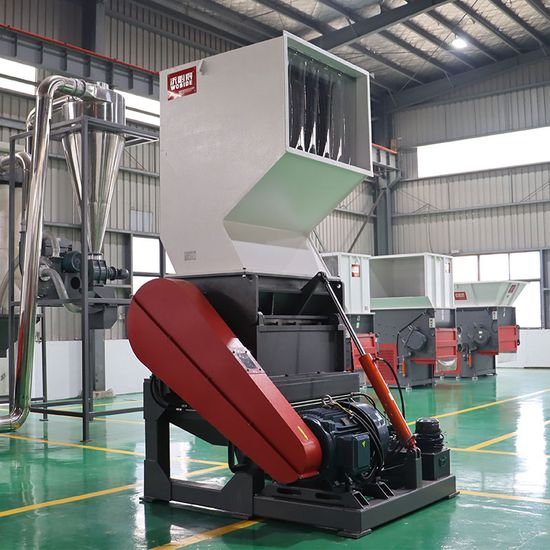
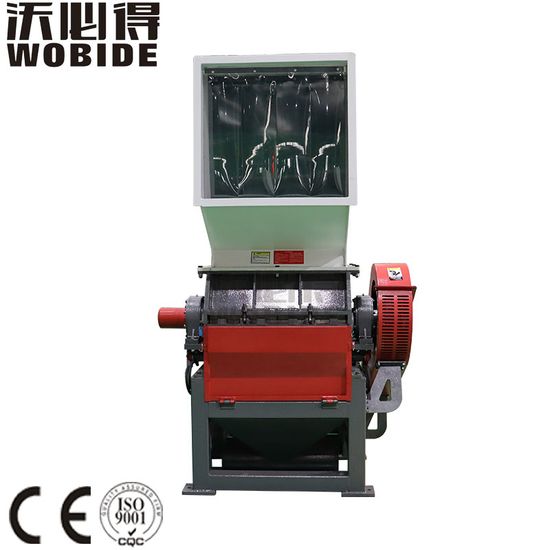
Industrial Coconut Brown Husk Grinder Coconut Fiber Removing Machine

Factory Direct Coconut Rough Fiber Grinder Coconut Surface Polishing Machine

Multi Function Compact Electric Farm Coconut Fiber Grinder Coconut Skin Removing Machine

I have found results from9000+products and2000+suppliers aboutFiber grinder machine


When evaluating a fiber grinder, you must prioritize the motor power (kW) and rotational speed (RPM), as these directly impact the throughput and fineness of the output. For industrial applications, look for machines with hardened alloy steel blades or tungsten carbide cutters to ensure longevity against abrasive fibers. Additionally, verify the screen mesh size options (typically ranging from 2mm to 20mm) to ensure the machine can produce the specific particle size required for your downstream processes.
For B2B buyers, ensuring the machine carries a CE Marking is essential for the European market, while UL or ETL certification is preferred for North America. Specifically, the machine should comply with ISO 12100:2010 for machinery safety and IEC 60204-1 for electrical safety. Always request a Noise Level Test Report, as industrial grinders can exceed 85dB, necessitating integrated sound insulation enclosures or specific PPE for operators.
Natural fibers like jute or cotton require high-speed impact grinding to prevent clogging, whereas synthetic fibers (like carbon fiber or glass fiber) generate significant heat. For synthetics, you must select a machine equipped with a water-cooling system or air-cooling jacket to prevent the material from melting or degrading. For hazardous fibers like asbestos or fine carbon dust, a HEPA-filtered dust collection system and explosion-proof motors (ATEX certified) are non-negotiable requirements.
A professional sourcing strategy includes verifying the availability of wear parts, specifically blades and screens. Top-tier suppliers should provide a maintenance schedule that includes daily lubrication of bearings and weekly blade sharpening/gapping checks. Ensure the supplier offers modular spare parts kits to minimize downtime, as the abrasive nature of fiber grinding leads to higher-than-average component wear compared to plastic granulators.
Before finalizing the contract, explicitly state the Voltage (V), Phase (Ph), and Frequency (Hz) of your destination country (e.g., 480V/3Phase/60Hz for the US). Request a video of the factory testing the machine using a transformer to match your local power grid. Failure to do this often results in motor burnout or the need for expensive local electrical retrofitting.
Prioritize suppliers with the 'Audited Supplier' badge. Review their Audit Report to check their actual factory floor space, production capacity, and the presence of a Quality Control (QC) department. It is highly recommended to use Trade Assurance or Escrow services to ensure payment is only released after the Bill of Lading (B/L) is issued and verified.
Insist on vacuum-sealed plastic wrapping to prevent rust during sea transit, followed by reinforced wooden crate packaging (IPPC heat-treated). For large fiber grinders, ensure the machine is bolted to the base of the crate to prevent shifting. Request that the supplier provides photos of the loading process into the container to ensure proper bracing and lashing were used.
Consult with a licensed customs broker to identify the correct HS Code (typically under 8479.82 for mixing/kneading/crushing machinery). Be aware of Anti-Dumping Duties or specific trade tariffs (like Section 301 in the US) that may apply. Ensure the supplier provides a Certificate of Origin (CO), which may qualify you for Preferential Tariff Rates under specific Free Trade Agreements.