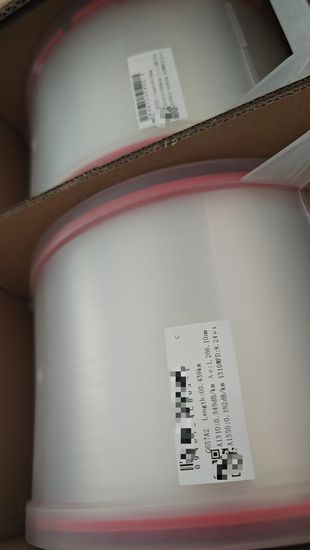
Fiber Optic Telecom Textile Innerduct Conduit Cable Fabric

FTTH Fabric Innerduct for Telecom Fiber Optic Cable Deployment

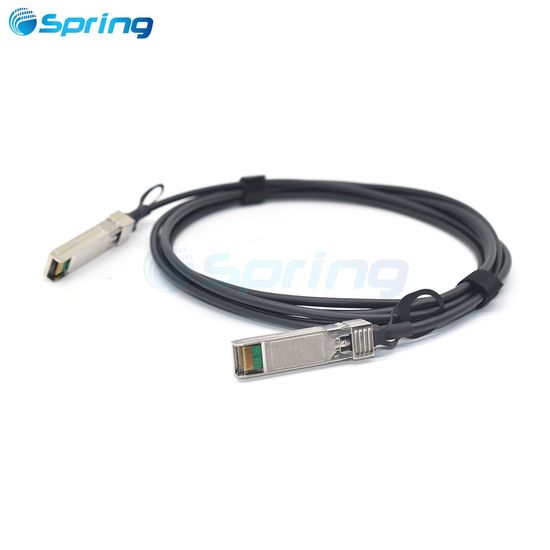
Fiber Transceiver SFP Module 10GB/S SFP+ to SFP+ 24AWG Dac Cable

I have found results from400+products and200+suppliers aboutFiber optic fabric


When purchasing fiber optic fabric, you must prioritize the PMMA (Polymethyl Methacrylate) fiber diameter, typically ranging from 0.25mm to 0.5mm, as this affects the fabric's flexibility and light distribution. Ensure the base textile is a high-quality polyester or nylon blend to provide structural support. Additionally, verify the light source type (RGB LED) and the battery capacity (typically 3.7V 500mAh to 1000mAh) to ensure a continuous glow time of at least 6-8 hours on a single charge.
Fiber optic fabrics are delicate; therefore, you must confirm the IP waterproof rating (ideally IP67 for the light modules). Buyers should look for fabrics that support gentle hand washing (after removing the battery pack) and avoid machine drying or ironing, which can snap the optical fibers. Ask suppliers for tensile strength test reports to ensure the fibers won't break under normal wear or folding during transit.
Since these products combine textiles with electronics, they must meet CE, RoHS, and FCC certifications to ensure electromagnetic compatibility and chemical safety. For the North American market, UL certification for the lithium batteries is critical to prevent fire hazards. If the fabric is intended for apparel, ensure it meets OEKO-TEX Standard 100 to guarantee it is free from harmful substances that could irritate the skin.
This innovative material is primarily used in high-end event decor (tablecloths, curtains), stage performance costumes, safety apparel (high-visibility vests), and luxury interior design (automotive headliners or wall panels). Understanding the end-use is vital, as industrial-grade fibers are required for upholstery, while ultra-thin fibers are better suited for fashion garments.
Fiber optic fabrics usually come with integrated batteries, which are classified as Class 9 Dangerous Goods in international shipping. You must ensure the supplier provides a UN38.3 Test Report and an MSDS (Material Safety Data Sheet). It is often more cost-effective to use specialized electronics couriers or sea freight with battery-compliant containers to avoid customs seizures or airline rejections.
When sourcing via Made-in-China.com, focus on Tiered Pricing based on the length of the fabric (per meter) rather than just finished units. Request a pre-production sample to check for 'dark spots' or uneven light distribution. Negotiate for a 1-2% spare parts allowance for LED controllers and charging cables, as these are the components most likely to fail during long-term use.
Always use Secured Trading Services offered by the platform to protect your payment until delivery. For quality control, hire a third-party inspector to perform a 'Dark Room Test' before the final balance payment; this ensures that 100% of the optical fibers are luminous and that there are no manufacturing defects like fiber leakage or short circuits.
The biggest risk is permanent creasing or fiber breakage due to improper packing. You must instruct the supplier to roll the fabric on a hard paper tube rather than folding it. Ensure the outer carton is double-walled corrugated cardboard with 'Fragile' and 'Do Not Pressure' labels to prevent damage during the multi-stage cross-border transit process.