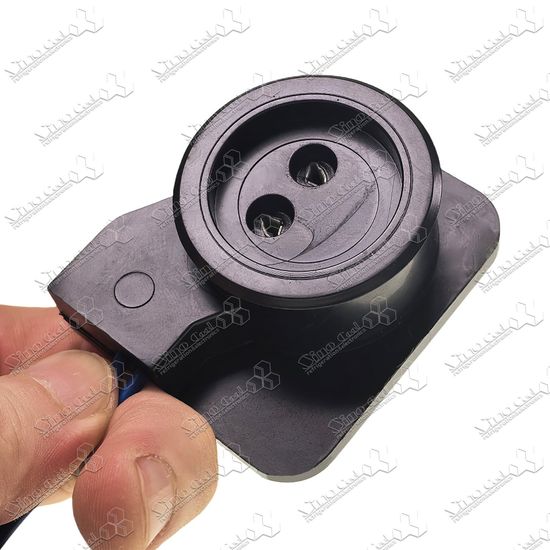
Refrigeration Compressor Compressor Freezer & Refrigerator Parts

Refrigerator Compressor Freezer & Refrigerator Parts

Best Sale AC/Fridge Compressor Scrap in Stock New R600A, 1/2HP Refrigerator Compressor

Refrigerator Parts Refrigerator Compressor

I have found results from400+products and200+suppliers aboutFridge compressor scrap


When purchasing fridge compressor scrap, the primary value lies in the copper content and the purity of the metal. Buyers should specify the copper recovery rate, which typically ranges from 18% to 25% by weight depending on the model. It is essential to verify if the units are drained of oil and refrigerants to meet safety standards. Additionally, categorize the scrap by brand or origin (e.g., domestic vs. industrial) as this affects the size of the copper windings and the overall yield.
Fridge compressor scrap is classified as hazardous waste in many jurisdictions due to residual refrigerant gases (CFCs, HCFCs, or HFCs) and compressor oil. Suppliers must provide documentation proving that the units have been degassed in accordance with environmental regulations like the Basel Convention. Ensure the supplier holds a valid Export License for Scrap Metal and complies with ISO 14001 environmental management standards to avoid legal complications during customs clearance.
To mitigate risk, request a Pre-shipment Inspection (PSI) conducted by reputable third-party agencies like SGS or CCIC. The inspection should confirm the loading weight, the absence of prohibited materials (such as heavy sludge, trash, or non-metallic debris), and the ratio of copper-core vs. aluminum-core compressors. For large-scale B2B transactions, it is highly recommended to source from Audited Suppliers on Made-in-China.com who have verified production and storage facilities.
Pricing is heavily tied to the LME (London Metal Exchange) copper prices. Buyers should negotiate based on a formula-based pricing model (LME price x Copper Yield % - Processing Cost). Be wary of prices significantly below market value, as this often indicates low-yield aluminum windings or excessive oil weight. Consider the Total Cost of Ownership (TCO), including smelting costs and slag disposal, when calculating your profit margins.
The most significant risks include weight discrepancies and quality substitution (e.g., mixing iron scrap with high-value compressor scrap). To prevent this, use secured payment terms such as Letter of Credit (L/C) or Escrow services. Always require a certified scale ticket from the port of loading and ensure the container is sealed with a high-security bolt seal, with the seal number recorded on the Bill of Lading.
Many countries have strict import quotas or bans on solid waste. Before ordering, confirm that your country’s customs allow the import of HS Code 7404.00 (Copper Scrap) or 7204.49 (Ferrous Scrap) derived from compressors. Ensure the supplier provides a Certificate of Origin and a Non-Radiation Certificate, which are often mandatory for scrap metal entry into major industrial hubs.
Focus on long-term contract stability rather than one-off spot deals. Suppliers prefer buyers who can provide consistent monthly volume. Negotiate for transparency in the loading process, such as requesting a video of the loading and weighing. On Made-in-China.com, prioritize suppliers with a high 'Trust Score' and those who have been active in the industry for over 5 years, as they are more likely to understand the nuances of international metal trade.
Compressors are heavy and dense; therefore, 20ft containers are preferred over 40ft to avoid exceeding weight limits. Ensure the scrap is loaded securely to prevent shifting during transit, which can damage the container walls. It is vital to confirm that the compressors are completely dry; any leaking oil can lead to environmental fines at the destination port and additional cleaning charges from the shipping line.