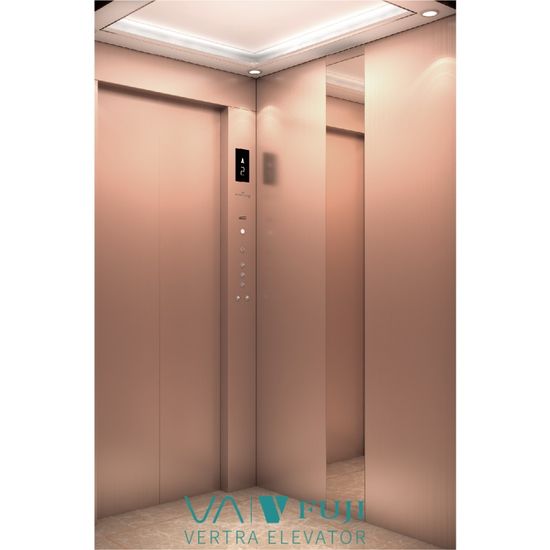
FUJI Manual Electric Luxury Design New Type Villa Lift Home Elevator

Passenger Elevator Home Lift Elevator for Shopping Mall and Office Building

High Quality Building 6 Person 300kg-630 Lifts Passenger Elevator

I have found results from3000+products and1000+suppliers aboutFujitec elevator price


The price of a Fujitec elevator is primarily determined by load capacity (kg), rated speed (m/s), and the number of floors/stops. Advanced features such as Permanent Magnet Synchronous (PMSM) gearless traction technology and Variable Voltage Variable Frequency (VVVF) inverters may increase initial costs but offer long-term energy savings. Additionally, the choice between Machine Room (MR) and Machine Room-Less (MRL) configurations impacts the price, with MRL often commanding a premium due to space-saving engineering.
For international B2B procurement, ensure the equipment complies with EN 81-20/50 (European Standards) or ASME A17.1 (North American Standards). Suppliers on Made-in-China.com should provide CE Certification, ISO 9001 Quality Management, and ISO 14001 Environmental Management documents. Specifically for Fujitec-compatible systems, verify that the Safety Gear, Overspeed Governor, and Buffer are type-tested and certified.
Standard stainless steel finishes are the baseline for pricing. Costs escalate with custom cabin interiors, such as titanium plating, etched mirrors, or wood veneers. Functional customizations like Destination Control Systems (DCS), IC card access control, and LCD multimedia displays in the car will also add to the unit price. Buyers should provide a detailed Layout Drawing to get an accurate quote that includes these specifications.
Beyond the purchase price, evaluate the Total Cost of Ownership (TCO). Fujitec systems are known for durability, but you must ensure the availability of spare parts in your region. Inquire if the control system is 'Open Protocol', which allows third-party maintenance companies to service the lift, or 'Proprietary', which may lock you into more expensive manufacturer-direct service contracts.
Elevators are complex systems; therefore, Third-Party Inspection (TPI) is mandatory. Before final payment, hire agencies like SGS or Intertek to conduct a pre-shipment inspection to verify the packing list, component integrity, and compliance certificates. Always use Secure Payment services provided by platforms like Made-in-China.com to ensure funds are only released upon proof of shipment.
Focus your negotiation on the Warranty Period (aim for at least 18–24 months) and the Spare Parts Package. Request a 'wear-and-tear' kit (e.g., rollers, buttons, sensors) to be included in the initial price. For bulk orders (3+ units), negotiate for FOB (Free On Board) terms to maintain control over international shipping costs and insurance.
Elevator components are heavy and sensitive. Ensure the supplier uses IPPC-certified seaworthy wooden crates to prevent moisture damage and rust during sea transit. Crucially, confirm that the supplier provides detailed installation manuals and remote technical support, or check if they have certified local installation partners in your country to handle the complex assembly and commissioning process.
Check your country's HS Code (typically 842810) for elevators to determine import duties. Be aware of Anti-Dumping Duties that some regions (like the EU or USA) may apply to Chinese-manufactured machinery. Request a Certificate of Origin (Form E or Form F) from the supplier to leverage potential Free Trade Agreements (FTA) that could significantly reduce or exempt you from import taxes.