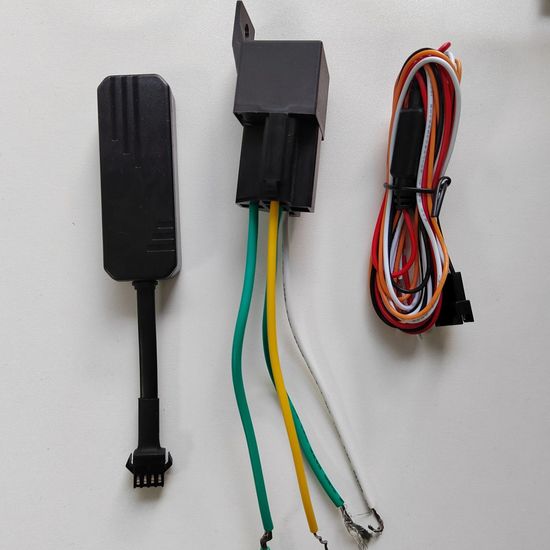
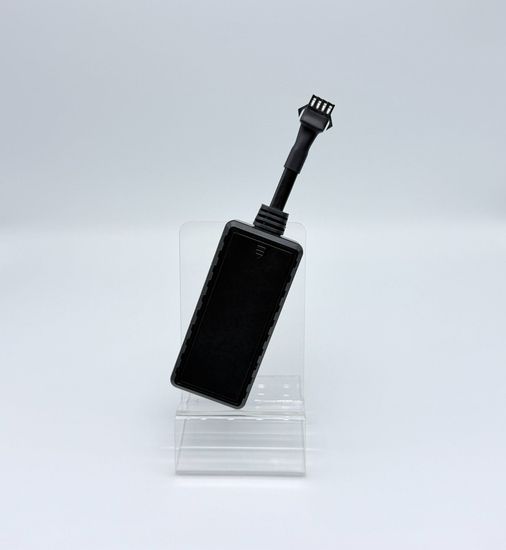
Latest 4G IP67 Waterproof Mini Real Time Electronic Intelligent GPS Tracker gadget for Pets dog cat with Geo-fence PM04

I have found results from400+products and200+suppliers aboutGadgets mini


When sourcing mini gadgets, you must prioritize battery capacity and safety (lithium-ion stability), as compact devices often face heat dissipation challenges. Ensure the chipset performance matches the intended use case to avoid lag. For electronic gadgets, verify energy efficiency ratings and standby power consumption. If the gadgets involve connectivity, confirm Bluetooth 5.0+ or Wi-Fi 6 compatibility to ensure long-term technical relevance in a fast-evolving market.
Compliance is non-negotiable for cross-border electronics. For the US market, FCC certification is required for radio frequency devices, and UL or ETL listing is preferred for battery safety. For the EU, products must carry the CE mark, comply with RoHS (Restriction of Hazardous Substances), and meet WEEE directives for electronic waste. Always request UN38.3 test reports if the gadgets contain lithium batteries to ensure they are legal for air and sea freight.
Miniature gadgets are prone to physical stress; therefore, you should check for IPX ratings (water and dust resistance) if the product is for outdoor or personal use. Request information on casing materials, such as ABS+PC fire-retardant plastics. For moving parts or buttons, ask for cycle test data (e.g., buttons rated for 50,000+ presses). A professional sourcing strategy includes requesting a Golden Sample to verify that the internal soldering and component layout meet industrial standards.
Since mini gadgets are often sold as gifts or impulse buys, retail-ready packaging (blister packs or high-quality color boxes) is essential. Ensure the supplier offers OEM/ODM services with low MOQs for logo silk-printing and custom manual translations. The packaging must include clear English instructions, batch numbers, and country-of-origin markings to pass through customs without delays.
Implement a strict Quality Control (QC) protocol by hiring a third-party inspection agency to perform an AQL (Acceptable Quality Limit) inspection before the final payment. Focus on functional testing, battery cycle checks, and drop tests. Using a secure payment method like Escrow or Trade Terms via Made-in-China.com ensures that funds are only released once the inspection report is approved.
Do not just negotiate on the unit price; negotiate on the Total Cost of Ownership (TCO). Ask for tiered pricing based on volume (e.g., 500, 1000, and 5000 units). If you are a startup, negotiate a lower MOQ for a trial order by promising a larger volume upon successful market testing. Always clarify if the price includes export packaging and domestic logistics to the port.
Mini gadgets with batteries are classified as Dangerous Goods (DG). For small batches, use specialized air couriers (like FedEx or DHL with DG battery accounts). For large volumes, Sea Freight (LCL or FCL) is most economical, but you must ensure the supplier provides a Material Safety Data Sheet (MSDS) and a Non-Dangerous Goods Declaration where applicable to avoid customs seizures.
Stay updated on Section 301 tariffs (for US buyers) and VAT/GST regulations for the EU and UK. Ensure your supplier provides a Certificate of Origin (CO) to potentially benefit from Free Trade Agreements (FTAs). Regularly check for updates on lithium battery transport regulations issued by IATA, as these change frequently and can impact shipping costs significantly.