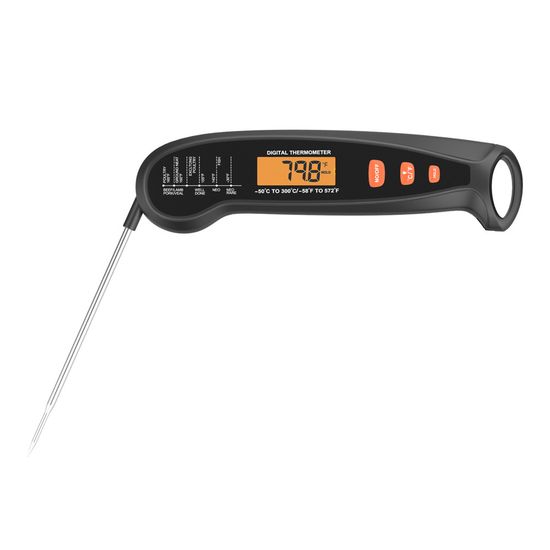
Glass Material Clinical Thermometer with ISO Standard

Factory Supply Clinical Thermometer with Top Quality

Different Size Clinical Thermometer with Glass Type

I have found results from400+products and200+suppliers aboutGlass clinical thermometer factory


Buyers must prioritize accuracy and material safety. Ensure the thermometers use Galinstan (a non-toxic liquid alloy of gallium, indium, and tin) instead of mercury, as mercury is restricted in many regions. The glass should be high-transparency borosilicate glass to ensure clear readings and thermal shock resistance. Look for a measurement range of 35°C to 42°C with a scale division of 0.1°C and a maximum permissible error of ±0.1°C.
As a medical device, compliance is non-negotiable. The factory must hold ISO 13485 (Medical devices — Quality management systems). For the European market, CE marking (MDR 2017/745) is required. For the US market, FDA registration and 510(k) clearance are essential. Additionally, ensure the product meets EN 12470-1 standards specifically for clinical thermometers.
Request a factory audit report or a video inspection of the calibration laboratory. Reliable factories use automated water bath calibration systems to ensure every unit is tested against a master thermometer. Check for shaking-down efficiency; a high-quality glass thermometer should allow the liquid column to return to the bulb easily with a few firm shakes, indicating a well-manufactured capillary tube.
These are primarily used in hospitals, clinics, and home pharmacies. For bulk sourcing, ensure the thermometers are packed in individual protective plastic cases to prevent breakage. For retail-ready orders, request customized color boxes with multi-language instructions. For clinical use, bulk hospital packs can reduce costs by up to 15-20%.
The biggest risks are physical breakage during transit and customs seizure due to non-compliance. Because glass is fragile, you must insist on 5-layer corrugated export cartons and palletized shipping to minimize handling. Furthermore, ensure the HS Code (typically 9025.11) is correctly declared to avoid delays or fines related to medical device import regulations.
Focus on Tiered Pricing based on volume; for orders exceeding 50,000 units, you can often negotiate a 5-10% discount. Ask for OEM services (branding on the glass or case) to be included in the unit price for large volumes. Always clarify the Lead Time, as medical production cycles can be affected by raw material (Galinstan) availability.
Utilize Secured Trading Services provided by Made-in-China.com to ensure your payment is only released after the supplier provides proof of shipment. For first-time orders, it is highly recommended to hire a third-party inspection agency (like SGS or Intertek) to perform a Pre-Shipment Inspection (PSI) to verify the accuracy and quantity of the thermometers before the final balance is paid.
While Galinstan thermometers are not classified as hazardous goods (unlike mercury), they are still sensitive to extreme temperatures and pressure. Choose Sea Freight for large volumes to maintain cost-efficiency, but ensure the containers are positioned away from heat sources. For Air Freight, ensure the packaging meets IATA standards for fragile instruments to prevent leakage or breakage under pressure changes.