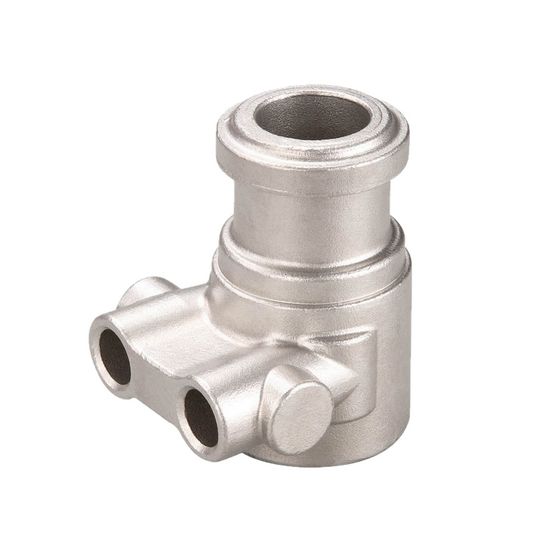
Investment Castings

Investment Casting Foundry

Wax Casting

Precision Casting Wax and Investment Design

Investment Castings 70-40

Investment Casting 316

Investment Castings 8620

Investment Casting 65-35

Investment Casting Lcc

I have found results from400+products and200+suppliers aboutInvestment cast wax


Buyers must prioritize melting point stability and ash content. For high-precision components, ensure the ash content is below 0.02% to prevent defects during the burnout process. Additionally, evaluate the linear shrinkage rate (typically between 0.5% to 1.2%) to ensure dimensional accuracy of the final metal part. Viscosity at injection temperature is also critical; it must be consistent to ensure full mold penetration without air entrapment.
Filled waxes (containing organic fillers like cross-linked polystyrene) offer superior dimensional stability and lower shrinkage, making them ideal for large or complex industrial parts. Unfilled waxes provide a smoother surface finish and are easier to reclaim, suitable for smaller, intricate jewelry or medical components. Choosing the wrong type can lead to pattern deformation or increased post-processing costs.
Suppliers should provide a comprehensive Material Safety Data Sheet (MSDS). For international trade, ensure the product complies with REACH (Registration, Evaluation, Authorisation and Restriction of Chemicals) for the EU market or TSCA for the US. If the wax is used for medical implants or food-grade machinery components, verify that the raw materials are non-toxic and biocompatible.
High-quality investment wax can often be reclaimed and reused for sprue and runner systems. When sourcing, ask the supplier about the reclamation yield and whether they provide blended wax services (mixing virgin and recycled wax). Utilizing a 70/30 virgin-to-recycled ratio can reduce material costs by 15-25% without compromising the integrity of the pattern.
The biggest risk is temperature fluctuation during transit. Wax can soften or block (stick together) if exposed to temperatures near its softening point. Always specify reefer containers (refrigerated) or thermal blankets for shipments passing through tropical zones. Ensure the packaging uses heavy-duty fiber drums or UV-resistant bags to prevent contamination and physical degradation.
Request a Certificate of Analysis (COA) for every batch. In your contract, define allowable variances for drop melting point (e.g., +/- 2°C) and penetration hardness. Use the 'Audit Report' feature on Made-in-China.com to select 'Diamond Combined' suppliers who have undergone SGS or TÜV Rheinland on-site inspections to ensure their laboratory equipment is calibrated for precise QC.
Utilize Secured Trading Services offered by Made-in-China.com to ensure payment is only released upon verification of shipping documents. For first-time large orders, hire a third-party inspector to perform a Loading Check to confirm that the wax grade and quantity match the Proforma Invoice before the container is sealed.
Be aware of Anti-Dumping Duties (ADD) that may apply to specific paraffin-based products depending on your country of import. Check the Harmonized System (HS) Code (typically under Chapter 34 or 27) against your local customs tariff schedule. Establishing a long-term supply agreement can help hedge against price volatility in the crude oil market, which directly impacts wax pricing.