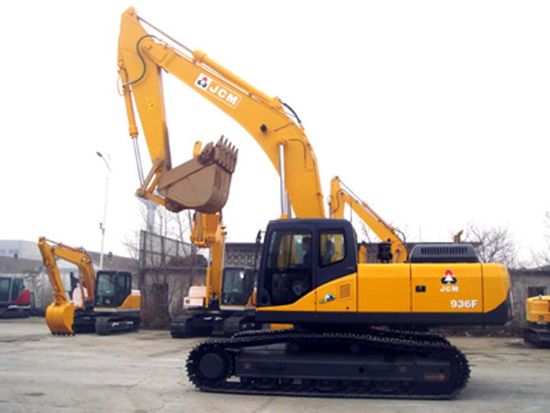
Jcm Mc27 Mini Crawler Excavator 2.7ton Small Digger used Kubota Engine

PC70 Mini Hydraulic Crawler Excavator 7 Ton Small Digger Construction Machinery Used

PC60 Mini Hydraulic Crawler Excavator 6 Ton Small Digger Construction Machinery Used

I have found results from400+products and200+suppliers aboutJcm excavator


Selecting the ideal Jcm excavator requires matching the operating weight and bucket capacity to your specific application. For urban construction or landscaping, mini excavators (1-6 tons) are preferred for their maneuverability. For heavy-duty mining or large-scale earthworks, large excavators (30+ tons) provide the necessary breakout force. Always verify the maximum digging depth and reach to ensure the machine meets your site requirements.
Prioritize units equipped with reputable engine brands like Cummins, Isuzu, or Yanmar, which offer global parts availability. Ensure the engine meets local emission standards, such as EPA Tier 4 Final (USA) or Euro Stage V (EU). Additionally, check the hydraulic system pressure and flow rate, as high-quality hydraulic pumps (e.g., Kawasaki or Rexroth) significantly impact the machine's cycle time and fuel efficiency.
To ensure legal operation and customs clearance, the excavator must have a CE Marking for the European market or ISO 9001 certification for general quality management. Safety features such as ROPS (Roll-Over Protective Structure) and FOPS (Falling Object Protective Structure) are non-negotiable for operator protection. Request the Certificate of Origin and Technical Data Sheets to confirm compliance with regional safety laws.
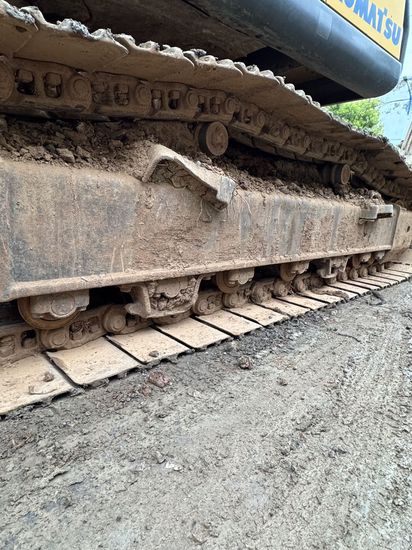
Focus on the undercarriage components, including the thickness of the track shoes and the quality of the rollers. Inspect the welding quality on the boom and arm; reinforced stress points indicate a longer service life. Ask the supplier for ultrasonic flaw detection reports on critical structural parts and verify if the bucket is made of wear-resistant steel (e.g., Hardox).
The biggest risks include shipping damage and non-compliance with local emissions. To mitigate these, use professional third-party inspection services (like SGS or Intertek) to conduct a pre-shipment inspection. Ensure the contract includes a warranty clause that covers major components (engine, pump, valve) for at least 12 months or 2,000 working hours.
Heavy machinery is typically shipped via Ro-Ro (Roll-on/Roll-off) or Flat Rack containers. Ro-Ro is generally safer for the machine's structure as it avoids lifting. For cost-saving, some buyers choose Bulk Cargo, but this requires strict anti-rust coating (waxing) to prevent sea salt corrosion during transit. Always confirm the Incoterms; CIF (Cost, Insurance, and Freight) is recommended for buyers who want the supplier to handle the complexities of maritime insurance.
Negotiate based on Total Cost of Ownership (TCO) rather than just the sticker price. Request a spare parts package (filters, seals, sensors) to be included in the initial purchase price, which can save thousands in maintenance. If purchasing multiple units, leverage volume discounts and ask for customized branding (OEM) or specific hydraulic attachments (breakers, augers) to be bundled at a discounted rate.
Conduct your sourcing through reputable platforms like Made-in-China.com, utilizing their Audit Reports to verify the supplier's factory scale and export history. Use secure payment methods such as Letters of Credit (L/C) for large transactions or Escrow services to ensure funds are only released upon successful delivery and inspection of the machinery.