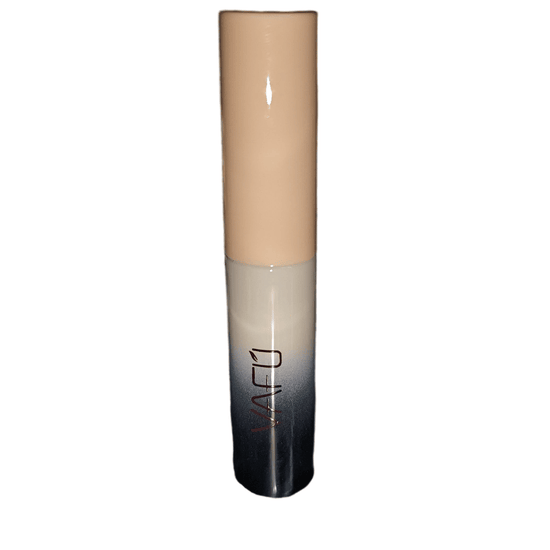
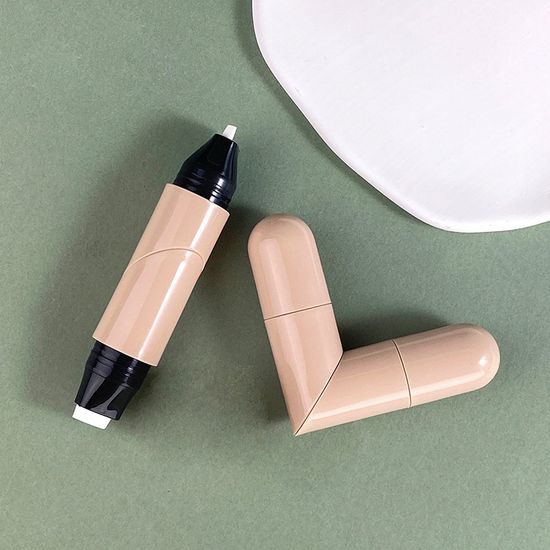
Black Kajal Eyeliner Pencil Vegan Waterproof Long Lasting Creamy Smooth Eyeliner

Quick-Dry Forming Waterproof Smudge-Proof Eyeliner

Gel Sharpenable Multi-Purpose Eyeliner, Transfer-Resistant High-Performance Eyeliner

I have found results from400+products and200+suppliers aboutKajal eyeliner


When sourcing Kajal, prioritize lead-free and paraben-free formulas. Traditional kajal often contained galena (lead sulfide), which is strictly prohibited in modern cosmetics. Ensure the product complies with FDA (US), Regulation (EC) No 1223/2009 (EU), or GMPC standards. Look for ingredients like natural carbon black, organic waxes (carnauba or beeswax), and soothing agents like Vitamin E or Almond Oil to ensure the product is safe for the sensitive inner rim of the eye.
Key performance metrics include smudge-proof capability, water resistance, and pigment density. A high-quality Kajal should offer a 'one-stroke' intense black payoff. Request technical data sheets (TDS) specifying the melting point (to ensure stability in warmer climates) and microbiological test reports to confirm the absence of harmful bacteria like Pseudomonas aeruginosa.
Kajal typically comes in three formats: traditional cones, retractable pencils, and wooden sharpenable pencils. For high-volume retail, retractable pencils with built-in sharpeners are currently the most popular due to convenience. Ensure the primary packaging is air-tight to prevent the formula from drying out, and verify that the outer packaging includes clear ingredient labeling and expiration dates (PAO - Period After Opening).
Yes, you must verify that the manufacturer holds an ISO 22716 (Good Manufacturing Practices for Cosmetics) certification. For specific markets, you may need Halal or Vegan certifications, which are significant selling points for Kajal. Additionally, a Material Safety Data Sheet (MSDS) is mandatory for international shipping to classify the product's chemical safety during transport.
The primary risk is customs seizure due to non-compliant labeling or prohibited ingredients. Always request a Certificate of Analysis (COA) for every batch. Another risk is product degradation during transit; cosmetics are sensitive to extreme temperatures. Use temperature-controlled shipping or avoid long-duration sea freight during peak summer months to prevent the wax from melting or separating.
Focus on tiered pricing based on volume and request OEM/ODM customization (private labeling) costs upfront. Ask for a sample consolidation service where the supplier sends multiple formula variations before you commit to a large MOQ. Negotiate for lower MOQs on initial trial orders (e.g., 500-1000 units) to test market response before scaling to 5,000+ units.
Utilize Secured Trading Services provided by platforms like Made-in-China.com to ensure your payment is only released after you confirm receipt of goods. For large orders, hire a third-party inspection agency (like SGS or Intertek) to conduct a pre-shipment inspection (PSI) to verify that the pigment quality and packaging match the approved samples.
Cosmetic pencils are relatively heavy but compact, making air freight cost-effective for medium-sized orders. Ensure the supplier provides proper cushioning to prevent the internal leads from breaking during handling. For US/EU markets, ensure the Importer of Record (IOR) is prepared for potential FDA or customs queries regarding the 'color additives' used in the eyeliner.