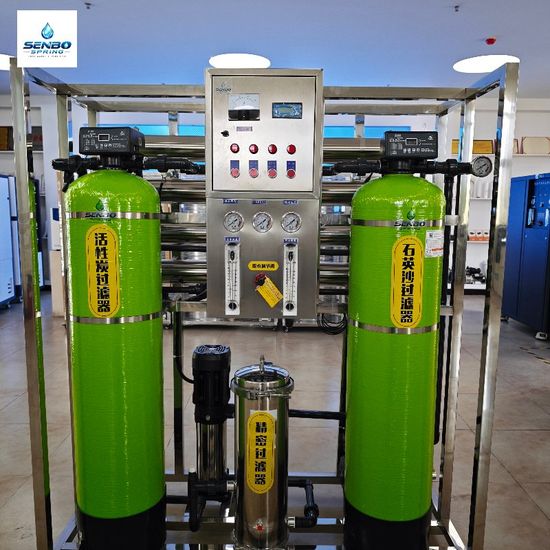
Kent 75 Gallon Reverse Osmosis Water Purifier

Compact RO Water Purifier with Inner Tank

Counter Top RO Water Purifier Reverse Osmosis

Instant Hot Water with 6 Type Temperature Water Pitcher Water Purifier

I have found results from4000+products and1000+suppliers aboutKent water purifiers suppliers


When sourcing high-quality water purifiers, you must prioritize RO (Reverse Osmosis) + UV (Ultra Violet) + UF (Ultra Filtration) + TDS Controller multi-stage purification technologies. Ensure the RO membrane is sourced from reputable brands (like DOW or Toray) to guarantee a high desalination rate of over 95%. Additionally, verify that the storage tank capacity (typically 7-12 liters) and the purification production rate (e.g., 15-20 L/hr) meet your target market's household or commercial needs.
To ensure product safety and market entry, suppliers must provide NSF/ANSI 58 certification for RO systems and WQA (Water Quality Association) Gold Seal approvals. For electrical safety, look for CE, RoHS, or UL certifications. If you are importing into specific regions, ensure the plastic components are BPA-free and Food Grade (FDA compliant) to prevent chemical leaching into the purified water.
A genuine TDS (Total Dissolved Solids) controller allows the user to retain essential natural minerals in the water which are often lost during the RO process. You should request a technical circuit diagram and a video demonstration showing the adjustment of output water TDS levels. High-end models should also feature a Mineral RO technology that maintains a balanced pH level between 7.0 and 8.5.
Water purifiers require regular filter replacements. Ensure your supplier provides a stable supply of consumables (Sediment filters, Carbon blocks, and RO membranes). Professional suppliers should offer a 1% to 2% spare parts allowance (such as pumps, sensors, and adapters) with bulk orders and provide detailed installation manuals or video tutorials for your local technical team.
The biggest risks include water leakage due to poor fitting quality and damage to the RO membrane during transit. To mitigate this, require the supplier to use high-pressure testing (at least 100 PSI) on all units before packing. Ensure the use of reinforced 5-layer corrugated packaging with internal foam molding to protect the delicate internal sensors and glass/plastic components.
Focus on the Total Cost of Ownership (TCO) rather than just the unit price. Negotiate for tiered pricing where the unit cost drops by 10-15% for full container loads (FCL). For initial orders, seek a lower MOQ (e.g., 50-100 units) to test market response, but insist that the supplier maintains the same component quality as their premium export models.
Always utilize Secure Payment services provided by Made-in-China.com to ensure your funds are protected until the goods are shipped. For large contracts, use Letter of Credit (L/C) or a 30% deposit / 70% balance against Bill of Lading (B/L) arrangement. Additionally, hire a third-party inspection agency (like SGS or Intertek) to conduct a Pre-Shipment Inspection (PSI) to verify quantity and quality.
Since water purifiers contain electrical pumps and UV lamps, they must be declared as electronic appliances. Ensure the supplier provides the correct HS Code (typically 842121) to avoid customs delays. For shipping, Sea Freight is the most economical for bulk orders, but ensure the containers are kept away from high-heat areas on the vessel to prevent the degradation of plastic seals and O-rings.