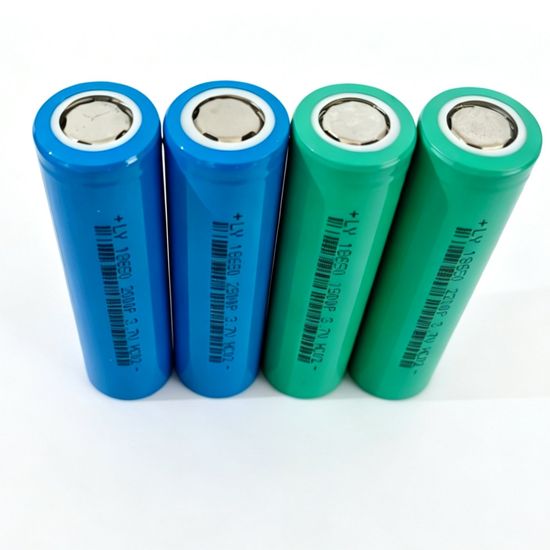
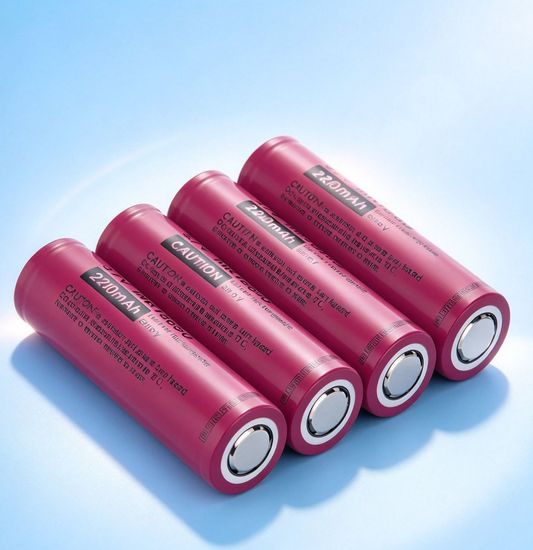
LG 18650 3.7V Inr18650 Hj2 Mh1 2900mAh 3200mAh Lithium Ion Battery Cells

Premium Grade a 18650 Cell - 3.7V 3500mAh LG Mj1 Lithium Battery

Rechargeable Electric Bike Scooter Li Ion Battery Grade a LG 18650 Mj1 3500mAh 10A

I have found results from400+products and200+suppliers aboutLg 18650 cell price


Authenticity is the primary factor affecting price. You must check the QR code and batch tracking numbers laser-etched on the cell canister. Genuine LG cells (like the HG2 or MJ1) feature consistent PVC heat-shrink wrap colors and precise top-cap designs. Always request a Certificate of Analysis (CoA) and a Product Specification Sheet from the supplier to ensure the internal resistance and capacity match LG's official factory benchmarks.
The price is heavily influenced by Discharge Current (C-rating) and Energy Capacity (mAh). High-drain cells (e.g., 20A-30A for power tools) are generally more expensive than high-capacity, low-drain cells (e.g., 3500mAh for flashlights). Ensure the Internal Resistance (IR) is within the factory range (typically <20mΩ for high-drain); cells with higher IR are often 'Grade B' or 'Grade C' stock and should be priced significantly lower.
For cross-border trade, the most critical document is the UN38.3 Test Report, which is required for air and sea transport. Additionally, ensure the supplier provides UL1642 certification (for cell safety) and IEC 62133 compliance. If you are importing to the EU, RoHS and REACH certificates are mandatory to prove the absence of hazardous substances.
Grade A cells are 100% compliant with factory specs and offer the longest cycle life, commanding a premium price. Grade B cells may have slight cosmetic defects or minor capacity deviations and are sold at a 20-40% discount. For critical applications like EV battery packs or medical devices, only source Grade A. For low-cost consumer electronics, Grade B may be economically feasible if the supplier provides transparent testing data.
Lithium batteries are classified as Class 9 Dangerous Goods. The biggest risk is customs seizure or shipping rejection due to improper packaging or lack of documentation. Ensure the supplier uses UN-certified dangerous goods packaging with proper labeling (Cargo Aircraft Only labels if applicable). Using a freight forwarder experienced in 'DG' (Dangerous Goods) on Made-in-China.com can mitigate the risk of transit delays.
Pricing in the battery market is volatile due to lithium carbonate raw material costs. Negotiate based on volume tiers (e.g., 1k, 5k, 10k units) and ask for a validity period for the quote (usually 7-14 days). To secure better terms, offer a staggered delivery schedule which allows the supplier to manage inventory while giving you a bulk-purchase discount.
Avoid deals that are significantly below the market average, as these are often re-wrapped generic cells or 'pulled' cells from old laptop packs. Use Trade Assurance services on Made-in-China.com to protect your payment. Always stipulate in the contract that payment release is contingent upon a third-party inspection (like SGS or Intertek) verifying the cells' capacity and internal resistance.
Request that cells be shipped at a 30% State of Charge (SoC), which is the international safety standard for transport. Upon arrival, store them in a temperature-controlled environment (15°C - 25°C). Ensure your warehouse complies with local fire safety regulations for lithium battery storage, including specialized extinguishing agents, as standard water sprinklers are ineffective for lithium fires.