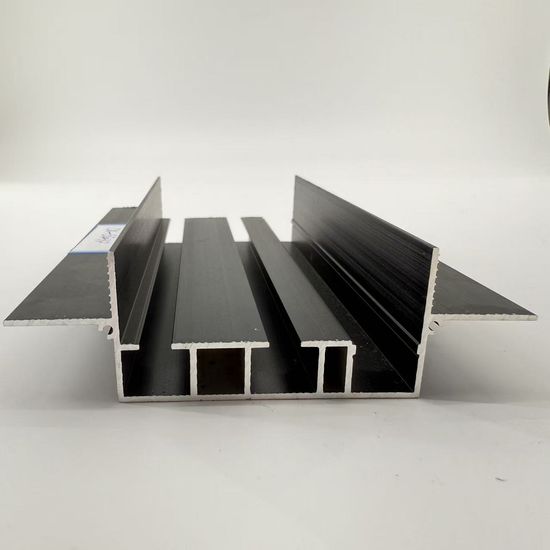
80mm Indoor Fabric Light Box Profile OEM Custom Aluminum Profiles

Indoor Wall-Mounted 6063-T5 for Light Box Side-Emitting LED Fabric Frame Extrusion Aluminum Profiles in China

Advertising Boxes Frame for Fabric Light Box 3m Length Aluminum Profiles

I have found results from8000+products and2000+suppliers aboutLight box profile


The most critical material is 6063-T5 Aluminum Alloy, known for its excellent extrusion properties and surface finish. Ensure the wall thickness is at least 1.2mm to 2.0mm for structural stability, especially for large-scale outdoor signage. For the surface treatment, anodized silver or powder coating is recommended to prevent oxidation and ensure long-term durability in various weather conditions.
You must verify the internal depth of the profile to ensure it allows for proper light diffusion and heat dissipation. A depth of 60mm to 120mm is standard for fabric light boxes to avoid 'hot spots' (visible LED dots). Additionally, check if the profile includes a dedicated groove for LED strips and sufficient space for internal power transformers to maintain a clean, professional look.
For the European market, ensure the aluminum and components meet CE and RoHS certifications. If the light box is for the US market, UL or ETL listing for the electrical assembly is mandatory. Furthermore, for textile-based light boxes (SEG), the silicone gasket and fabric should meet B1 or M1 flame retardancy standards to comply with fire safety regulations in public spaces.
Buyers should choose based on the application: Snap Frames are ideal for quick poster changes in retail; Fabric (SEG) Profiles offer a frameless, high-end aesthetic for exhibitions; and Magnetic Light Box Profiles are best for menu boards. For double-sided displays, ensure the profile is designed with a symmetrical internal structure to support two light-guiding plates (LGP) or fabric faces.
Aluminum profiles are prone to bending and scratching. Insist on EPE foam wrapping for each individual profile and the use of reinforced wooden crates or hard paper tubes for outer packaging. For LCL (Less than Container Load) shipments, palletization is essential to prevent mishandling by forklift operators at transit hubs.
Request a breakdown of the price per ton versus the fabrication cost. Professional suppliers should be transparent about the aluminum ingot price index. To ensure quality, request a pre-shipment inspection (PSI) or a video factory audit. For bulk orders exceeding 500 sets, aim for a 10-15% volume discount and negotiate for free spare parts like corner connectors and screws.
Profiles often exceed 2.4 meters or 5.8 meters, which can trigger 'oversize' surcharges in air freight or express courier services. For cost-efficiency, sea freight (FCL) is the most economical method. If using 20GP containers, ensure the profile lengths are cut to 5.8 meters or less to fit perfectly. Always clarify the Incoterms, as FOB (Free On Board) is generally preferred for buyers who have their own freight forwarders to manage local customs.
Utilize the Secured Trading services on Made-in-China.com to protect your payment until delivery is confirmed. Avoid making full payments upfront; a standard 30% deposit and 70% balance against the Bill of Lading (B/L) copy is the industry norm. Always verify the supplier's Business License and Export Qualification through the platform's audited supplier reports.